
The Science of Kobujime: Curing Fish in Kelp for Concentrated Umami
Unlock the Japanese technique of Kobujime. Learn the kitchen science behind curing fish in kombu to elevate texture and concentrate savory umami flavors.
Lily Nakamura
Recipe Editor
August 11, 2026
6 min read
4 views
Preparing raw fish at home can sometimes feel like a missed opportunity. Even with access to high-quality seafood, home cooks often find that home-sliced sashimi lacks the firm texture and deep, complex flavor profile experienced at high-end sushi bars. The difference rarely comes down to sourcing alone. Instead, it lies in traditional Japanese preservation and preparation techniques designed to enhance raw ingredients. One of the most effective and scientifically elegant of these techniques is Kobujime—the process of curing fish between sheets of kombu (kelp).
Historically developed as a preservation method in the Toyama prefecture during the Edo period, Kobujime has evolved into a highly respected culinary technique. By understanding the chemical and physical processes at play during this cure, you can transform ordinary fillets of fish into delicate, umami-rich delicacies with a luxurious, velvety texture.
The Dual Science of Kobujime: Osmosis and Synergistic Umami
To understand why Kobujime works so effectively, we must look at two fundamental scientific principles: osmosis and chemical synergy.
First, we look at moisture control through osmosis. When fresh fish is placed in direct contact with dried or slightly rehydrated kombu, a moisture gradient is created. The water concentration inside the fish cells is much higher than that of the relatively dry kelp. Through osmosis, water is drawn out of the fish and absorbed by the kombu. This reduction in water content does two things: it concentrates the natural flavors of the fish, and it firms up the muscle fibers, changing a soft, watery texture into something dense, clean, and satisfyingly toothsome.
What is Kombu?
Kombu is a type of edible kelp widely used in East Asian cuisines to form the base of dashi broth. It is exceptionally rich in glutamic acid, an amino acid responsible for the savory taste known as umami.
Second, we experience the migration of umami. As the kombu draws moisture out of the fish, it simultaneously transfers its own concentrated glutamic acid into the fish's flesh. Fish naturally contains high levels of inosinic acid, another organic compound. When glutamic acid (from the kombu) meets inosinic acid (in the fish), a chemical synergy occurs. This combination amplifies the perception of umami on our taste buds exponentially—making the cured fish taste significantly more savory than if you had simply seasoned it with salt.
“Kobujime is not merely a preservation method; it is an active dialogue between land and sea, where moisture is traded for pure flavor.”
Chef Kenji TakahashiChoosing the Right Fish
While you can technically cure almost any fish using this method, delicate white-fleshed fish (known as shiromi in Japanese sushi culture) are the traditional favorites. Their mild flavor profiles act as a clean canvas, readily absorbing the subtle sea-savory notes of the kelp without being overpowered.
Excellent choices for home cooks include:
- Fluke or Flounder
- Halibut
- Sea Bream or Snapper
- Sea Bass
If you want to experiment beyond traditional boundaries, clean-tasting fatty fish like salmon or even sea scallops respond beautifully to shorter curing times.
Fish Selection
Always purchase sashimi-grade fish from a reputable fishmonger when planning to consume it raw or lightly cured. Let your fishmonger know your intentions so they can guide you to the freshest catch.
Step-by-Step Guide to Kobujime
Performing Kobujime at home is incredibly simple and requires very little active time. You will need high-quality kombu sheets, sake (Japanese rice wine), sea salt, and your fish fillets.
Avoid Tap Water
Never wash your kombu with tap water to clean it. The white powdery substance on the surface is mannitol, a naturally occurring sugar that contributes significantly to its sweet-savory flavor profile. Simply wipe it gently with a paper towel dampened with sake.
Prepare the Kombu
Lightly moisten two sheets of kombu with sake using a damp paper towel. This softens the kelp slightly, making it pliable, and helps activate the surface glutamates so they can easily transfer to the fish.
Salt the Fish
Lightly sprinkle high-quality sea salt over your fish fillets. Let them sit at room temperature for 10 to 15 minutes. This initiates the moisture-drawing process and seasons the fish from within. Gently pat away any surface moisture with a paper towel before proceeding.
Assemble the Sandwich
Lay one sheet of prepared kombu flat on a piece of plastic wrap. Place your fish fillets on top in a single, even layer. Place the second sheet of kombu directly on top of the fish, sandwiching the fillets completely between the kelp.
Wrap and Press
Wrap the kombu-fish sandwich tightly in the plastic wrap to ensure maximum surface contact between the kelp and the fish. Place the package on a small tray in the refrigerator, and place a light weight (like a small plate or a food container) on top to encourage even curing.
Curing Times and What to Expect
The duration of the cure depends on the thickness of the fish and your personal taste preferences.
- Light Cure (2 to 4 hours): Best for thin fillets of delicate fish like fluke. The texture becomes slightly firmer, and a subtle hint of kombu flavor is introduced.
- Medium Cure (6 to 12 hours): Ideal for thicker fillets like snapper or halibut. This produces a noticeably firmer texture with a balanced, deep umami flavor.
- Deep Cure (24 hours): The fish will become quite firm, taking on a slightly translucent, golden hue from the kelp. The flavor will be deeply savory with distinct maritime notes.
Be careful not to over-cure; leaving delicate fish in kombu for over 24 hours can draw out too much moisture, rendering the texture rubbery and the flavor overwhelmingly seaweed-forward.
Serving Your Kobujime
Once the cure is complete, unwrap the sandwich and discard the kombu (or save it to flavor a future seafood stock). Use a very sharp knife to slice the fish thinly against the grain, holding the blade at a 45-degree angle to create elegant sashimi slices.
Because the fish is already beautifully seasoned with salt and infused with umami, it requires very little accompaniment. Serve it simply with a tiny touch of fresh wasabi or a delicate drop of light soy sauce to allow the concentrated, clean flavors of the fish and kelp to shine through.
Try This Recipe
Now that you've learned about the science of kobujime: curing fish in kelp for concentrated umami and texture, put your knowledge into practice with this recipe:
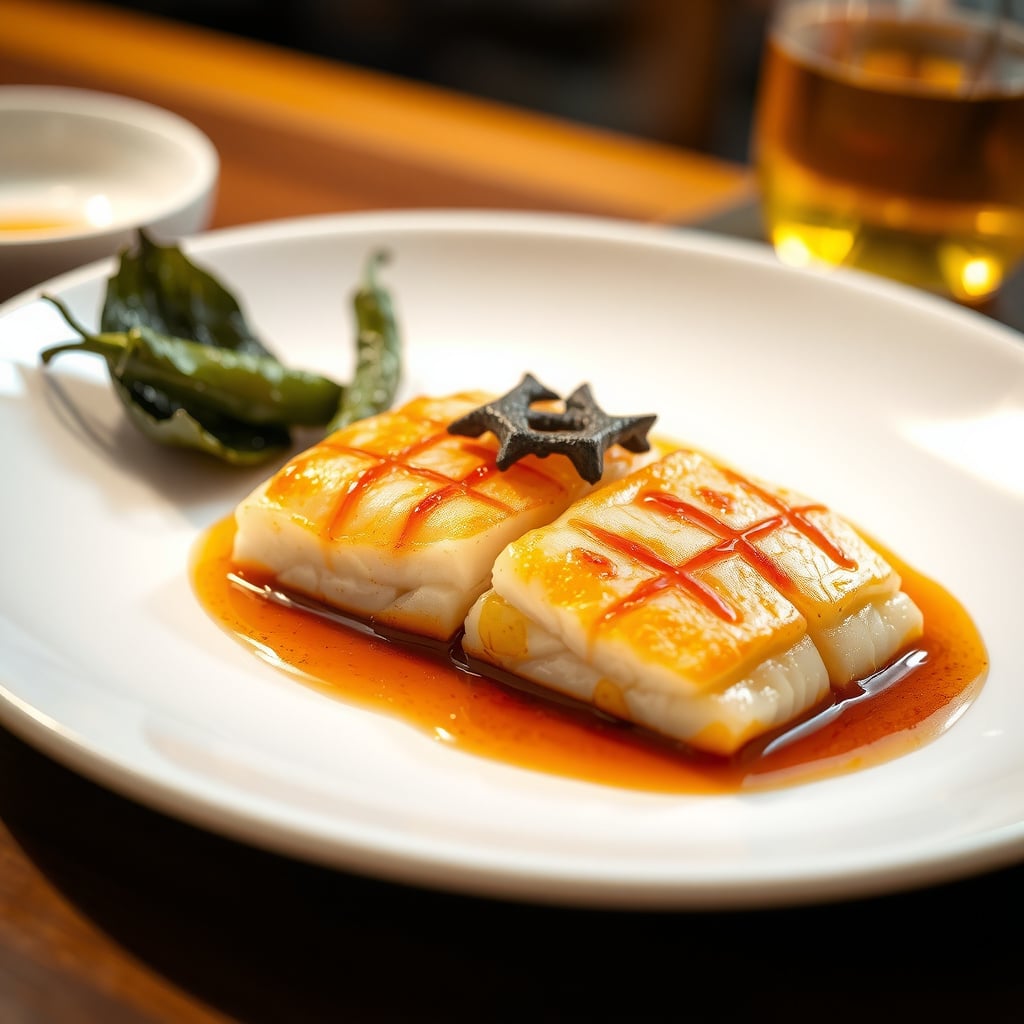
Kelp-Cured Halibut (Kobujime) with Yuzu-Ponzu and Blistered Shishitos
150min
4
View Full Recipe →
Ready to simplify your meal planning?
Let OttoChef AI create personalized meal plans for your family — free to use, no credit card.