
Rice and Grains: The Budget Cook's Secret to Satisfying Meals
Learn how rice, quinoa, farro, and other grains can transform your budget cooking. Practical techniques for stretching ingredients economically.
Sofia Rossi
Kitchen Editor
June 1, 2026
7 min read
A pound of rice costs roughly two dollars and feeds a family for days. A bag of lentils sits in your pantry for months without spoiling. These aren't just cheap ingredients—they're the foundation of how billions of people worldwide create satisfying, nutritious meals on minimal budgets.
Yet many home cooks treat grains as boring side dishes rather than the meal-stretching powerhouses they truly are. Understanding how to work with rice, quinoa, farro, bulgur, and other grains transforms your approach to budget cooking. These ingredients absorb flavors beautifully, provide satisfying texture, and turn small amounts of protein or vegetables into complete meals.
Understanding the Economics of Grains
Grains offer unmatched value per serving. While a pound of chicken breast might yield four servings at $3-4 per pound, a pound of rice produces twelve to sixteen servings for under $2. The math becomes even more compelling when you consider shelf stability—grains stored properly last months or years, eliminating waste from spoilage.
Calculate Your Cost Per Serving
Divide the package price by the number of servings to understand true value. Rice typically costs 10-15 cents per serving, while quinoa runs 40-50 cents. Even "expensive" grains remain cheaper than most proteins.
The key insight for budget cooking: grains don't just stretch meals by adding bulk. They create the structure that allows you to use smaller amounts of more expensive ingredients effectively. Three ounces of ground meat becomes a satisfying meal for four when combined with rice, vegetables, and bold seasonings.
Cooking Techniques That Maximize Flavor
Budget cooking demands extracting maximum flavor from minimal ingredients. Grains excel at this when you apply the right techniques.
Toast Before Cooking
Heat dry grains in your pot for 2-3 minutes before adding liquid. This develops nutty, complex flavors that make even plain rice taste more interesting. Listen for a subtle popping sound and watch for slight color change.
Cook in Flavorful Liquids
Replace water with vegetable scraps broth, diluted tomato paste, or even the liquid from canned beans. Every grain of rice absorbs the cooking liquid, multiplying your flavor investment.
Layer Aromatics
Sauté onions, garlic, or spices in your pot before adding grains. These foundational flavors infuse throughout cooking, creating depth without expensive ingredients.
The pilaf method exemplifies efficient flavor building. By sautéing aromatics, toasting grains, then simmering in seasoned liquid, you create restaurant-quality results from pantry staples. This technique works across cultures—from Mexican rice to Middle Eastern pilaf to Asian fried rice.
"The difference between boring rice and restaurant-quality rice isn't expensive ingredients. It's technique."
Chef J. Kenji López-AltStrategic Grain Selection
Different grains serve different budget purposes. Rice remains the most economical option, but understanding the full spectrum helps you cook strategically.
Long-grain white rice cooks quickly and stays fluffy—ideal for stretching stir-fries or serving under saucy dishes. Short-grain rice creates creamy textures perfect for rice bowls or congee, where you intentionally cook grains until they break down into satisfying porridge.
Brown rice costs only slightly more but provides substantially more nutrition and satiety. The fiber content means people feel fuller on smaller portions. Bulgur wheat cooks in just 10 minutes by simply soaking in hot water—reducing energy costs while delivering nutty flavor.
The Broken Rice Advantage
Asian markets often sell "broken rice" at significant discounts. These fractured grains cook faster and work beautifully in fried rice, congee, or any dish where individual grain integrity doesn't matter. Same nutrition, lower price.
Farro, barley, and wheat berries seem expensive per pound, but their chewy texture and robust flavor mean you need less to feel satisfied. Mix them with cheaper rice to add interest without breaking your budget.
Meal-Stretching Applications
The real budget power of grains emerges when you understand their meal-stretching applications beyond simple side dishes.
Grain bowls turn two ounces of protein and a handful of vegetables into a complete meal. The grain provides bulk and satisfaction while vegetables and protein deliver flavor and nutrition. Build your own formula: grain base + protein + vegetables + sauce + texture element (nuts, seeds, crispy onions).
Fried rice transforms leftovers into new meals. Day-old rice actually works better than fresh because dried grains separate easily and don't turn mushy. Combine with egg (cheap protein), whatever vegetables need using, and soy sauce or fish sauce for umami depth.
The Mushy Rice Trap
Never add piping hot rice to stir-fries or fried rice. The residual steam creates gummy, clumpy results. Spread cooked rice on a plate to cool, or better yet, refrigerate overnight. Cold, dry rice separates beautifully and develops the characteristic texture of great fried rice.
Grain salads stretch expensive ingredients like fresh herbs, cheese, or nuts. Farro or quinoa mixed with lemon juice, olive oil, and small amounts of flavorful add-ins creates satisfying lunches that improve over several days.
Porridges and congee represent the ultimate budget meal. Rice or oats cooked with extra liquid until creamy become canvases for minimal toppings. Asian congee traditionally uses small amounts of meat or preserved ingredients to flavor large quantities of rice porridge—brilliant budget cooking perfected over centuries.
Storage and Preparation Strategy
Budget cooking requires thinking ahead. Batch cooking grains saves time and energy costs while ensuring you always have meal foundations ready.
Cook large quantities of rice or grains on weekends. Spread on sheet pans to cool quickly, then portion into containers. Refrigerated cooked grains last 4-5 days; frozen portions keep for months. This preparation eliminates the temptation to order takeout when you're tired—you already have the foundation for quick meals.
The Freezer Portion Method
Freeze cooked grains in 2-cup portions using zip-top bags pressed flat. They stack efficiently, thaw quickly, and represent exactly the amount needed for most recipes. Label with the grain type and cooking date.
Store dry grains in airtight containers to prevent pantry pests and preserve freshness. Buy larger quantities when sales appear—the per-pound savings add up significantly over time, and properly stored grains maintain quality for years.
Building Flavor Without Cost
The final budget cooking lesson: building flavor doesn't require expensive ingredients. It requires technique and understanding.
Save vegetable scraps (onion skins, carrot peels, celery leaves, herb stems) in a freezer bag. When full, simmer with water to create free stock for cooking grains. The resulting liquid costs nothing but transforms plain rice into something far more interesting.
Use the pasta water principle with grains. The starchy cooking liquid from beans or pasta adds body and flavor to grain dishes. Reserve it rather than pouring it down the drain.
Toast spices before adding to grain dishes. Thirty seconds in a dry pan awakens dormant flavors in cumin, coriander, or mustard seeds—creating impact from pantry staples that cost pennies per use.
The Acid Brightening Trick
A squeeze of lemon juice or splash of vinegar added after cooking makes budget grains taste more complex and restaurant-quality. Acid brightens flavors and tricks your palate into perceiving more depth than actually exists.
Making It Work
Budget cooking with grains isn't about deprivation—it's about understanding how professional kitchens have always worked. Restaurants build profitable menus by featuring grains prominently, using expensive proteins as accents rather than centerpieces, and applying techniques that maximize flavor from affordable ingredients.
You can apply these same principles at home. Start with one technique: toast your rice before cooking this week. Notice how that simple step changes your perception of a "cheap" ingredient. Next week, cook a large batch of grains for the freezer. The following week, experiment with cooking grains in vegetable broth instead of water.
Each technique compounds with the others. Within a month, you'll have transformed how you approach budget cooking—not through sacrifice, but through skill. The ingredients were always affordable. Now you know how to make them delicious.
Try This Recipe
Now that you've learned about rice and grains: stretching meals economically, put your knowledge into practice with this recipe:
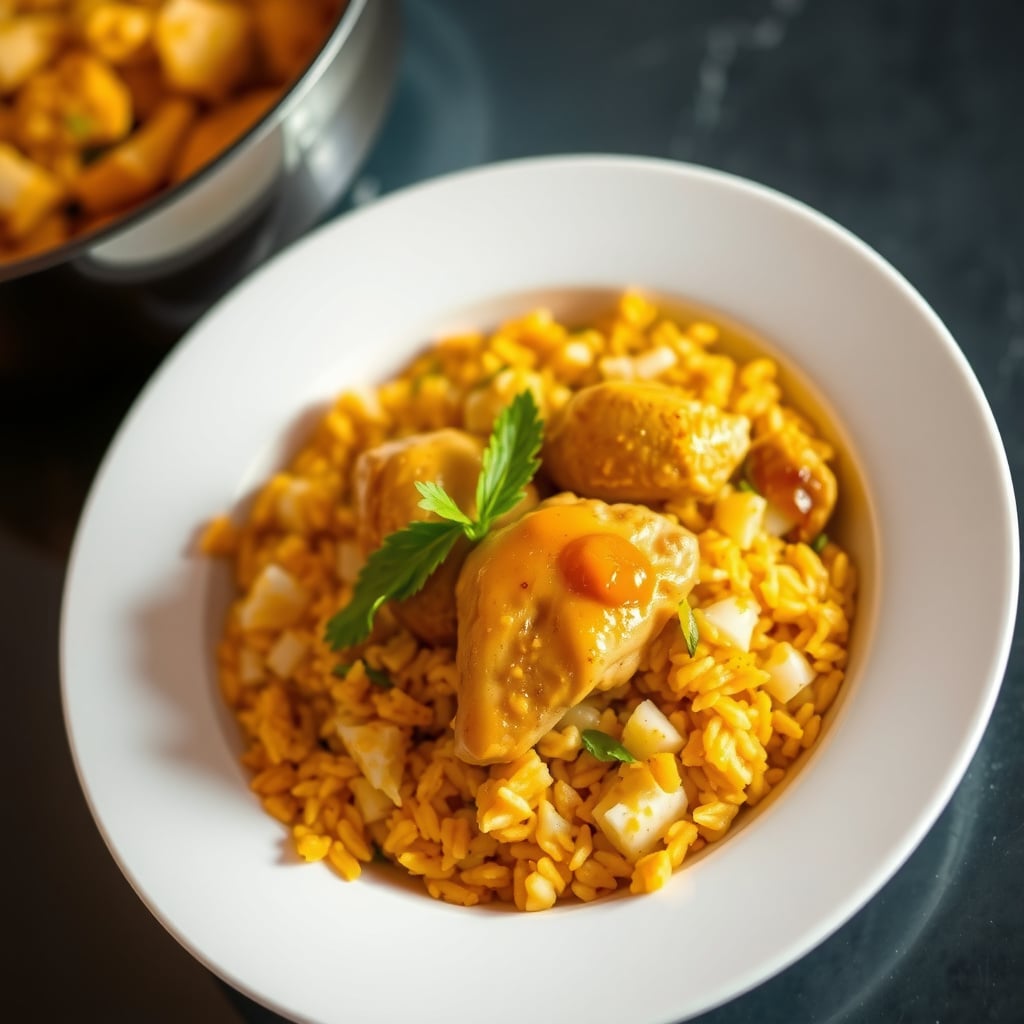
One-Pot Savory Turmeric Chicken & Rice Pilaf
50min
4
View Full Recipe →
Ready to simplify your meal planning?
Let OttoChef AI create personalized meal plans for your family in seconds.