
Mastering Seasonal Cooking: Eat Better While Spending Less
Learn how seasonal cooking reduces grocery bills and improves food flavor. Discover techniques for identifying peak produce and preserving the harvest.
James Okonkwo
Food Writer
May 17, 2026
5 min read
4 views
Walking through the produce aisle in the middle of winter can be a frustrating experience for the budget-conscious cook. You see lackluster tomatoes shipped from thousands of miles away, priced at a premium, yet tasting like watery cardboard. We have become so accustomed to year-round availability that we often forget the natural rhythm of the harvest. However, returning to a seasonal approach to cooking is one of the most effective ways to elevate your culinary results while significantly lowering your monthly food expenses.\n\nWhen you buy produce in its natural season, you are participating in the basic economic principle of supply and demand. During a crop's peak, the abundance of supply drives prices down. Farmers and grocers need to move high volumes of perishable goods quickly, leading to the deep discounts you see on corn in August or squash in October. Beyond the cost savings, seasonal produce is harvested at its nutritional and flavor peak. Most out-of-season produce is picked early to survive long-distance transport, preventing the full development of natural sugars and complex aromatic compounds.\n\n
The Nutrient Gap
Produce harvested at peak ripeness often contains higher levels of vitamins and antioxidants compared to items picked early for long-distance transport. For example, spinach can lose up to half of its folate content within eight days of being harvested if it spends that time in transit and on shelves.
\n\nTo master seasonal cooking, you must first learn to identify what is actually in season. While this varies by geography, general rules apply to most temperate climates. Spring brings delicate greens, peas, and asparagus. Summer is the time for stone fruits, tomatoes, and peppers. Autumn offers hearty root vegetables and pomaceous fruits like apples and pears. Winter relies on storage crops like potatoes, onions, and various brassicas.\n\n
"Cooking with the seasons isn't just a culinary trend; it is the most effective way to align your palate with your pocketbook."
OttoChef Culinary Team\n\nCulturally, many of the world's most celebrated cuisines are rooted in seasonality by necessity. In Italy, the concept of cucina povera (cooking of the poor) relies on using what is cheap and local to create depth of flavor. Similarly, the Japanese concept of shun refers to the specific moment when an ingredient is at its absolute peak of flavor. By adopting this mindset, you focus on the quality of the ingredient rather than trying to mask mediocre produce with expensive fats or seasonings.\n\n
Out-of-Season Premiums
Berries in January often cost three times as much as in July and lack the natural sugars that make them worth the price. If a recipe calls for out-of-season fruit, consider using frozen options, which are usually flash-frozen at their peak and are much more affordable.
\n\nOne of the best strategies for maximizing your budget is to buy in bulk during the height of the season and preserve the excess for later. This allows you to enjoy high-quality ingredients during the 'off-season' without paying the import markup.\n\n
Flash Freezing
Spread washed and dried produce, such as berries or sliced peppers, on a baking sheet in a single layer. Freeze until solid before transferring to a vacuum-sealed bag. This prevents the pieces from clumping together into a solid block.
\n\n
Acid Preservation
Utilize a simple quick-pickling technique using a 1:1 ratio of water and vinegar with a pinch of salt. This works exceptionally well for cucumbers, red onions, carrots, and radishes, extending their shelf life for weeks while adding a bright acidic element to your meals.
\n\n
Dehydration
Use your oven at its lowest setting (usually around 170°F/75°C) to dry out herbs or thin slices of fruit. Once moisture is removed, these ingredients can be stored in airtight containers for months, concentrating their flavors for use in stews or baking.
\n\n
Look for 'Seconds'
Many farmers' markets sell 'seconds'—produce that is slightly bruised or oddly shaped—at a deep discount. These are perfect for sauces, jams, or soups where the final appearance of the raw ingredient doesn't matter.
\n\nFinally, adjust your cooking techniques to match the season. In the warmer months, focus on quick, high-heat methods like searing or grilling to highlight the moisture and sweetness of summer vegetables. In the colder months, lean into slow-cooking methods like braising and roasting. These techniques transform tough, inexpensive root vegetables into tender, caramelized components of a meal. By shifting your menu to follow the calendar, you ensure that you are always working with ingredients that want to taste good, making your job in the kitchen much easier and your grocery bill much smaller.\n\nExperimenting with seasonality encourages you to try ingredients you might otherwise overlook. When parsnips are at their cheapest in late fall, it is the perfect time to learn how to roast them to bring out their nutty sweetness. This constant rotation of ingredients keeps your cooking skills sharp and your palate engaged, proving that budget-friendly cooking can be some of the most rewarding and flavorful work you do in the kitchen.
Try This Recipe
Now that you've learned about seasonal cooking: why it saves money and tastes better, put your knowledge into practice with this recipe:
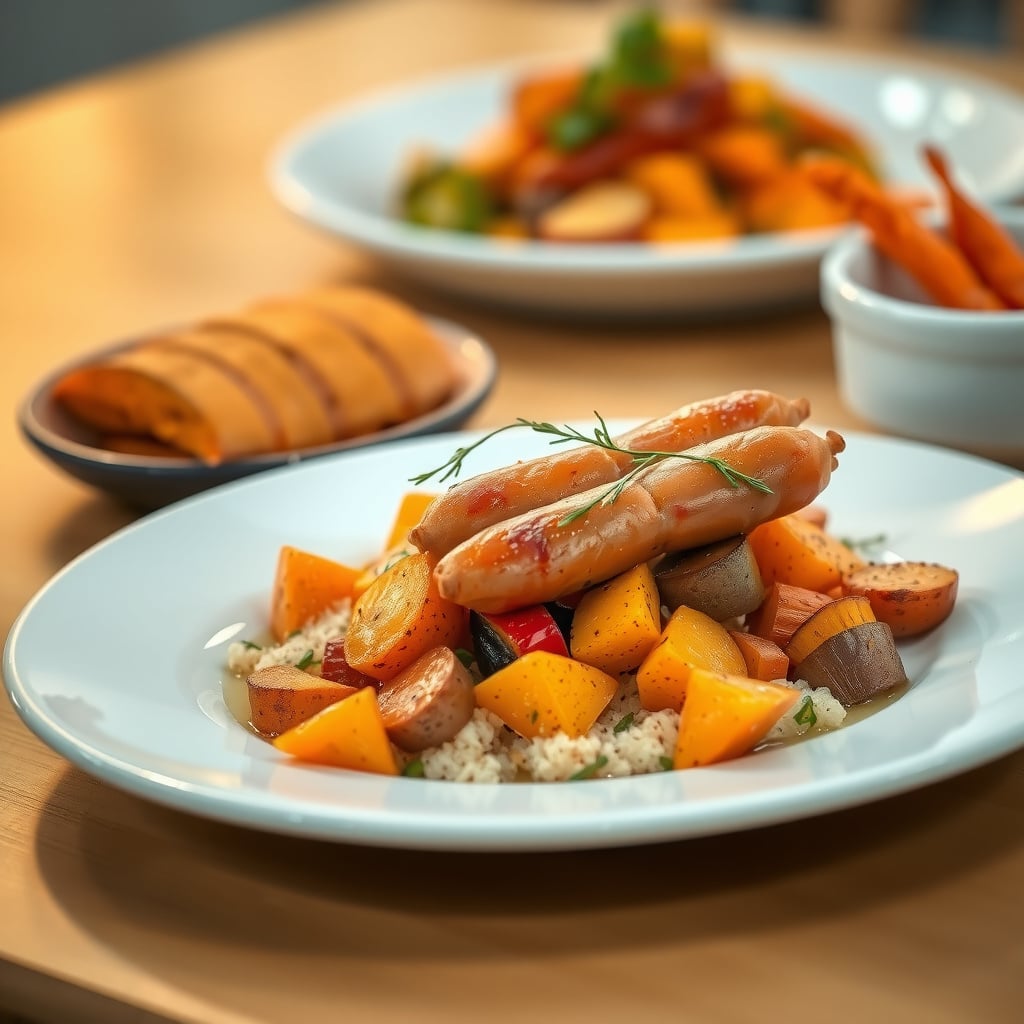
Roasted Harvest Root Vegetable and Sausage Bake
60min
4
View Full Recipe →
Ready to simplify your meal planning?
Let OttoChef AI create personalized meal plans for your family in seconds.