
Mastering Italian Radicchio: How Thermal Shock and Cold-Water Bleeding Tame Bitterness
Learn the professional Italian techniques of thermal shock and cold-water bleeding to tame the bitterness of radicchio, transforming it into a crisp, balanced culinary star.
James Okonkwo
Food Writer
October 8, 2026
5 min read
You bring home a gorgeous, ruby-red head of radicchio from the market, inspired by the memory of a rustic Italian meal. You chop it, toss it into a salad, and take a bite, only to be overwhelmed by a sharp, medicine-like bitterness that overpowers every other ingredient. Many home cooks experience this exact disappointment and relegate radicchio to the "beautiful but inedible" category.
In Italy, however, radicchio is revered as winter's prize vegetable. The secret to its popularity lies not in avoiding its bitterness, but in managing it. By understanding the vegetable's anatomy and employing two simple professional techniques—cold-water bleeding and thermal shock—you can transform this intimidating chicory into a sweet, crisp, and beautifully balanced ingredient.
Meet the Radicchio Family
Before diving into the techniques, it helps to understand which variety of radicchio you are working with, as their bitterness levels and structural properties differ:
- Radicchio di Chioggia: The most common variety found in supermarkets. It is round, resembling a small red cabbage, with tight, compact leaves and a bold, peppery bitterness.
- Radicchio di Treviso: Elongated and shaped like a large Belgian endive. It has fleshy, white ribs and deep red leaves. It is milder and holds up exceptionally well to grilling or roasting.
- Castelfranco: Often called the "winter rose," this variety features creamy-yellow leaves speckled with red and green. It is the mildest of the three, with a delicate, buttery texture.
The Chicory Family Tree
Radicchio is a member of the chicory family, closely related to Belgian endive, escarole, and dandelion greens. Its signature bitterness comes from a compound called intybin, which is highly water-soluble and also serves as a traditional digestive aid in Italian culinary culture.
The Science of Bitterness and Water Solubility
The bitterness in radicchio is concentrated primarily in its white veins and the core. The compound responsible for this taste, intybin, is highly soluble in water. This chemical property is the key to taming the vegetable.
When we cut radicchio and submerge it in water, we create an pathway for these bitter compounds to dissolve out of the plant cells and leach into the water. However, soaking vegetables can sometimes lead to limp, waterlogged leaves. This is where the dual technique of thermal shock comes into play.
By using ice-cold water, we simultaneously draw out the bitter compounds (bleeding) and cause the vegetable's cell walls to contract and tighten (thermal shock). This process increases the turgor pressure within the plant cells, resulting in an incredibly crisp leaf that resists wilting.
“Bitterness in radicchio is not a defect to be masked, but a culinary asset to be balanced, tempered, and celebrated.”
Traditional Venetian Culinary MaximHow to Bleed and Thermal-Shock Radicchio
This simple, multi-step technique requires nothing more than cold water, ice, and a little bit of time. Use this method before serving radicchio raw in salads or even prior to quick-cooking methods like grilling.
Prep and Cut
Cut the radicchio head according to your culinary needs. For salads, shred it into ribbons or tear the leaves. For grilling or roasting, cut it into wedges, keeping a portion of the core intact so the leaves hold together. Exposing the interior veins is crucial for allowing the bitter compounds to escape.
The Ice-Bath Submersion
Fill a large bowl with cold water and add a generous handful of ice cubes. Submerge the cut radicchio completely in the water. If the leaves float to the top, place a small plate or paper towel on top to keep them fully submerged.
The Soaking Period
Allow the radicchio to soak in the ice bath. For mild varieties like Castelfranco, 15 to 20 minutes is sufficient. For intense varieties like Chioggia, soak for 30 to 45 minutes. You will notice the water may take on a very faint, blue-grey tint—this is the bitter intybin leaving the vegetable.
Spin and Dry
Remove the radicchio from the water. It is absolutely vital to dry the leaves completely. Use a salad spinner or gently roll the leaves in a clean, dry kitchen towel.
Dry Completely After Soaking
Wet radicchio leaves will repel salad dressings and turn soggy when cooked. Water left on the leaves dilutes your vinaigrette and prevents proper emulsification, ruining the texture of your dish. Always dry the leaves thoroughly before proceeding.
Putting Tamed Radicchio to Use
Once your radicchio has undergone cold-water bleeding and thermal shock, you will find it has a radically different flavor profile. The bracing bitterness is replaced by a refreshing, peppery crunch with a surprisingly sweet finish.
To highlight this transformed ingredient, focus on pairing it with contrasting flavors. Radicchio thrives when matched with rich, salty, sweet, and acidic components.
- In Raw Salads: Combine your crisp, shocked radicchio with sweet elements like sliced pears, figs, or pomegranate seeds. Pair it with a rich, salty cheese like Gorgonzola or shaved Parmigiano-Reggiano, and dress it with a bright balsamic vinaigrette.
- Sautéed or Wilted: Toss shocked wedges into a hot pan with a splash of olive oil, garlic, and chopped pancetta. The heat will caramelize the natural sugars in the leaves, while the residual bitterness cuts through the rich pork fat.
Acid and Fat Balance
Even after soaking, radicchio retains a pleasant, characteristic bite. Always ensure your dressing has a slightly higher acid-to-oil ratio than you would use for standard lettuces. A touch of honey or maple syrup in the vinaigrette also works wonders to bridge the flavor gap.
By mastering the simple physics of cold-water bleeding and thermal shock, you can confidently approach any variety of radicchio. Instead of shunning its bitter nature, you now have the tools to harness it, adding depth, texture, and authentic Italian flair to your home cooking.
Try This Recipe
Now that you've learned about mastering italian radicchio: how thermal shock and cold-water bleeding tame bitterness, put your knowledge into practice with this recipe:
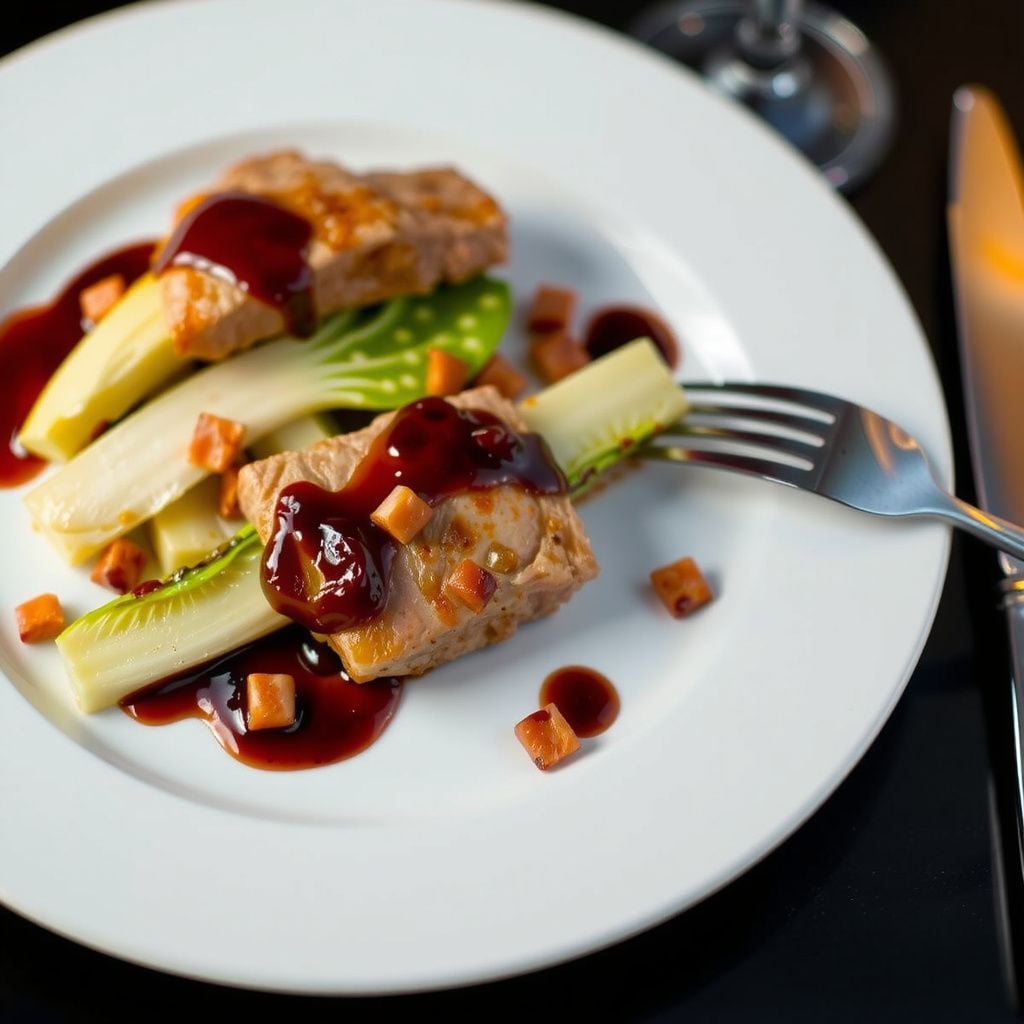
Pan-Seared Pork Medallions with Warm Balsamic-Glazed Radicchio
45min
4
View Full Recipe →
Ready to simplify your meal planning?
Let OttoChef AI create personalized meal plans for your family — free to use, no credit card.