
Mastering Ethiopian Communal Dining: The Science of Injera and Wot
Learn the traditional techniques of Ethiopian cooking, from the fermentation of teff-based injera to the slow-cooked complexity of Berbere-spiced wot stews.
Emma Chen
Recipe Developer
June 7, 2026
4 min read
1 view
Gathering around a shared platter, or gebeta, is the fundamental experience of Ethiopian dining. This tradition moves beyond the individual plate, focusing instead on a collective meal where flavors are layered and shared. At the heart of this experience are two pillars: injera, a sourdough flatbread with a unique spongy texture, and wot, a variety of slow-cooked stews that range from fiery and robust to mild and earthy. Understanding the techniques behind these components allows home cooks to appreciate the precision and patience required in Ethiopian culinary arts.\n\n
The Power of Teff
Teff is an ancient grain native to the Ethiopian highlands. It is a nutritional powerhouse, containing high levels of iron, calcium, and protein. Because the grain is so small, it is almost always ground into whole-grain flour, preserving all the nutrients of the bran and germ.
\n\nThe Foundation of the Meal: Injera. Injera is not merely a bread; it is a functional tool. Made from a fermented batter of teff flour and water, its characteristic "eyes" (small bubbles on the surface) are designed to soak up the juices of the stews served atop it. The fermentation process, which typically lasts between two to four days, develops a complex lactic acid profile that provides a sharp contrast to the rich, spiced wot.\n\n
Managing Fermentation
If you are experimenting with injera at home, maintain a consistent environment. A temperature between 70°F and 75°F is ideal for wild yeast activity. If your kitchen is cool, the fermentation will take longer; if it is too hot, the batter may become overly sour or develop off-flavors.
\n\nThe Heart of the Stew: Wot. Wot is the general term for Ethiopian stews, and they are defined by their depth of flavor. This depth is achieved through two primary components: the spice blend known as Berbere and the slow-cooking of red onions. Unlike many Western stews that begin with fat, a traditional wot begins with a dry-sweat of finely minced onions.\n\n
Dry-Sweating Onions
Place finely minced red onions in a dry, heavy-bottomed pot over medium-low heat. Cook them slowly, stirring frequently, until their moisture has evaporated and they have reduced into a thick, sweet paste. This process can take 30 to 45 minutes and is essential for the stew's body.
\n\n
Berbere Heat Levels
Berbere is a complex blend featuring chili peppers, ginger, garlic, and basil. When adding it to your pot, toast it briefly in the spiced butter (niter kibbeh) to wake up the fat-soluble compounds, but do not leave it unattended. The high chili content can burn and turn the entire dish bitter in seconds.
\n\nThe Technique of Niter Kibbeh. Flavor in Ethiopian cuisine is further layered using niter kibbeh, a clarified butter infused with spices like fenugreek, cumin, and koseret. This fat carries the spices deep into the proteins and legumes of the wot, providing a silky mouthfeel and a long-lasting finish on the palate.\n\n
"In Ethiopian culture, food is a communal bond. The act of sharing a platter signifies friendship, loyalty, and the recognition of our shared humanity."
Chef Yohanis Gebreyesus\n\nCommunal Dining Etiquette and the Gursha. The experience of eating injera and wot is tactile. Diners use their right hand to tear off a piece of injera, wrap it around a portion of wot, and bring it to their mouth. A significant tradition within this is the "gursha," an act of hospitality where one person places a wrapped morsel of food directly into the mouth of another. It is a gesture of respect and affection that reinforces the social nature of the meal.\n\n
The Science of the 'Eyes'
The small holes on the surface of injera are called 'ayen' in Amharic. These are created by carbon dioxide bubbles escaping the batter as it hits the hot griddle (mitad). A successful injera must have an even distribution of these holes to properly absorb the sauces.
\n\nMeal Planning with Ethiopian Flavors. For the meal planner, Ethiopian techniques are highly efficient. Wots are often better the next day as the spices continue to meld, making them excellent candidates for batch cooking. While the injera requires a multi-day fermentation, the batter can be stored in the refrigerator to slow down the process, allowing you to cook fresh bread over several days. By mastering the balance of fermentation and slow-cooked aromatics, you can bring the sophisticated, communal spirit of the Ethiopian table into your own kitchen.
Try This Recipe
Now that you've learned about ethiopian injera and wot: communal dining traditions, put your knowledge into practice with this recipe:
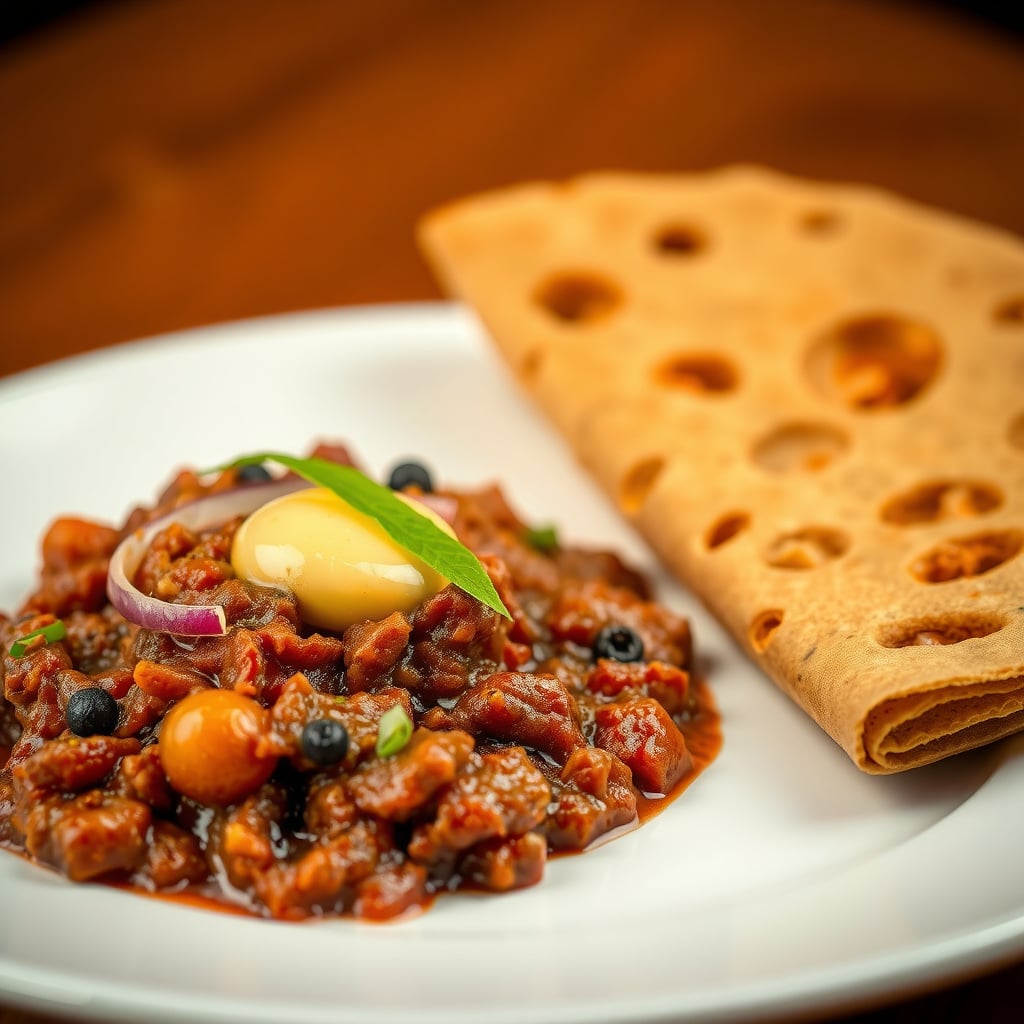
Traditional Misir Wot with Quick Teff Injera
105min
4
View Full Recipe →
Ready to simplify your meal planning?
Let OttoChef AI create personalized meal plans for your family in seconds.