
Mastering Component Cooking: The Flexible Way to Meal Prep
Discover the art of component cooking. Learn how to prep versatile building blocks to create diverse, fresh meals all week without the boredom of repetitive leftovers.
Alex Thompson
Food Editor
June 25, 2026
4 min read
Traditional meal prep often feels like a rigid commitment to a single menu. You spend your Sunday afternoon portioning out five identical containers of chicken, brown rice, and steamed broccoli, only to find yourself dreading that same meal by Wednesday. This repetitive approach is the primary reason many home cooks abandon meal prepping altogether. Component cooking offers a more dynamic alternative. Instead of preparing finished recipes, you focus on preparing high-quality building blocks—proteins, grains, vegetables, and sauces—that can be mixed and matched in various combinations throughout the week.
This method respects your future cravings. One night, your prepped roasted peppers and grilled steak might become a fajita bowl; the next, they could be tossed with cold noodles and a spicy peanut dressing. By focusing on the elements rather than the final dish, you maintain culinary flexibility while still reaping the time-saving benefits of batch cooking.
The Strategy of Neutrality
When prepping components, keep seasonings relatively simple. Salt, pepper, and high-heat oils provide a clean canvas. You can add specific cultural flavors—like cumin and lime or ginger and soy—at the moment of assembly to change the dish's direction.
To master this technique, you must think like a professional chef managing a 'mise en place' station. Your refrigerator becomes a library of possibilities rather than a graveyard of half-eaten leftovers.
Identify Your Core Pillars
Divide your prep list into four categories: a versatile protein, a sturdy grain or starch, a variety of vegetables (both raw and cooked), and two contrasting sauces. This structure ensures every meal is nutritionally balanced and flavorful.
Batch Prep by Texture and Temperature
Group ingredients by how they cook. Roast a tray of hearty root vegetables like sweet potatoes and carrots at 400°F (200°C), then use that same oven heat to sear your proteins. While the oven works, simmer a large pot of grains on the stove.
The Cooling and Storage Phase
Never pack hot components into airtight containers immediately. The steam trapped inside will continue to cook the food, leading to mushy vegetables and rubbery proteins. Let everything reach room temperature on open trays before refrigerating.
Proteins are the most time-consuming element of any meal, so they deserve the most attention during your prep session. Consider techniques that yield juicy results even after reheating. Braising or slow-roasting tougher cuts of meat often works better for component cooking than quick-searing lean cuts, as the fat and connective tissue help the protein stay moist. If you prefer plant-based options, preparing a large batch of seasoned chickpeas or marinated firm tofu provides a reliable base for salads, wraps, and bowls.
"Component cooking is about preparing the 'vocabulary' of your kitchen so you can write a different culinary story every night of the week."
Chef OttoVegetables should be prepped in two ways: roasted for depth and raw for crunch. Roasting brings out the natural sugars in brassicas like cauliflower and Brussels sprouts, making them savory and satisfying. Meanwhile, washing and slicing hardy greens like kale or shredding cabbage provides a fresh, textural contrast that prevents 'prep fatigue.'
Avoid High-Moisture Ingredients
Ingredients with high water content, like sliced cucumbers, tomatoes, or dressed greens, do not store well for more than 24 hours. Prep these fresh at the time of assembly to maintain the integrity of your meal.
Graphs and starches are the workhorses of the component method. While white rice can sometimes dry out, grains like farro, quinoa, or wild rice hold their texture remarkably well over several days. If your grains do become a bit firm in the fridge, a splash of water and a damp paper towel during reheating will effectively steam them back to life.
The Sauce Secret
The true 'magic'—or rather, the culinary logic—of component cooking lies in the sauces. Prepare one creamy sauce (like a lemon-tahini or herbed yogurt) and one acidic/bright sauce (like a chimichurri or a ginger-scallion oil). These will transform the same basic ingredients into entirely different regional cuisines.
Finally, think about assembly. A 'bowl' is the most common manifestation of component cooking, but don't limit yourself. Those same prepped items can fill a wrap, top a piece of toasted sourdough, or be folded into an omelet. The goal is to spend ten minutes or less at the stove during the week, simply heating and combining what you have already perfected. By mastering the art of the component, you aren't just saving time; you are giving yourself the tools to be a more creative, spontaneous cook.
Try This Recipe
Now that you've learned about the art of component cooking: mix and match meal prep, put your knowledge into practice with this recipe:
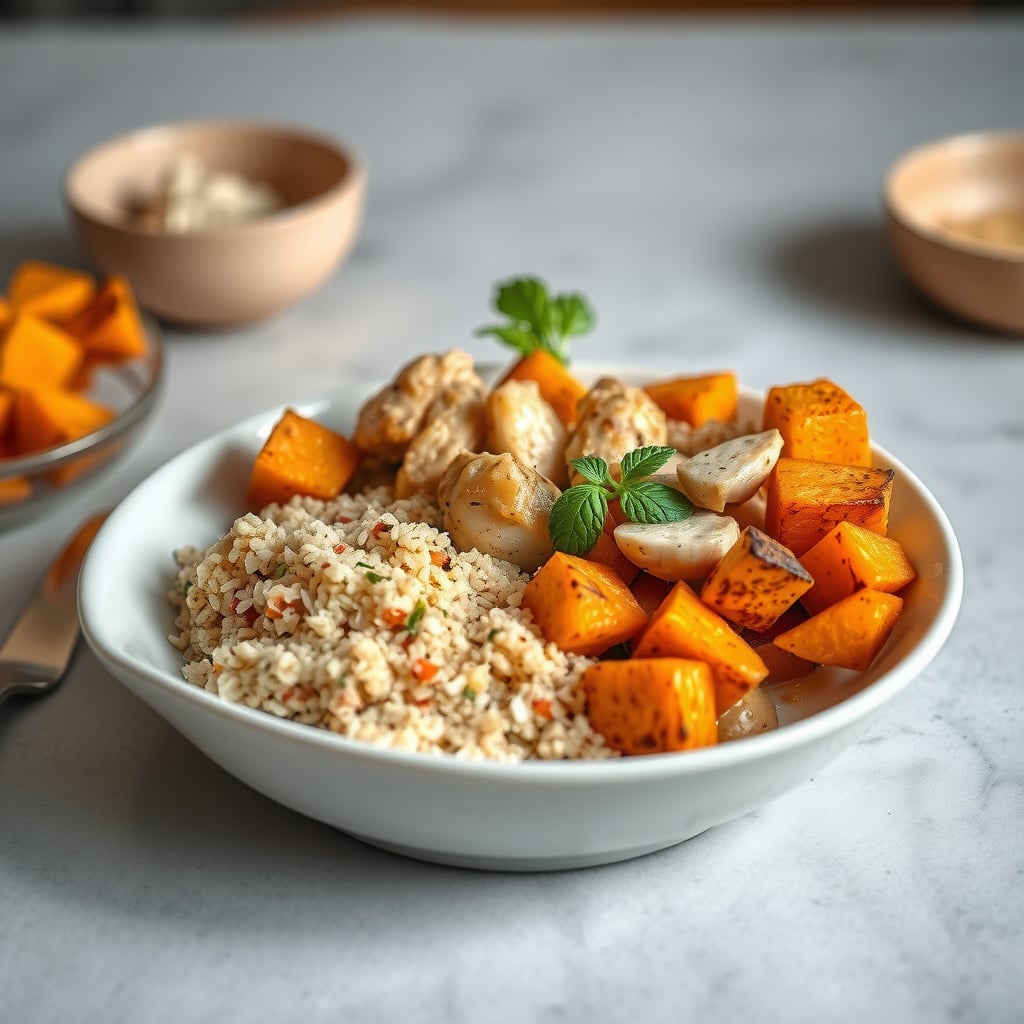
Mediterranean Harvest Component Bowl
60min
4
View Full Recipe →
Ready to simplify your meal planning?
Let OttoChef AI create personalized meal plans for your family in seconds.