
Master Middle Eastern Pantry Staples for Budget-Friendly Meals
Learn how Middle Eastern pantry staples like lentils, bulgur, and tahini can transform your cooking while significantly reducing your monthly grocery budget.
Marcus Rivera
Culinary Editor
June 4, 2026
5 min read
1 view
Managing a kitchen budget often feels like a balancing act between cost and flavor. When grocery prices rise, many home cooks default to repetitive, bland meals to save money. However, looking toward the culinary traditions of the Middle East offers a blueprint for affordable, nutrient-dense, and intensely flavorful cooking. This region's cuisine has long relied on shelf-stable legumes, versatile grains, and potent aromatics that provide maximum impact for minimal investment.\n\nMiddle Eastern cooking excels at elevating humble ingredients. By shifting your focus from expensive animal proteins to a well-stocked pantry of dry goods and long-lasting condiments, you can create satisfying meals that cost a fraction of traditional Western meat-centric dishes. Understanding how to utilize these staples is the first step toward a more sustainable and exciting kitchen economy.\n\n
The Versatility of Tahini
While often associated with hummus, tahini is a powerhouse ingredient made from ground sesame seeds. It acts as a protein-rich base for dressings, a fat source for baking, and a thickener for soups, making it one of the most cost-effective ways to add richness to a dish.
\n\n### The Backbone of the Pantry: Legumes and Grains\n\nLegumes are the undisputed heroes of budget cooking. Chickpeas, red lentils, and fava beans are staples that provide high levels of protein and fiber. Purchasing these in their dried form rather than canned is one of the most effective ways to slash your food costs. Dried legumes are significantly cheaper by weight and allow you to control the texture and salt content of your food.\n\nRed lentils, in particular, are a pantry essential because they do not require soaking and cook in under 20 minutes. They break down easily, acting as a natural thickener for stews and soups, which eliminates the need for expensive creams or starches. Chickpeas, once cooked, can be transformed into spreads, roasted for snacks, or tossed into salads to add bulk and satiety.\n\n
Bulk Buying
Purchase your grains and legumes from international markets or bulk bins. These retailers often have a higher turnover, ensuring fresher stock at prices significantly lower than standard supermarket aisles.
\n\nBulgur wheat is another cost-saving champion. Unlike rice, which can be finicky to cook, or quinoa, which is often expensive, bulgur is parboiled and dried cracked wheat. It is incredibly shelf-stable and requires very little fuel to cook; often, simply soaking it in boiling water is enough to rehydrate it. This makes it an excellent choice for quick weeknight meals.\n\n
Rinsing
Place your dried beans or lentils in a fine-mesh sieve and rinse under cold water. Sort through them to remove any small stones or damaged pieces.
\n\n
The Long Soak
For larger beans like chickpeas, cover them with at least three inches of water and let them soak for 8 to 12 hours. This reduces cooking time and improves digestibility.
\n\n
Simmering
Drain the soaking water and add fresh water to a pot. Bring to a boil, then reduce to a simmer. Add salt only when the beans are nearly tender, as salting too early can toughen the skins.
\n\n### Building Flavor with Concentrates and Spices\n\nIn Middle Eastern cuisine, flavor isn't derived from expensive cuts of meat, but from the strategic use of high-impact condiments. Two essential items are pomegranate molasses and tomato paste. Pomegranate molasses provides a deep, syrupy acidity that replaces the need for expensive vinegars or fresh citrus in many applications. It lasts for months in the refrigerator and a single tablespoon can transform a simple tray of roasted vegetables.\n\nTomato paste is frequently used as a base for sauces, but the technique of 'frying' the paste is what unlocks its potential. By cooking the paste in a little oil until it turns a deep brick red, you develop a concentrated umami flavor that mimics the depth of a long-simmered meat sauce.\n\n
"In many Middle Eastern cultures, the pantry is a living library of flavor, built to sustain a family through any season with dignity and taste."
Chef Otto\n\nSpices like sumac and za'atar are the finishing touches that provide 'expensive' flavor on a budget. Sumac, with its bright, lemony profile, adds acidity without adding moisture. Za'atar—a blend of dried thyme, oregano, marjoram, toasted sesame seeds, and salt—is a complete seasoning profile in one jar. Sprinkling these over simple roasted potatoes or flatbreads elevates basic ingredients to restaurant-quality dishes.\n\n
Storage Matters
Store your spices in airtight containers in a cool, dark place. Heat from the stovetop and light from windows will oxidize the volatile oils in spices like sumac and cumin, causing them to lose their potency rapidly.
\n\n### Practical Strategies for the Home Cook\n\nTo maximize these ingredients, adopt the 'mouneh' mindset—the traditional Levantine practice of preserving the harvest. This involves buying seasonal produce when it is cheapest and pairing it with your pantry staples. A single bunch of parsley, which is often inexpensive, becomes a meal when mixed with bulk-bought bulgur and a lemon-tahini dressing.\n\nAnother strategy is the use of 'aromatics' as a foundation. Onions and garlic are inexpensive and form the starting point for almost every Middle Eastern dish. By slowly caramelizing onions, you create a sweet, savory base that adds complexity to simple grain dishes like mujadara (a classic combination of lentils, rice, and onions).\n\nIntegrating these Middle Eastern staples into your routine does more than just save money; it introduces a philosophy of cooking that values resourcefulness and flavor density. By mastering the preparation of legumes, utilizing flavor concentrates, and buying in bulk, you can enjoy a diverse and sophisticated menu while keeping your grocery bill firmly under control.
Try This Recipe
Now that you've learned about middle eastern pantry staples that save money, put your knowledge into practice with this recipe:
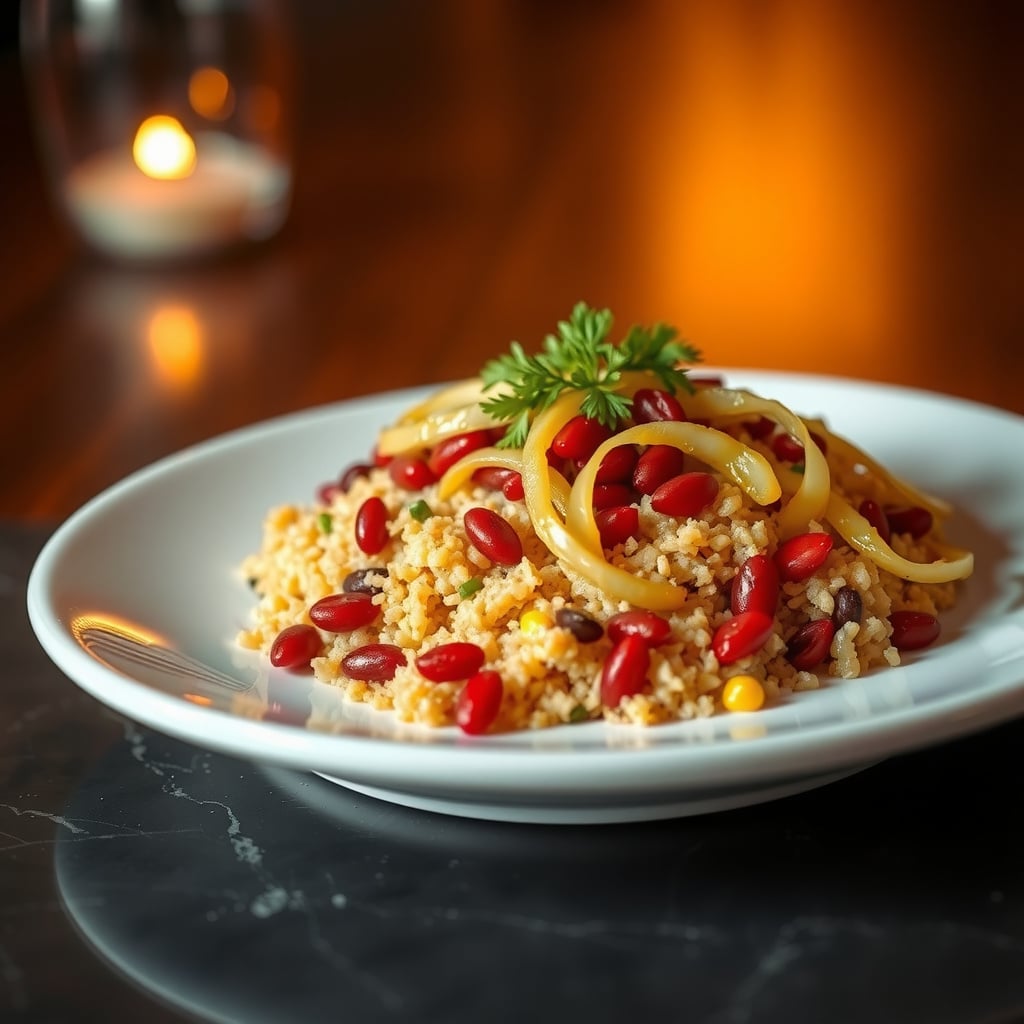
Hearty Red Lentil and Bulgur Pilaf with Lemon-Tahini Drizzle
45min
4
View Full Recipe →
Ready to simplify your meal planning?
Let OttoChef AI create personalized meal plans for your family in seconds.