
Allergy-Friendly Family Cooking: Strategies That Actually Work
Master practical strategies for cooking delicious meals that accommodate food allergies without making separate dishes for everyone. Expert tips for stress-free family dinners.
Lily Nakamura
Recipe Editor
March 25, 2026
7 min read
12 views
When your child comes home with an allergy diagnosis, or a family member develops new food sensitivities, the dinner table can suddenly feel like a minefield. You're juggling multiple restrictions, worried about cross-contamination, and desperately trying to avoid becoming a short-order cook making three different versions of every meal.
The good news? With the right strategies, you can create inclusive family meals that everyone enjoys—without spending your entire evening in the kitchen or compromising on flavor.
Understanding Your Kitchen's New Reality
Before diving into cooking techniques, take inventory. The most successful allergy-friendly kitchens operate on a foundation of knowledge and organization. Know exactly which ingredients trigger reactions, understand cross-contamination risks, and recognize hidden allergens in processed foods.
Read labels obsessively at first—it becomes second nature. Wheat hides in soy sauce, dairy lurks in many breads, and nuts appear in unexpected places like pesto and mole sauce. This detective work pays dividends when you can confidently shop and cook without constant anxiety.
The Top 9 Allergens
In the US, nine foods account for 90% of allergic reactions: milk, eggs, fish, shellfish, tree nuts, peanuts, wheat, soybeans, and sesame. Many countries have similar priority allergen lists, though specifics vary by region.
Build Your Meals Around Naturally Safe Foods
The easiest allergy-friendly cooking starts with ingredients that need no substitution. Rice, potatoes, most fresh meats, vegetables, and fruits are naturally free from most major allergens. Build your meal planning around these foundations, then add complexity.
Consider a roasted chicken dinner with herb-roasted potatoes and sautéed green beans. This meal is naturally free from most common allergens—no substitutions required. From this base, you can add elements for family members without restrictions: a cream sauce on the side, dinner rolls for those who eat wheat, or a nut-based garnish served separately.
This approach flips the script. Instead of taking a conventional recipe and removing allergens, you're starting with safe ingredients and building up.
The Power of Rice
Rice is your secret weapon in allergy-friendly cooking. It's naturally gluten-free, allergen-friendly, and incredibly versatile. Use rice flour for breading, rice noodles in stir-fries, and arborio rice for creamy risotto that needs no dairy. Keep multiple varieties on hand: jasmine for Asian dishes, basmati for Indian cuisine, and short-grain for sushi or rice bowls.
Master Strategic Substitutions
Every allergy-friendly cook needs a mental database of reliable substitutions. These aren't about recreating exact flavors—they're about maintaining the functional role an ingredient plays in a dish.
For binding (eggs): Ground flaxseed mixed with water creates a gel perfect for meatballs and veggie burgers. Mashed banana works in sweet baked goods. Aquafaba (chickpea liquid) whips into meringues and adds structure to baked goods.
For richness (dairy): Full-fat coconut milk brings creaminess to curries and soups. Cashew cream (if nuts are safe) creates luxurious sauces. Olive oil adds richness to mashed potatoes and can replace butter in many savory applications.
For texture (wheat): Gluten-free flour blends work well in most baking when combined with xanthan gum. Almond flour (if safe) creates tender cakes and cookies. Rice flour produces crispy coatings for fried foods.
"The goal isn't to create perfect replicas of dishes you can no longer eat. It's to develop a new repertoire of meals that happen to be safe and also happen to be delicious."
Chef Ming Tsai, whose restaurants accommodate food allergiesPrevent Cross-Contamination Without Paranoia
Cross-contamination is real, but you don't need a hazmat suit in your kitchen. Implement practical systems that become routine.
Designate Tools
Keep separate cutting boards, toasters, and wooden spoons for allergen-free cooking. Color-code them or mark with permanent marker. Wooden and porous materials are harder to fully clean of allergens.
Order of Operations
When cooking mixed meals, prepare allergen-free portions first, then add restricted ingredients to remaining portions. This prevents accidental contamination from splashes or utensil sharing.
Clean Strategically
Wash hands and surfaces thoroughly between handling allergens and safe foods. Use separate sponges or paper towels. Run the dishwasher on hot cycles for shared dishes.
Store Separately
Keep allergen-containing foods on lower shelves where they can't drip onto safe foods. Use sealed containers with clear labels.
These habits feel cumbersome initially but quickly become automatic, like washing your hands before cooking.
Cook Globally, Think Inclusively
Many international cuisines are naturally aligned with allergy-friendly cooking. Exploring these traditions expands your repertoire while keeping meals interesting.
Thai cuisine relies heavily on rice, fresh vegetables, and coconut milk—naturally dairy-free with many gluten-free options. Vietnamese pho uses rice noodles. Indian dal (lentil stew) offers protein-rich, naturally vegan options. Mexican cuisine's corn-based tortillas provide wheat-free alternatives, while beans and rice create complete proteins.
Japanese cooking emphasizes clean flavors with rice, fish, and vegetables. Middle Eastern cuisine offers hummus, baba ganoush, and rice-based dishes. These aren't niche "allergy foods"—they're established culinary traditions enjoyed by billions.
Soy Sauce Surprise
Many Asian recipes call for soy sauce, which typically contains wheat. If avoiding gluten, substitute tamari (wheat-free soy sauce) or coconut aminos. Always check labels—even tamari occasionally contains wheat.
Batch Cooking and Meal Prep Strategies
Allergy-friendly cooking demands more from-scratch preparation, making batch cooking essential for sanity. Dedicate a few hours weekly to preparing components you'll remix throughout the week.
Cook large batches of safe grains: rice, quinoa, or gluten-free pasta. Roast sheet pans of vegetables seasoned simply with olive oil and salt. Prepare proteins in bulk—grilled chicken, seasoned ground meat, or baked tofu.
Store these components separately, then combine them in different ways throughout the week. Monday's roasted vegetables and rice become Tuesday's fried rice. Wednesday's grilled chicken transforms into Thursday's chicken salad (using dairy-free mayo). This approach provides variety without cooking from scratch daily.
Sauces and dressings make or break this strategy. Prepare several allergen-free options weekly: a versatile vinaigrette, a tahini-based sauce, a tomato sauce, and a stir-fry sauce. These transform basic components into distinct meals.
Label Everything
When batch cooking, label containers with contents and date. Include "SAFE" or specific allergen information. This prevents dangerous guessing games when family members help themselves, and helps you track freshness.
Involve the Whole Family
Allergy-friendly cooking shouldn't fall solely on one person's shoulders. Age-appropriate involvement helps everyone understand the stakes while building crucial life skills.
Younger children can wash vegetables, tear lettuce, or stir batters. Older kids can read labels, measure ingredients, and eventually cook simple safe meals independently. This isn't just about help—it's about empowerment. Children with allergies need to understand their restrictions and learn to advocate for themselves.
Family members without restrictions can learn to think inclusively. When they understand why certain protocols matter, they become allies rather than sources of accidental exposure.
When Flexibility Serves Everyone
Some meals benefit from a "build your own" approach. Taco bars, grain bowls, and pizza nights allow customization without separate cooking.
Set out safe base ingredients everyone can eat, then offer optional add-ons containing allergens in separate bowls. Someone avoiding dairy skips the cheese and sour cream. Someone avoiding gluten uses corn tortillas instead of flour. Everyone constructs their ideal meal from the same spread.
This approach normalizes differences without highlighting them. Nobody's eating "special" food—everyone's personalizing their meal.
The Power of Positivity
Frame allergy-friendly cooking as an adventure, not a limitation. "We're learning to cook like they do in Thailand" sounds more exciting than "We can't have dairy anymore." This mindset shift helps everyone—especially children—embrace rather than resent dietary changes.
Building Your Confidence
Allergy-friendly family cooking feels overwhelming initially because you're learning a new language while unlearning old habits. Give yourself grace during this transition.
Start with simple, naturally safe meals while you build skills and knowledge. Gradually expand your repertoire as confidence grows. Join online communities where other families share strategies and recipes. Many food bloggers specialize in specific allergen-free cooking and offer tested, reliable recipes.
Most importantly, remember that perfection isn't the goal—safety and nourishment are. Some meals will be spectacular; others will be merely adequate. Both feed your family and keep them safe, which makes them successes.
The dinner table can remain a place of connection and joy, even when allergies change what appears on it. With strategic planning, smart substitutions, and a spirit of culinary adventure, you'll develop a new repertoire of family favorites that happen to be safe—and happen to be delicious.
Try This Recipe
Now that you've learned about allergy-friendly family cooking strategies, put your knowledge into practice with this recipe:
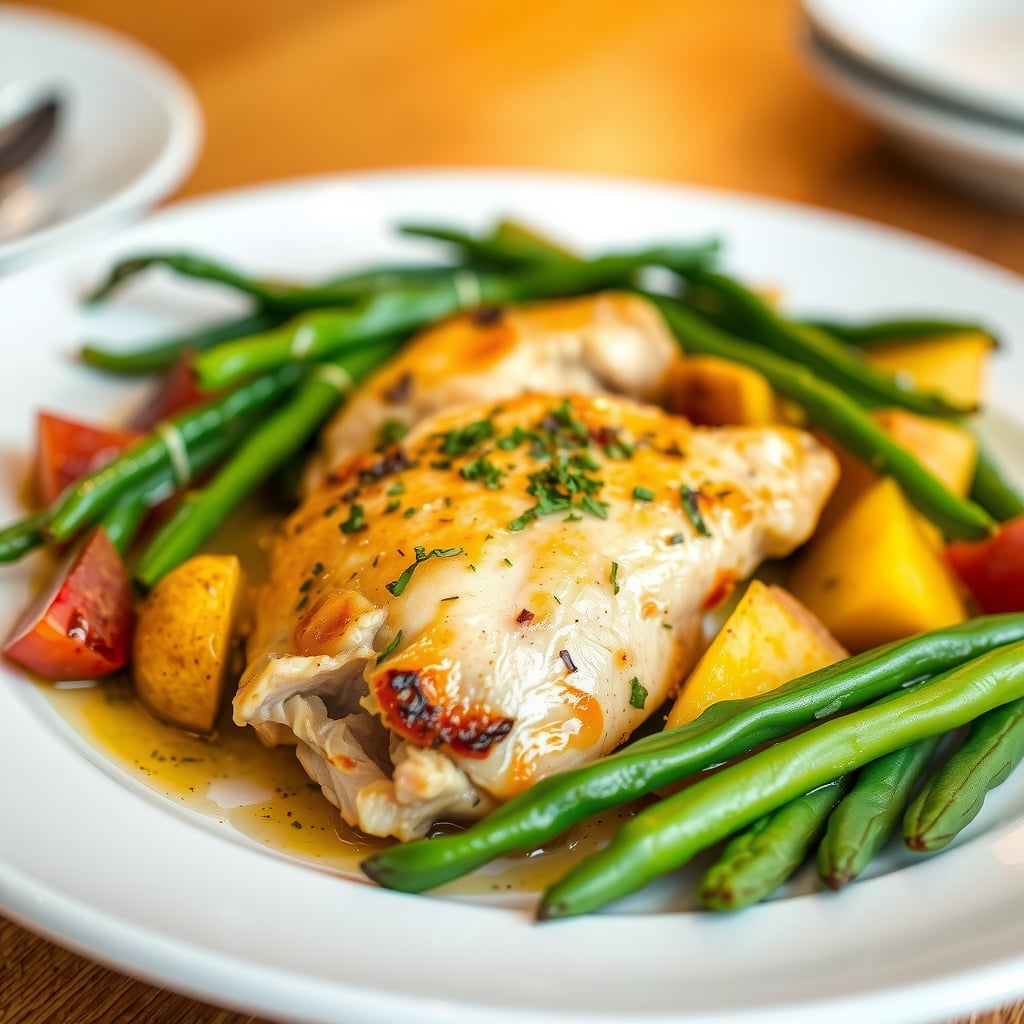
One-Pan Herb Roasted Chicken with Golden Potatoes and Green Beans
60min
4
View Full Recipe →
Ready to simplify your meal planning?
Let OttoChef AI create personalized meal plans for your family in seconds.