
Whole Grains Demystified: Nutrition and Cooking Tips for Every Kitchen
Unlock the nutritional power and culinary potential of whole grains. Learn cooking techniques, health benefits, and practical tips for incorporating quinoa, farro, bulgur, and more.
Daniel Park
Culinary Contributor
March 27, 2026
8 min read
7 views
Walk into any grocery store and you'll find an overwhelming array of grains in bags and bins: farro, freekeh, bulgur, millet, amaranth. Many home cooks reach for the familiar white rice or pasta, intimidated by these ancient grains with unfamiliar names and unclear cooking instructions. But understanding whole grains opens up a world of nutrition, texture, and flavor that can transform everyday meals from mundane to memorable.
Let's cut through the confusion and explore what makes whole grains nutritionally superior, how to cook them confidently, and why they deserve a permanent spot in your pantry.
Understanding the Whole Grain Advantage
A whole grain contains all three parts of the original kernel: the bran (fiber-rich outer layer), the germ (nutrient-dense core), and the endosperm (starchy middle). When grains are refined—think white rice or all-purpose flour—the bran and germ are stripped away, taking most of the fiber, vitamins, minerals, and beneficial plant compounds with them.
The nutritional difference is substantial. Whole grains deliver significantly more fiber (crucial for digestive health and blood sugar regulation), B vitamins (essential for energy metabolism), minerals like magnesium and selenium, and antioxidants. Research consistently links whole grain consumption to reduced risk of heart disease, type 2 diabetes, and certain cancers.
The Whole Grain Council Definition
For a product to be labeled "whole grain," it must contain all three parts of the kernel in their original proportions. Look for "100% whole grain" or "100% whole wheat" on labels, as "multigrain" or "wheat bread" doesn't guarantee whole grains.
But nutrition isn't the only reason to embrace whole grains. They bring textural variety—from the pleasant chewiness of farro to the delicate fluffiness of quinoa—and nutty, complex flavors that refined grains simply can't match.
The Essential Whole Grains to Know
Let's break down the most versatile whole grains and their unique characteristics:
Quinoa (technically a seed) cooks quickly in about 15 minutes and offers a complete protein profile with all nine essential amino acids. Its mild, slightly nutty flavor makes it incredibly versatile.
Farro is an ancient wheat variety with a satisfying chew and robust, nutty taste. It holds its texture beautifully in salads and soups, even after cooking.
Bulgur is parboiled cracked wheat that cooks in mere minutes. Fine bulgur can even be "cooked" by simply soaking in hot water, making it perfect for quick meals.
Brown rice needs no introduction, but many cooks struggle with its longer cooking time and texture. Understanding the right technique makes all the difference.
Barley comes in two forms: hulled (more nutritious but slower-cooking) and pearl (quicker but with some bran removed). Both add wonderful creaminess to soups and stews.
Millet is a tiny, quick-cooking grain that can be fluffy like couscous or creamy like polenta, depending on your water ratio.
Start With Familiar Formats
If whole grains feel intimidating, begin with whole grain versions of foods you already love: whole wheat pasta, brown rice, or whole grain bread. Once comfortable, branch out to ancient grains like farro or freekeh.
Mastering Whole Grain Cooking Techniques
The biggest complaint about whole grains? "They take too long to cook." While whole grains do require more time than their refined counterparts, proper technique makes the process hands-off and reliable.
The Absorption Method works for most grains. Use a specific water-to-grain ratio, bring to a boil, reduce to a simmer, cover, and let the grain absorb all the liquid. This method works beautifully for quinoa, bulgur, and millet.
The Pasta Method treats grains like pasta: boil in abundant salted water until tender, then drain. This approach is forgiving (no worry about water ratios) and works excellently for farro, wheat berries, and barley. You can't overcook them as easily since excess water drains away.
Toasting Before Cooking intensifies flavor dramatically. Heat dry grains in your pot for 2-3 minutes until fragrant before adding liquid. This extra step adds depth to quinoa, millet, and rice.
Rinse Your Grains
Place grains in a fine-mesh strainer and rinse under cold water until the water runs clear. This removes excess starch and any natural coating (like quinoa's saponin) that can cause bitterness.
Use Proper Ratios
Most grains use a 2:1 or 3:1 water-to-grain ratio. Quinoa: 2:1. Brown rice: 2.5:1. Farro: 3:1. Check package instructions for specifics, but these ratios provide a reliable starting point.
Season the Cooking Water
Add salt to your cooking liquid (about 1 teaspoon per cup of dry grain). Cooking grains in stock instead of water adds another layer of flavor.
Let It Rest
After cooking, remove from heat and let the grain sit, covered, for 5-10 minutes. This resting period allows moisture to redistribute, creating a fluffier, more evenly cooked texture.
Fluff and Season
Use a fork to fluff the grains, breaking up any clumps. This is your opportunity to add a drizzle of olive oil, a squeeze of lemon, or fresh herbs.
"Whole grains are not a side dish afterthought—they're a foundation for building complete, satisfying meals that nourish both body and palate."
Culinary nutritionist Maria GonzalezTime-Saving Strategies
The cooking time concern is valid when you're trying to get dinner on the table quickly. Here's how to work smarter:
Batch cooking is your best friend. Cook a large pot of grains on Sunday and refrigerate for up to five days. Reheat portions as needed throughout the week, adding them to salads, grain bowls, soups, or as simple sides.
Freezing works beautifully for most cooked whole grains. Spread cooked, cooled grains on a baking sheet to freeze individually, then transfer to freezer bags. They'll stay separated and you can grab exactly what you need.
Choose quick-cooking varieties when time is tight. Quinoa (15 minutes), bulgur (10 minutes), and millet (20 minutes) rival the speed of white rice.
Use a pressure cooker or Instant Pot to slash cooking times dramatically. Brown rice cooks in 22 minutes under pressure versus 45-50 minutes on the stovetop.
The Mushy Grain Mistake
Overcooking is the most common whole grain failure. Set a timer and check for doneness a few minutes before the recommended time. Grains should be tender with a slight chew, not mushy or blown out. If using the pasta method, taste frequently as they cook.
Maximizing Nutrition and Digestibility
Whole grains contain phytic acid, a compound that can bind to minerals and reduce their absorption. While phytic acid isn't harmful, a simple technique can reduce it and improve digestibility:
Soaking grains for 8-12 hours in water with a tablespoon of acid (lemon juice or vinegar) breaks down phytic acid. Drain, rinse, and cook as usual. This step is optional but beneficial, especially for those with sensitive digestion.
Proper cooking also neutralizes most phytic acid, so if you skip soaking, you're still getting excellent nutrition.
Combining grains with vitamin C-rich foods enhances iron absorption. Add tomatoes, bell peppers, or citrus to grain-based meals for maximum nutritional benefit.
Sprouting for Extra Nutrition
Sprouting grains increases their vitamin content and makes them easier to digest. Soak grains overnight, drain, and let sit in a jar covered with cheesecloth, rinsing twice daily until small sprouts appear (1-3 days). Use sprouted grains in salads or cook them as usual with reduced cooking time.
Building Flavor Into Whole Grains
Plain grains can taste bland if treated as an afterthought. Think of them as a canvas for flavor:
Cook in stock instead of water for instant depth. Vegetable, chicken, or mushroom stock all work beautifully.
Add aromatics to the cooking liquid: a bay leaf, garlic cloves, a cinnamon stick, or a strip of kombu (seaweed) infuses subtle complexity.
Finish with fat and acid: a glug of good olive oil and a squeeze of lemon juice brighten and round out flavors after cooking.
Toast nuts or seeds and sprinkle over grains for textural contrast and healthy fats.
Fresh herbs transform simple grains into something restaurant-worthy. Parsley, cilantro, dill, mint, or basil all work depending on your meal's flavor profile.
Storage and Shelf Life
Whole grains contain the oil-rich germ, making them more perishable than refined grains. Store uncooked whole grains in airtight containers in a cool, dark place for up to six months, or refrigerate or freeze them for up to a year.
Cooked grains keep refrigerated for 4-5 days and frozen for up to three months.
The Rancidity Check
Whole grains can go rancid due to their natural oils. If grains smell musty, sour, or "off," discard them. Fresh whole grains should smell nutty and slightly sweet.
Making the Switch Sustainable
Transitioning to whole grains doesn't require an overnight pantry overhaul. Start by replacing one refined grain with a whole grain each week. Swap white rice for brown rice one night. Try whole wheat pasta instead of regular. Experiment with farro in place of rice in a soup.
As you build confidence and discover which grains your family enjoys, you'll naturally incorporate more variety. The goal isn't perfection—it's progress toward more nutritious, delicious meals.
Whole grains offer more than just health benefits. They connect us to ancient food traditions, add satisfying texture and depth to meals, and prove that nutritious food can be genuinely delicious. With proper technique and a bit of planning, these nutrient-dense powerhouses become weeknight staples rather than special occasion ingredients.
Grab a bag of farro or quinoa on your next grocery run, and give it a try. Your body—and your taste buds—will thank you.
Try This Recipe
Now that you've learned about whole grains demystified: nutrition and cooking tips, put your knowledge into practice with this recipe:
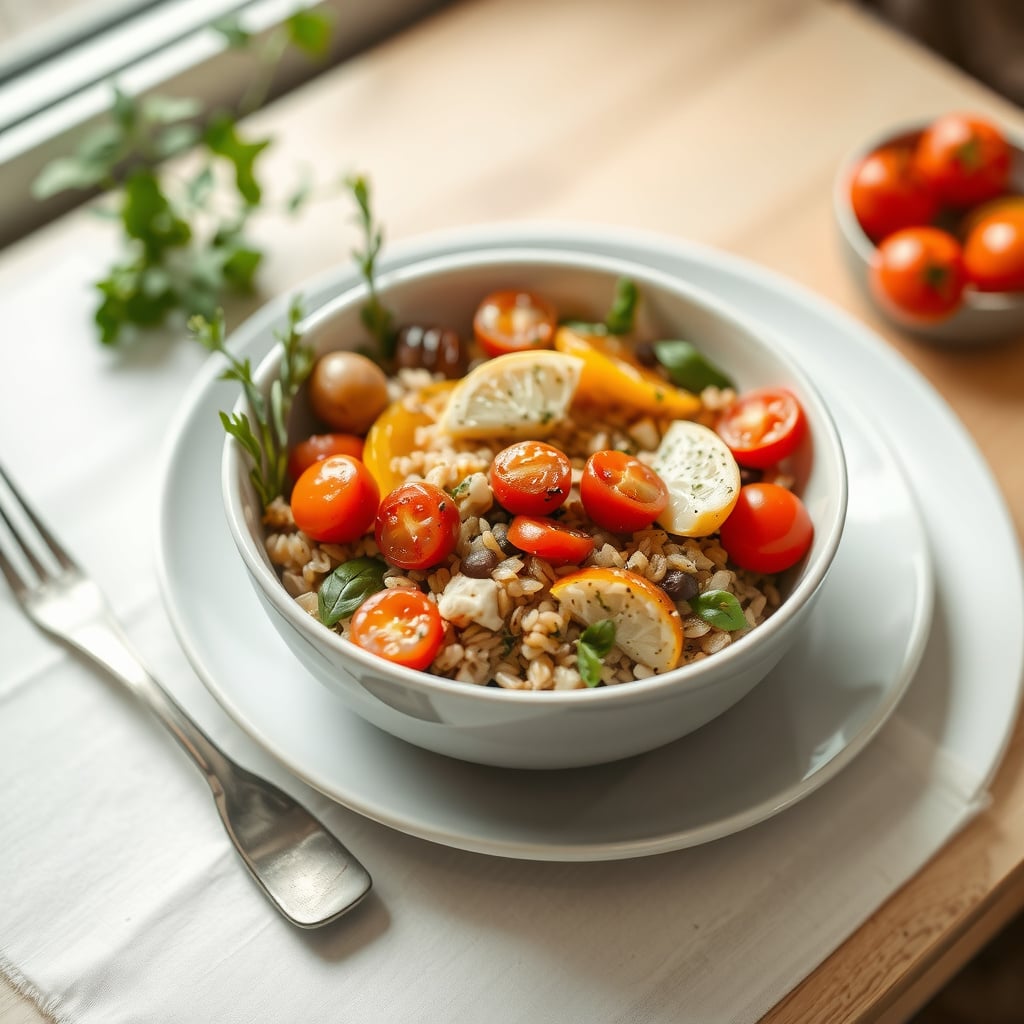
Mediterranean Farro Bowl with Roasted Vegetables and Lemon-Herb Dressing
65min
4
View Full Recipe →
Ready to simplify your meal planning?
Let OttoChef AI create personalized meal plans for your family in seconds.