
Unlock the Hidden Nutrition of Cooked Broccoli with This Simple Spice
Learn how to use raw mustard seed powder to reactivate heat-damaged enzymes in cooked cruciferous vegetables, maximizing their nutritional benefits.
Daniel Park
Culinary Contributor
October 1, 2026
5 min read
3 views
We have all been told to eat our broccoli. Whether roasted to a deep, caramelized brown or tossed in a vibrant stir-fry, cruciferous vegetables like broccoli, Brussels sprouts, kale, and cabbage are staples of a health-conscious kitchen. However, a culinary dilemma exists: many of the potent health benefits associated with these vegetables are locked away behind a delicate chemical reaction that is easily destroyed by the heat of cooking.
Most people prefer their vegetables cooked rather than raw. Cooking softens tough fibers, coaxes out natural sweetness, and removes bitter notes. But this thermal transformation comes with a nutritional cost. By understanding the kitchen science behind these plants, you can enjoy the culinary superiority of roasted or steamed brassicas without sacrificing their most valuable nutritional compounds. The secret lies in a humble pantry staple: raw mustard seed powder.
The Chemistry of Cruciferous Vegetables
To understand why raw mustard seed helps, we have to look at the defense mechanism of cruciferous plants. These vegetables contain precursor compounds called glucosinolates (specifically one called glucoraphanin) and a separate, highly heat-sensitive enzyme called myrosinase.
In the living plant, these two components are stored in separate compartments within the cells. When the plant is chewed, chopped, or crushed, the cell walls break, allowing the myrosinase enzyme to mix with glucoraphanin. This chemical reaction produces a compound called sulforaphane.
The Sulforaphane Connection
Sulforaphane is a sulfur-rich compound studied for its powerful antioxidant, anti-inflammatory, and cellular-defense properties. It is not actually present in the intact vegetable; it only forms when the plant's cell walls are damaged, allowing the enzyme myrosinase to interact with glucoraphanin.
Here is the catch: myrosinase is highly sensitive to heat. When you steam, boil, or roast your broccoli, the heat deactivates this enzyme before it can convert the precursors into active sulforaphane. You still get fiber, vitamins, and minerals, but you lose out on the unique disease-fighting potential that makes cruciferous vegetables nutritional superstars.
Avoid High-Heat Microwaving
Microwaving cruciferous vegetables at high power for long periods can completely deactivate myrosinase and damage the glucosinolates, leaving virtually no opportunity for sulforaphane formation even if you add mustard powder later. Gentle steaming or roasting is a much better culinary and nutritional choice.
Enter the Mustard Seed Hack
Fortunately, you do not have to resort to eating bowls of raw, woody broccoli to get your daily dose of sulforaphane. Because mustard seeds belong to the exact same botanical family (Brassicaceae), they also contain an abundance of active, raw myrosinase enzyme.
By adding a tiny amount of raw ground mustard seed to your cooked cruciferous vegetables, you reintroduce the active enzyme back into the food. The raw myrosinase in the mustard powder goes to work on the heat-stable glucosinolates remaining in the cooked broccoli, sparking the chemical reaction and creating fresh sulforaphane right on your plate.
“Understanding the chemistry of our food allows us to manipulate flavor and nutrition simultaneously, turning a simple side dish into a functional powerhouse.”
Dr. Elizabeth Cheng, Nutritional BiochemistThis technique is incredibly efficient. Because the enzyme is highly active, you only need a microscopic amount of mustard seed powder to trigger the reaction—not nearly enough to alter the flavor profile of your dish if you prefer to keep the mustard taste subtle.
How to Apply the Technique
Incorporating this scientific hack into your daily meal preparation is straightforward. Follow this simple three-step technique to maximize the nutritional output of your cooked greens.
Prep and Cook
Chop your cruciferous vegetables (broccoli, cauliflower, or Brussels sprouts) and cook them using your preferred method—such as roasting, steaming, or sautéing—until tender.
Let It Cool Slightly
Allow the cooked vegetables to cool for a minute or two. While sulforaphane itself is heat-stable, adding the raw enzyme to boiling-hot food can still degrade the freshly introduced myrosinase before it can do its job.
Dust with Mustard Powder
Sprinkle a tiny pinch (about 1/4 teaspoon per serving) of raw, ground mustard seed powder over the warm vegetables. Toss well to distribute the powder evenly across the dish.
Flavor Pairings and Alternatives
If you do not have mustard seed powder in your spice rack, or if you want to experiment with different flavor profiles, several other raw cruciferous ingredients contain active myrosinase and can achieve the same effect.
- Daiko Radish: Grating a small amount of raw daikon radish over a stir-fry adds a pleasant, crisp crunch and active enzymes.
- Horseradish or Wasabi: A tiny smear of fresh horseradish or real wasabi paste served alongside roasted broccoli provides a spicy kick and reactivates the nutritional pathways.
- Arugula (Rocket): Tossing a handful of raw arugula leaves with hot, freshly roasted cauliflower allows the heat to slightly wilt the greens while their raw enzymes go to work on the cauliflower.
The "Hack and Hold" Method
If you do not want to use mustard seed powder, chop your raw cruciferous vegetables and let them sit on the cutting board for 40 minutes before cooking. This gives the native myrosinase enough time to generate sulforaphane, which is heat-stable and will survive the subsequent cooking process.
Culinary Empowerment through Science
Cooking is fundamentally a series of chemical reactions. By understanding how temperature impacts enzymes and compound synthesis, you can make intentional choices that elevate both the flavor and health benefits of your food.
The next time you prep broccoli, cabbage, or Brussels sprouts, keep your spice rack handy. A simple pinch of mustard seed powder is all it takes to bridge the gap between culinary enjoyment and optimal nutrition.
Try This Recipe
Now that you've learned about reactivating heat-damaged enzymes in cooked cruciferous vegetables using raw mustard seed powder, put your knowledge into practice with this recipe:
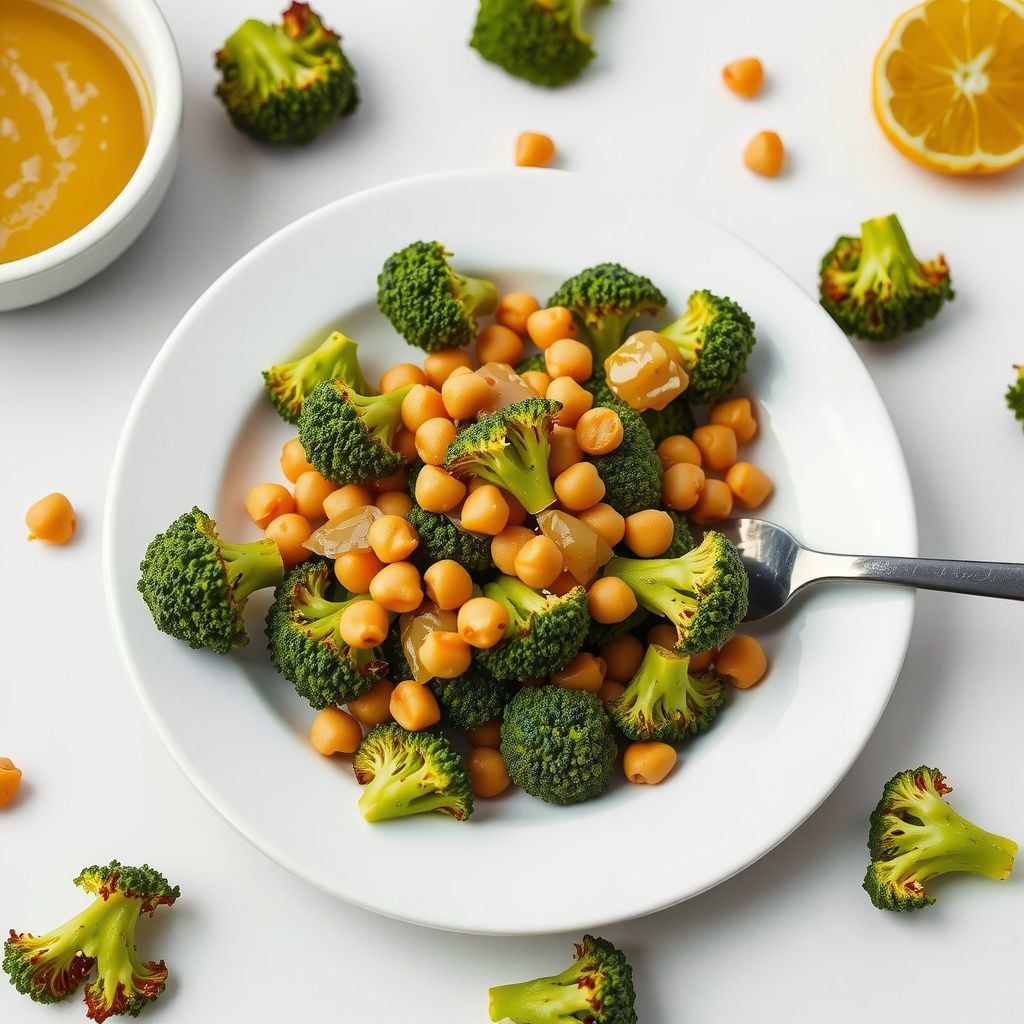
Warm Roasted Broccoli and Chickpea Salad with Mustard-Lemon Vinaigrette
35min
4
View Full Recipe →
Ready to simplify your meal planning?
Let OttoChef AI create personalized meal plans for your family — free to use, no credit card.