
Unlock the Digestive Benefits of Hing: The Low-FODMAP Garlic and Onion Substitute
Discover how hing (asafoetida) can replace garlic and onions in your cooking. Learn the culinary science, digestive benefits, and traditional blooming techniques.
Sarah Mitchell
Test Kitchen Director
August 18, 2026
5 min read
4 views
Many home cooks face a frustrating culinary dilemma: they want to build deep, savory base notes in their dishes, but garlic and onions trigger intense digestive discomfort. For those managing Irritable Bowel Syndrome (IBS), food sensitivities, or following a strict low-FODMAP diet, eliminating these allium staples can leave meals tasting flat and uninspired.
Fortunately, Indian culinary tradition has utilized a highly effective, gut-friendly alternative for thousands of years. Known as hing (or asafoetida), this unique spice delivers the savory, sulfurous depth of cooked garlic and onions without any of the digestive distress. Understanding how to use this potent ingredient can transform your low-FODMAP cooking from restrictive to remarkably flavorful.
What is Hing?
Hing is not a herb or a seed, but a dried gum-resin. It is harvested from the taproots of several species of Ferula, a giant fennel-like herb native to the high deserts of Afghanistan, Iran, and India.
What is Hing?
Hing, known in English as asafoetida, is a dried latex or gum-resin. In its raw form, it has a notoriously pungent, sulfurous odor. However, when bloomed in hot fat, it undergoes a chemical transformation to mimic the savory aroma of sauteed alliums.
Because raw hing resin is incredibly concentrated and difficult to work with, most retail hing is sold as a powder, blended with a starch (usually wheat or rice) and gum arabic to make it easily scoopable. It is a cornerstone of Indian vegetarian cookery, particularly in communities that historically avoid garlic and onions for religious or Ayurvedic dietary reasons.
The Science of FODMAPs and Hing
To understand why hing is such a valuable substitute, we have to look at the science of digestion. Garlic and onions are packed with fructans, a type of soluble fiber classified under FODMAPs (Fermentable Oligosaccharides, Disaccharides, Monosaccharides, and Polyols). Human enzymes cannot fully break down fructans, meaning they travel to the large intestine where gut bacteria ferment them, producing gas, bloating, and pain for sensitive individuals.
Because hing is a plant resin rather than an allium bulb, it contains absolutely no fructans. Furthermore, hing is culturally celebrated for its carminative properties—meaning it actively aids digestion and reduces gas production in the gut. This makes it an ideal companion for hard-to-digest foods like lentils, beans, and cruciferous vegetables.
“In traditional Ayurvedic medicine, hing is treated not just as a spice, but as an essential digestive aid that balances the heavy, gas-producing qualities of legumes and brassicas.”
Dr. Vasudha Gupta, Ayurvedic PractitionerCheck for Gluten!
Most commercial yellow hing powders contain wheat flour (maida) as an anti-caking agent. If you are celiac or highly gluten-sensitive, read labels carefully to find gluten-free brands that use rice flour or turmeric as a base, or purchase pure, uncompounded hing resin in lump form.
The Essential Technique: Blooming in Fat
You cannot use hing the same way you use garlic powder; you cannot simply sprinkle it over a finished salad or stir it into a cold soup. Raw hing is bitter, extremely pungent, and unpleasant. To unlock its savory potential, you must heat it in fat—a technique known in Indian cuisine as tempering, tadka, or chhonk.
Blooming hing in hot oil or ghee releases its fat-soluble flavor compounds, neutralizing the harsh sulfur notes and replacing them with a smooth, roasted-onion and leek profile.
Heat the Fat
Bring a stable cooking fat, such as ghee, neutral oil, or coconut oil, to medium heat in a pan.
Measure Moderately
Hing is incredibly potent. Use only a tiny pinch—about 1/16 to 1/8 of a teaspoon—for a standard four-serving dish.
Bloom the Hing
Drop the hing into the hot oil. It should sizzle immediately. Let it fry for 5 to 10 seconds until it releases a warm, toasted aroma. Do not let it turn brown or black, as burnt hing becomes permanently bitter.
Add Your Base Ingredients
Immediately stir in your other spices, vegetables, or liquids to lower the pan's temperature and stop the hing from scorching.
Incorporating Hing into Western Dishes
While hing is native to South Asian cuisine, its utility as an onion and garlic substitute means it can easily transition into Western cooking. It acts as an exceptional flavor foundation for various everyday dishes:
- Soups and Broths: Start your vegetable soups, minestrones, or broths by blooming a pinch of hing in oil before adding your carrots, celery, and water.
- Roasted Vegetables: Toss root vegetables or potatoes in oil bloomed with hing, salt, and black pepper before roasting.
- Pasta Sauces: Heat olive oil with a pinch of hing and a pinch of red pepper flakes before adding crushed tomatoes to create a rich, low-FODMAP marinara sauce.
The Substitution Ratio
As a general rule, substitute 1/8 teaspoon of compounded hing powder for every medium onion or two cloves of garlic called for in a recipe. Remember to add it during the oil-heating phase, not with the dry seasonings or liquids.
Buying and Storing Hing
When shopping for hing, you will likely find it at South Asian grocery stores or online retailers. It is typically sold in small, bright yellow plastic tubs.
Double-Seal Your Stash
Because raw, uncooked hing has a very strong aroma, store your jar inside a second airtight glass jar or a zip-top bag in your pantry. This prevents the sulfurous scent from migrating to your other spices and dry goods.
By keeping a small jar of hing in your pantry and mastering the quick art of blooming it in fat, you can enjoy flavorful, aromatic, and deeply satisfying meals without compromising your digestive health.
Try This Recipe
Now that you've learned about unlock the digestive benefits of hing: the low-fodmap garlic and onion substitute, put your knowledge into practice with this recipe:
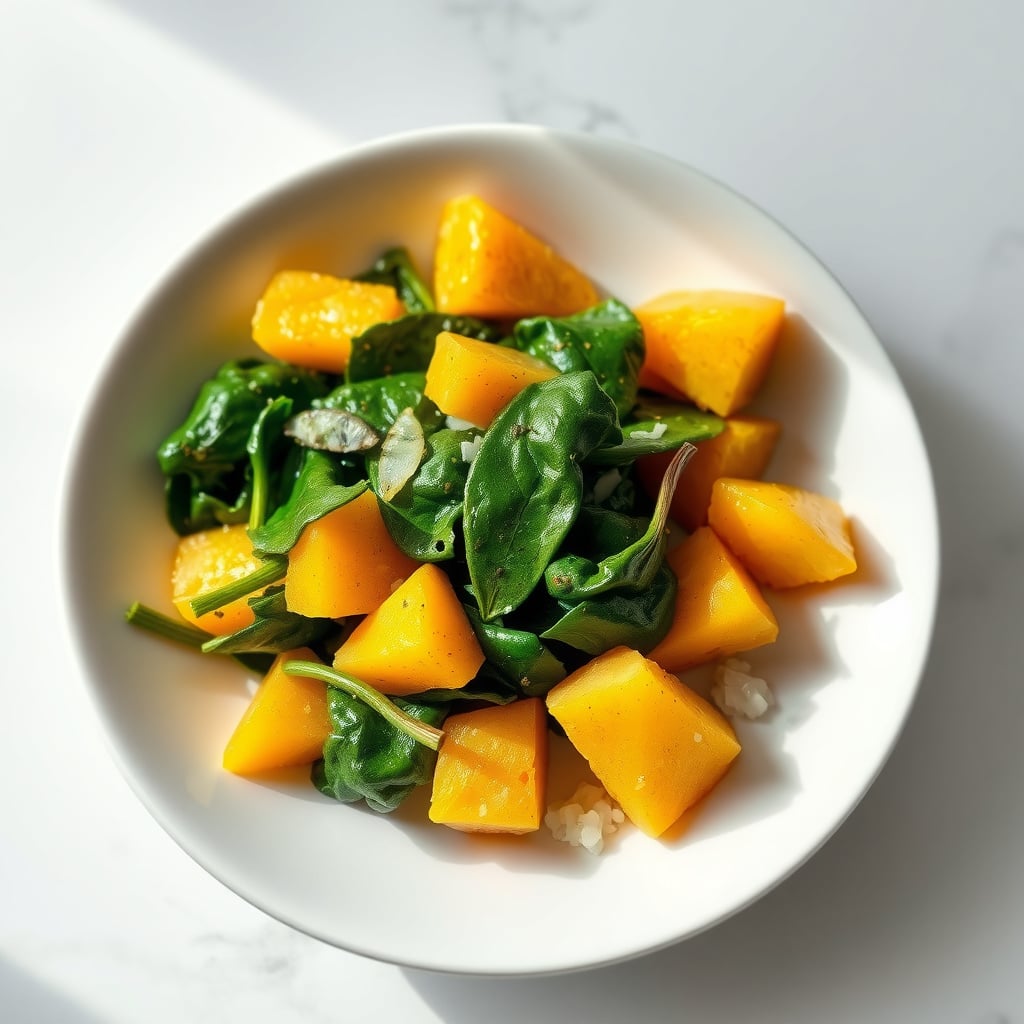
Hing-Tempered Aloo Palak (Spiced Potato and Spinach Lunch Bowl)
35min
4
View Full Recipe →
Ready to simplify your meal planning?
Let OttoChef AI create personalized meal plans for your family — free to use, no credit card.