
Transform Budget Frozen Shrimp with the Science of Alkaline Brining
Learn how to restore the snap-crisp texture of cheap frozen shrimp using a simple baking soda and salt brine. Perfect for budget-friendly home cooking.
Daniel Park
Culinary Contributor
September 12, 2026
4 min read
8 views
Frozen shrimp is an incredibly convenient, budget-friendly freezer staple. It is high in protein, quick to thaw, and accessible to almost any home cook. However, budget-friendly frozen shrimp often suffers from a major quality issue: once cooked, it can easily become mushy, watery, or rubbery.
Fortunately, you do not need to splurge on expensive, fresh-caught seafood to enjoy a restaurant-quality texture. The secret to transforming cheap frozen shrimp into plump, snap-crisp bites lies in a simple, scientific kitchen hack: alkaline brining. By spending just fifteen minutes on this prep step, you can elevate your budget meals to a whole new level.
The Chemistry of the "Snap"
To understand why alkaline brining works, we have to look at the structure of shrimp proteins. Shrimp muscle fibers are highly delicate. When heated, these proteins contract and squeeze out water. If they contract too much, the shrimp becomes dry, tough, and rubbery. If the shrimp was frozen improperly or stored for a long time, the cell walls may have broken down, leading to a mushy texture.
Baking soda (sodium bicarbonate) is an alkaline substance, meaning it has a high pH. When you treat shrimp with an alkaline solution, it alters the physical properties of the proteins on the shrimp's exterior.
The Cantonese Connection
In Cantonese cuisine, achieving a translucent, snappy texture (often described as *shuang* or "elastic") in shrimp is highly prized, particularly in dim sum classics like Har Gow (shrimp dumplings). While traditional Chinese chefs historically used alkaline lye water to achieve this, modern home cooks can get the exact same results using standard household baking soda.
Specifically, the raised pH prevents the protein chains from bonding too tightly when they cook. Because the proteins remain slightly relaxed, they hold onto their moisture instead of squeezing it out. The result is a shrimp that stays plump, juicy, and yields with a distinct, satisfying "snap" when you bite into it.
The Two-Ingredient Solution
You do not need any specialized equipment or expensive ingredients for this technique. All you need are two pantry staples: kosher salt and baking soda. The salt works through osmosis to season the shrimp and help retain moisture, while the baking soda alters the pH to create that signature crisp exterior.
“Understanding the chemistry of your ingredients turns budget constraints into culinary opportunities.”
OttoChef Culinary TeamHere is how to execute this technique perfectly at home.
Thaw and Dry
Thaw your frozen shrimp completely. The safest way is overnight in the refrigerator, but you can also place them in a colander under cold running water for 10 minutes. Once thawed, pat them thoroughly dry with paper towels. Excess water will dilute the brine.
Measure the Brine
For every pound of peeled and deveined shrimp, use 1 teaspoon of kosher salt and 1/4 teaspoon of baking soda. Toss the shrimp in a bowl with this dry mixture until they are evenly coated.
Let It Rest
Place the coated shrimp in the refrigerator to rest for 15 to 30 minutes. This gives the salt and baking soda enough time to penetrate the surface of the seafood.
Rinse and Dry Again
Rinse the shrimp thoroughly under cold running water to remove any excess baking soda, which can leave a metallic taste if left on. Pat them completely dry with paper towels once more before cooking.
Watch the Clock
Do not leave the shrimp in the alkaline brine for longer than 45 minutes. If left too long, the alkaline solution will break down the proteins too much, rendering the shrimp mushy and imparting an unpleasant, soapy chemical flavor. Less is more here!
Cooking Your Perfected Shrimp
Once your shrimp have been brined, rinsed, and dried, they are ready for the pan. Because of the alkaline treatment, these shrimp are much more forgiving of high heat. They will brown beautifully without drying out.
To get the most out of your treated shrimp, try a high-heat cooking method like searing or stir-frying.
The Dry Sear
To achieve a gorgeous golden crust on your shrimp, ensure your skillet is preheated over medium-high heat with a high-smoke-point oil. Because you patted the shrimp dry after rinsing, they will sear immediately upon hitting the pan rather than steaming in their own juices.
Cook the shrimp for only 1 to 2 minutes per side. As soon as they turn pink and opaque, remove them from the heat.
By incorporating this simple scientific technique into your meal prep routine, you can buy the most affordable bag of frozen shrimp in the freezer aisle and serve a meal that tastes like it came from a high-end seafood restaurant. Give it a try next time you prepare a stir-fry, pasta, or taco night!
Try This Recipe
Now that you've learned about using alkaline brining to restore the snap-crisp texture of budget frozen shrimp, put your knowledge into practice with this recipe:
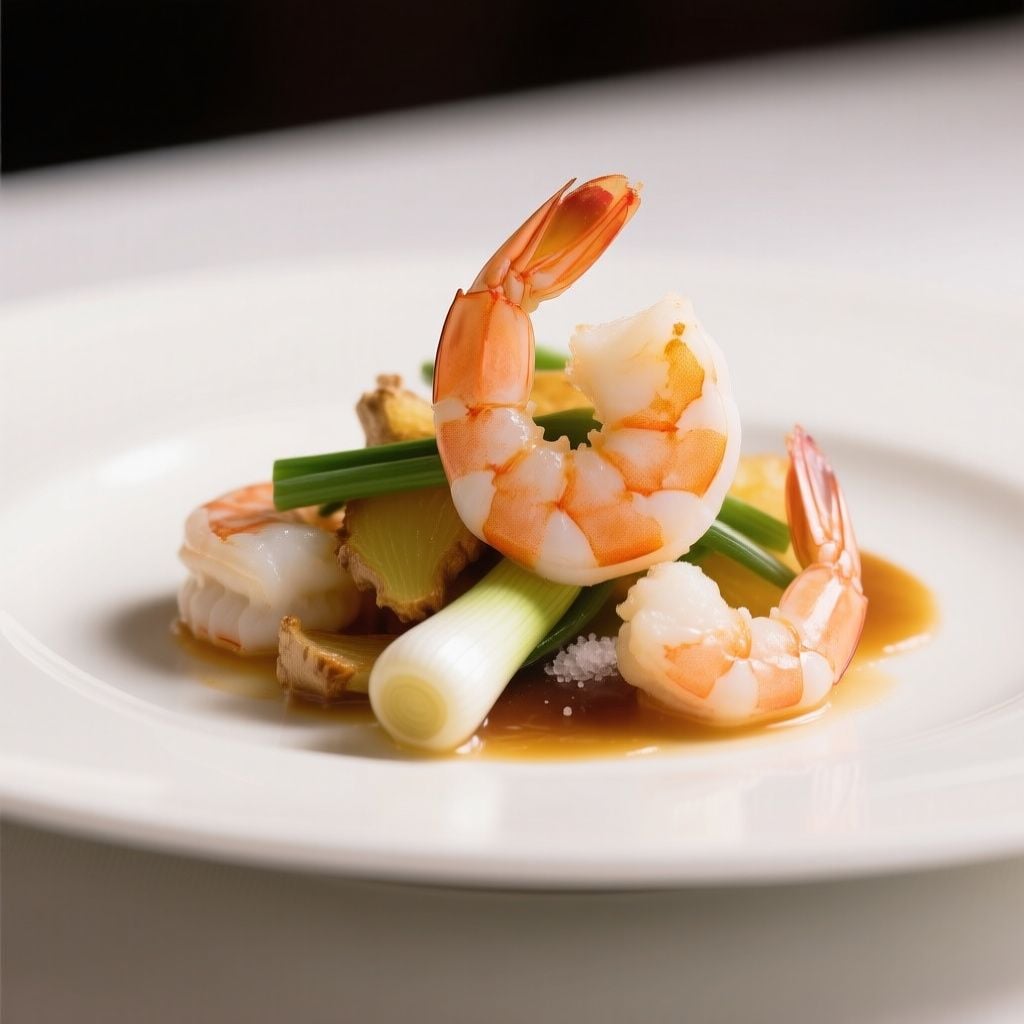
Snap-Crisp Cantonese Ginger Scallion Shrimp
40min
4
View Full Recipe →
Ready to simplify your meal planning?
Let OttoChef AI create personalized meal plans for your family — free to use, no credit card.