
The Three Trinities Method: Streamline Weeknight Cooking with Aromatic Bases
Learn how to master French Mirepoix, Cajun Holy Trinity, and East Asian aromatics to slash your weeknight meal prep time and build deeper culinary flavors.
Lily Nakamura
Recipe Editor
August 12, 2026
6 min read
4 views
Staring at a refrigerator full of random ingredients at 6:00 PM is a common hurdle for home cooks. You want to cook a deeply flavorful, home-cooked dinner, but the thought of washing, peeling, and dicing vegetables from scratch before you even turn on the stove often leads to ordering takeout. The secret to bypassing this prep bottleneck isn't buying pre-chopped, overpriced supermarket tubs. Instead, it lies in mastering the "Three Trinities" of regional cooking.
By understanding and batch-prepping these foundational aromatic bases, you can establish an efficient kitchen workflow that cuts your active cooking time in half while dramatically improving the depth of your dishes. Aromatics are the unsung heroes of the kitchen, providing the complex flavor backbones that define entire global cuisines.
Aromatics Defined
Aromatics are combinations of vegetables, herbs, and spices heated in fat (such as olive oil, butter, or lard) at the beginning of cooking. This process coaxes out fat-soluble volatile compounds, creating a savory foundation that water or stock alone cannot replicate.
Understanding the Three Classic Trinities
Almost every major culinary culture relies on a core trio of aromatic ingredients. By mastering three specific regional variations—the French Mirepoix, the Cajun Holy Trinity, and the East Asian Trinity—you gain the keys to unlock hundreds of distinct dishes.
1. The French Mirepoix
This is the starting point for Western classical cooking. Composed of onions, carrots, and celery, a traditional mirepoix uses a strict 2:1:1 ratio by weight (two parts onion to one part carrot and one part celery).
When cooked slowly over medium-low heat in butter or olive oil—a process known as "sweating"—the onions become sweet and translucent, the carrots release their natural sugars, and the celery provides a subtle, earthy salinity. This base forms the starting point for classic chicken noodle soup, beef stews, pot roasts, and rich pan sauces.
2. The Cajun Holy Trinity
Derived from the French Mirepoix but adapted to the landscape of Louisiana, the Cajun Holy Trinity replaces carrots with green bell peppers. Green bell peppers grow exceptionally well in the Gulf South and bring a sharp, slightly bitter, and herbaceous note to dishes.
While some home cooks use equal parts of each, the traditional Cajun ratio is 3:2:1 (three parts onion, two parts celery, and one part green bell pepper). Sweated in bacon fat, lard, or vegetable oil, this trinity forms the aromatic backbone of gumbos, jambalayas, étouffées, and red beans and rice.
3. The East Asian Trinity
While Western trinities rely heavily on bulky root and stalk vegetables, the East Asian aromatic base—frequently utilized in Chinese, Taiwanese, and Korean stir-fries—relies on a high-impact combination of scallions (green onions), ginger, and garlic.
Typically prepared in equal ratios, this base is cooked rapidly in a neutral, high-smoke-point oil. The white and light-green parts of the scallion are used at the start of cooking, while the dark green tops are reserved as a fresh garnish at the end. This trinity provides a sharp, spicy, and sulfurous punch that balances rich meats, soy sauces, and fermented pastes.
Watch the Garlic
Garlic and ginger burn much faster than onions, carrots, or celery due to their lower water content and high sugar levels. When using the East Asian trinity, add your minced garlic and ginger to the hot pan just 30 to 60 seconds before adding your primary ingredients, stirring constantly to prevent bitter, burnt notes.
“Understanding how regional aromatics function is like learning the grammar of cooking. Once you know the core structures, you can write your own culinary stories without needing a recipe script.”
Chef Marcus ChoThe Meal-Planning Strategy: Batch and Freeze
The true power of the Three Trinities method lies in prep-ahead meal planning. Instead of chopping a single onion, carrot, and celery rib every night, you can dedicate 30 minutes on Sunday to preparing large batches of these bases to use throughout the week.
Because these bases are cooked down at the start of your recipes, they are prime candidates for freezing. Freezing actually breaks down the plant cell walls, which means your pre-frozen aromatics will sweat and soften even faster on busy weeknights than fresh-cut vegetables.
Chop with Precision
Dice your vegetables to uniform sizes. For long-simmering dishes like stews, a medium dice (1/2 inch) is ideal. For quick weeknight sautés and stir-fries, aim for a fine dice (1/4 inch or smaller) to ensure quick, even cooking and maximum surface area exposure.
Portion and Flash-Freeze
Do not freeze your chopped vegetables in one giant clump. Instead, measure them into standard recipe portions (usually 1 or 2 cups) and lay them in a single layer on a parchment-lined baking sheet. Freeze for two hours until solid.
Pack and Label
Transfer the flash-frozen vegetables into airtight freezer bags, pressing out as much air as possible. Label with the name of the trinity, the date, and the portion size. They will keep perfectly in the freezer for up to three months.
The Ice Cube Tray Hack
For the East Asian trinity, finely mince or purée your ginger, garlic, and scallion whites with a touch of neutral oil. Pack this paste into silicone ice cube trays and freeze. On weeknights, simply pop one aromatic cube directly into your hot wok or skillet before adding your proteins and vegetables.
Putting the Method Into Practice
When you are ready to cook, there is no need to thaw your frozen aromatic bases. Simply heat your cooking fat of choice in a pan over medium heat, drop the frozen block of aromatics directly into the pan, and cover with a lid for two minutes. The steam will quickly thaw the vegetables, allowing them to release their moisture and begin sautéing in the fat.
By keeping these three distinct bases ready in your freezer, you can pivot your dinner plans instantly. If you want a comforting Italian pasta sauce, reach for the Mirepoix. If you want a spicy, warming stir-fry, grab the East Asian Trinity cube. If you want a cozy, spiced bean stew, drop in the Holy Trinity.
Embracing this regional approach to aromatic bases will not only elevate the flavor of your cooking but will also transform your meal-prep routine from a daily chore into a streamlined, creative system.
Try This Recipe
Now that you've learned about the "three trinities" method: streamlining weeknight dinners with regional aromatic bases, put your knowledge into practice with this recipe:
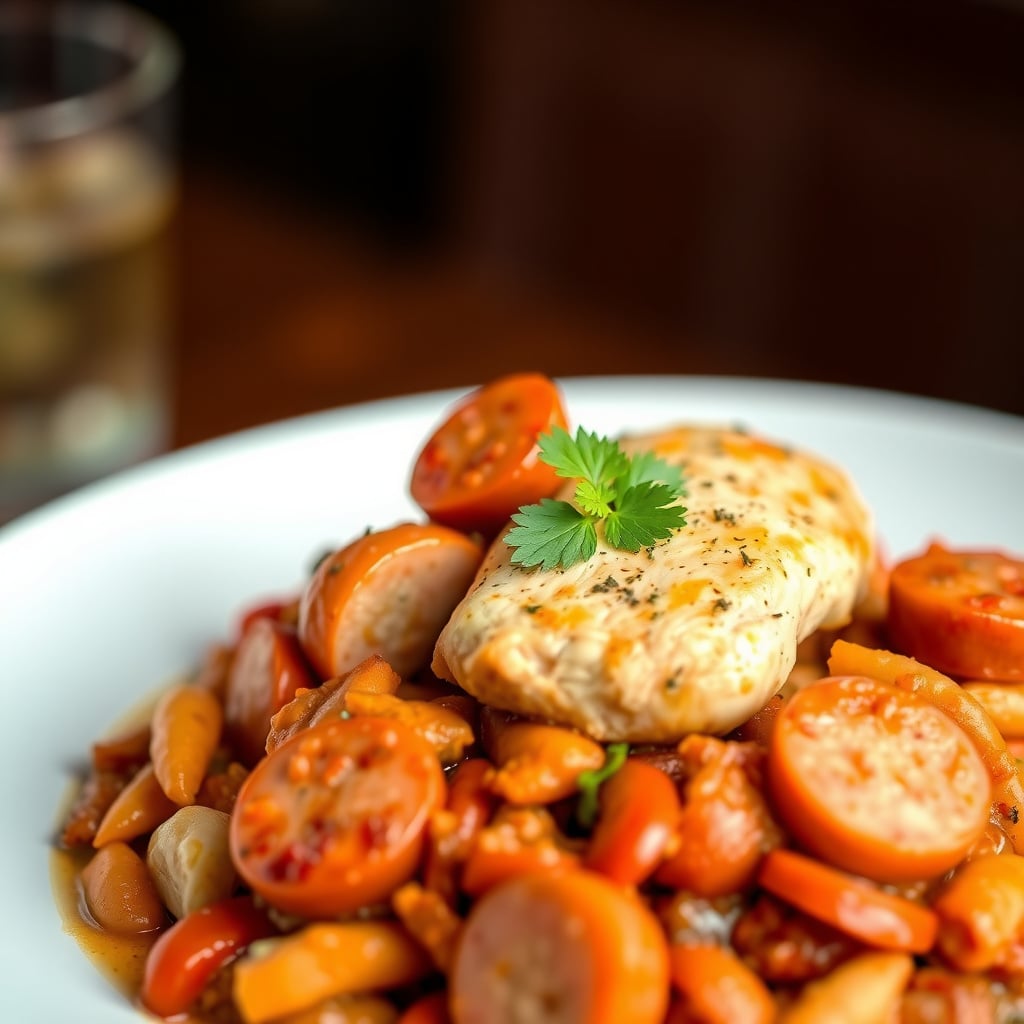
Weeknight Cajun Chicken and Andouille Jambalaya
65min
4
View Full Recipe →
Ready to simplify your meal planning?
Let OttoChef AI create personalized meal plans for your family — free to use, no credit card.