
The Three Pillars of Mexican Cuisine: Chiles, Corn, and Tradition
Master the fundamental ingredients and techniques of authentic Mexican cooking. Learn how chiles, corn, and traditional methods create the foundation of this ancient cuisine.
Daniel Park
Culinary Contributor
February 21, 2026
7 min read
6 views
Walk into any Mexican kitchen, from Oaxaca to Yucatán, and you'll find the same essential ingredients that have sustained this cuisine for thousands of years. Understanding these fundamentals transforms Mexican cooking from following recipes to truly grasping how flavors work together.
Mexican cuisine isn't about heat tolerance or heavy cheese—it's a sophisticated culinary tradition built on three foundational pillars: chiles, corn, and the time-honored techniques that bring them to life. Once you understand these core elements, you'll cook Mexican food with confidence and authenticity.
Understanding Chiles: Beyond the Heat
Chiles are to Mexican cuisine what wine is to French cooking: complex, varied, and absolutely essential. Mexico cultivates over 60 varieties of chiles, each contributing distinct flavors beyond simple spiciness.
Fresh vs. Dried Chiles
The same chile has different names and flavors when fresh versus dried. A fresh poblano becomes an ancho when dried. Fresh jalapeños become chipotles when smoked and dried. This isn't just preservation—it's flavor transformation.
The Scoville scale tells you heat level, but it doesn't explain why anchos taste fruity and sweet while guajillos bring tangy brightness. Learning to recognize these flavor profiles helps you choose the right chile for your dish.
Fresh chiles like poblanos, serranos, and jalapeños provide grassy, bright notes. Dried chiles—anchos, guajillos, chipotles, and pasillas—deliver deep, complex flavors ranging from raisin-like sweetness to smoky earthiness. The drying process concentrates sugars and develops entirely new flavor compounds.
Toasting Dried Chiles
Heat a dry comal or skillet over medium heat. Press dried chiles flat for 10-15 seconds per side until fragrant and slightly puffed. Don't let them blacken or they'll turn bitter. This step is non-negotiable for unlocking their full flavor potential.
Most traditional Mexican sauces start with rehydrating toasted dried chiles in hot water for 20-30 minutes, then blending them with other ingredients. The soaking liquid itself becomes a flavorful base—never discard it without tasting first.
"Chiles aren't just about heat—they're about building layers of flavor, from fruity and sweet to earthy and smoky."
Diana Kennedy, Mexican cuisine authorityCorn: The Sacred Foundation
Corn isn't merely an ingredient in Mexican cooking—it's the cultural and nutritional foundation of the cuisine. For over 9,000 years, corn has been cultivated, revered, and transformed through nixtamalization, an ancient process that remains essential today.
Nixtamalization involves cooking dried corn in an alkaline solution (traditionally lime water), which:
- Removes the tough outer hull
- Increases calcium and niacin availability
- Develops the distinctive flavor of masa
- Creates the right texture for tortillas and tamales
This isn't just historical trivia—it's why tortillas made from nixtamalized corn (masa harina) taste completely different from those made with regular cornmeal. The process fundamentally alters the corn's chemistry and flavor.
Masa Harina vs. Cornmeal
Masa harina is made from nixtamalized corn and tastes earthy with subtle mineral notes. Regular cornmeal is simply ground dried corn and lacks the complexity and proper texture for authentic tortillas and tamales. They're not interchangeable.
When shopping, look for masa harina (Maseca is widely available, but smaller brands often have better flavor). Fresh masa from Mexican groceries or tortillerías is worth seeking out for special dishes—it's more perishable but incomparably flavorful.
Beyond tortillas, corn appears throughout Mexican cuisine: pozole uses hominy (whole nixtamalized kernels), esquites showcases fresh corn kernels, and atole transforms masa into a comforting beverage.
Essential Techniques: The How Behind the What
Mexican cooking techniques have evolved over millennia, designed to maximize flavor from simple ingredients without modern conveniences.
Toasting and Grinding Spices
Toast whole cumin seeds, peppercorns, and cloves in a dry pan until fragrant, then grind fresh. Pre-ground spices lose volatile oils quickly—freshly ground spices provide exponentially more flavor.
Using the Comal
This flat griddle chars vegetables, toasts chiles and spices, and cooks tortillas. The dry, high heat creates char that adds smoky depth. If you don't have a comal, a cast-iron skillet or heavy pan works similarly.
Building Salsas
Most Mexican salsas start with charred or roasted ingredients—tomatoes, tomatillos, onions, garlic, chiles—then blended or ground. The charring isn't optional; it creates the foundational flavor.
The molcajete (volcanic stone mortar and pestle) isn't just traditional equipment—it creates different textures than a blender. The grinding action releases oils and creates a coarser, more integrated consistency. Many cooks use both: molcajete for salsas and guacamole, blender for larger-batch sauces.
Blender Caution
When blending hot ingredients, fill the blender only halfway and hold the lid down with a towel. Hot liquid expands and can blow the lid off, causing serious burns. Start on low speed and gradually increase.
The Supporting Cast: Essential Ingredients
While chiles and corn form the foundation, several other ingredients appear consistently across regional Mexican cuisines:
Tomatoes and Tomatillos: Tomatillos aren't green tomatoes—they're related but distinct, with bright, tart flavor. Remove the papery husk and rinse off the sticky residue before using. Roasting or boiling them before blending is standard.
Onions and Garlic: White onions are traditional (sweeter, milder than yellow). Garlic is often roasted in its skin on the comal before peeling and using, which mellows and sweetens it.
Cilantro: Love it or hate it, cilantro is ubiquitous. The stems contain as much flavor as the leaves—use them in salsas and sauces. Add fresh cilantro at the end of cooking to preserve its bright flavor.
Mexican Oregano: Different species from Mediterranean oregano, with a more citrusy, less minty flavor. It's worth finding the real thing at Mexican groceries or online.
Limes: Mexican limes (Key limes) are smaller and more aromatic than Persian limes. Use whatever's available, but know that lime juice should taste bright and fresh—bottled lime juice won't cut it.
Ingredient Substitutions
When authentic ingredients aren't available, understand what they contribute before substituting. Can't find Mexican oregano? Use half the amount of Mediterranean oregano plus a pinch of citrus zest. Missing epazote? A bit of oregano and cilantro approximates its role, though the flavor differs.
Regional Variations: One Cuisine, Many Expressions
Mexican cuisine isn't monolithic. Oaxaca is famous for seven types of mole and has its own cheese-making traditions. Yucatán cuisine shows Caribbean and Mayan influences with achiote paste and sour orange. Coastal regions feature more seafood. Northern states use more beef and wheat flour.
Understanding these regional differences helps you appreciate why certain ingredients pair together and how techniques vary. Oaxacan cooking often uses chocolate in savory dishes. Puebla is known for mole poblano and chiles en nogada. Veracruz-style dishes frequently include olives, capers, and tomatoes—Mediterranean influences from Spanish colonization.
This regional diversity means there's no single "authentic" way to prepare many dishes. Families and regions have their own versions, passed down through generations.
Putting It Into Practice
Start building your Mexican pantry gradually. You don't need everything at once:
Priority One: Masa harina, dried chiles (ancho, guajillo, chipotle), cumin, Mexican oregano, good quality lard or vegetable oil
Priority Two: Dried beans, canned tomatillos, white onions, fresh cilantro, limes
Priority Three: Piloncillo (unrefined cane sugar), Mexican chocolate, dried hominy, specialized chiles
Practice basic techniques before attempting complex dishes. Master toasting and rehydrating chiles. Get comfortable with a comal or heavy skillet for charring. Learn to make a simple salsa roja or verde. These skills form the foundation for everything else.
Learning Resources
Seek out Mexican cooks and food writers: Diana Kennedy's encyclopedic work, Rick Bayless's detailed techniques, Pati Jinich's regional explorations, and Gabriela Cámara's modern perspective all offer valuable insights. Watch how they handle ingredients and explain techniques.
The beauty of Mexican cuisine lies in its accessibility. Most dishes don't require expensive ingredients or complicated equipment—they require understanding the fundamentals and respecting the techniques that have evolved over thousands of years.
When you grasp how chiles build flavor, why nixtamalization matters, and how traditional techniques maximize taste, you're not just following recipes. You're participating in one of the world's oldest and most sophisticated culinary traditions. Start with these foundations, practice the basics, and you'll develop an intuitive understanding of how Mexican flavors work together.
Try This Recipe
Now that you've learned about the fundamentals of mexican cuisine: chiles, corn, and more, put your knowledge into practice with this recipe:
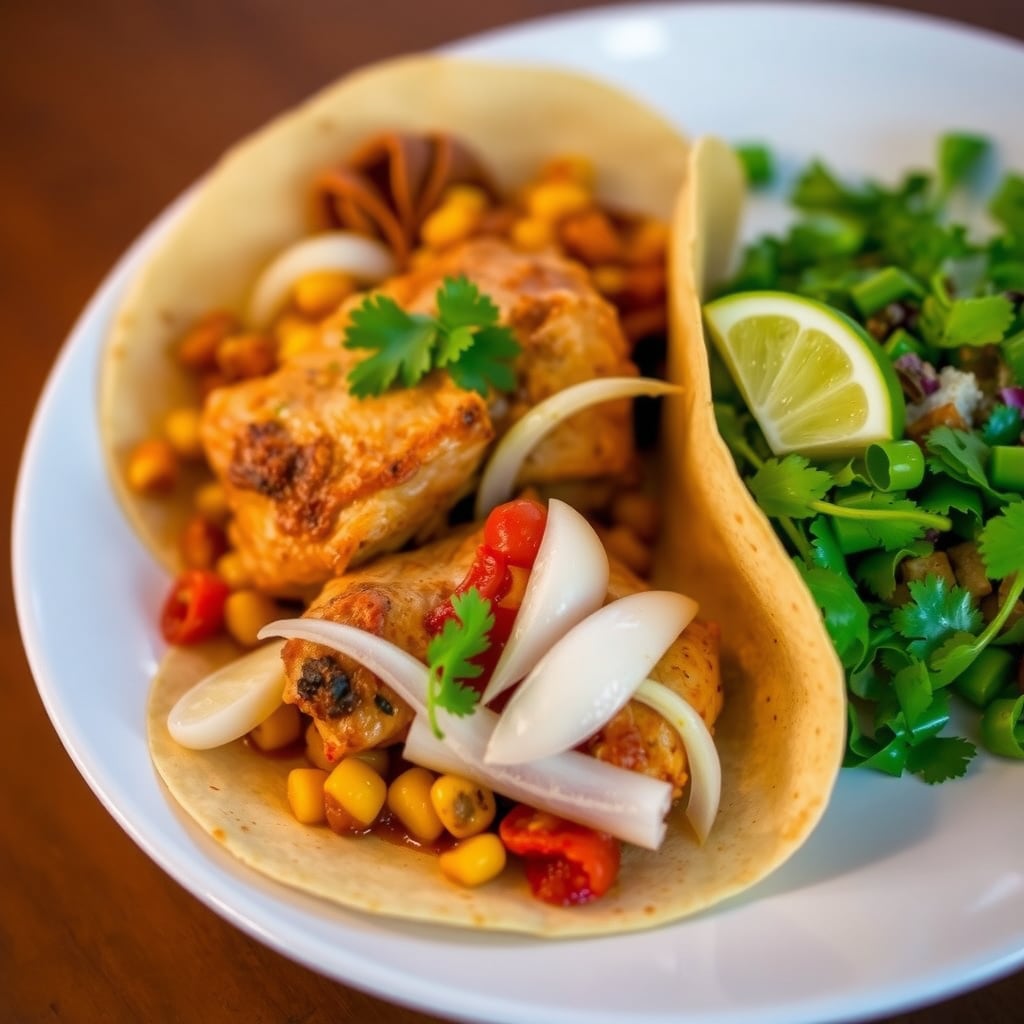
Chicken Tinga with Homemade Corn Tortillas
95min
4
View Full Recipe →
Ready to simplify your meal planning?
Let OttoChef AI create personalized meal plans for your family in seconds.