
The Ten-Minute Garlic Rule: Unlock Maximum Nutrition
Learn the science behind the ten-minute garlic rule. Discover how crushing and resting garlic maximizes allicin synthesis for peak nutritional value.
Daniel Park
Culinary Contributor
September 5, 2026
5 min read
8 views
Garlic is a foundational aromatic in kitchens worldwide, prized for the savory depth it lends to sauces, stir-fries, and roasted dishes. However, the way you prep this humble allium determines whether you actually absorb its most powerful health-promoting compound: allicin. If you chop garlic and immediately toss it into a hot pan, you miss out on its primary nutritional benefits.
Understanding the kitchen science behind garlic allows you to maximize its health potential without changing a single ingredient in your pantry. By implementing one simple workflow adjustment—the ten-minute garlic rule—you can ensure your meals are as nutritious as they are flavorful.
The Science of Allicin Synthesis
To understand why garlic needs to rest, we must look at its cellular structure. Intact garlic cloves do not actually contain allicin. Instead, they contain two separate components stored in different parts of the plant's cells: an amino acid called alliin and an enzyme called alliinase.
The Allicin Defense
Allicin is not a nutrient the garlic plant stores, but rather a defense mechanism. When a pest bites into a garlic clove, the ruptured cell walls allow alliin and alliinase to mix, creating the pungent, defense-oriented compound allicin.
When we slice, mince, or crush a garlic clove, we mimic this natural defense trigger. Rupturing the cell walls allows the enzyme and the amino acid to combine, initiating a chemical reaction that synthesizes allicin. Allicin is responsible for garlic's signature sharp aroma and is highly studied for its antioxidant, anti-inflammatory, and cardiovascular benefits.
However, there is a catch: the enzyme alliinase is highly sensitive to heat. If you expose garlic to heat immediately after chopping, the enzyme is deactivated before it can synthesize allicin. Once deactivated, the reaction cannot occur, and the potential nutritional benefits are permanently lost.
Heat is the Enemy of Unprotected Enzymes
Throwing freshly minced garlic directly into a hot pan immediately deactivates the alliinase enzyme, preventing allicin from ever forming. Always give the chemical reaction time to complete on your cutting board first.
The Ten-Minute Solution
Fortunately, there is an easy way to bypass this culinary roadblock. Once allicin is synthesized, it is significantly more stable and resistant to heat. By allowing your crushed or minced garlic to sit undisturbed on the cutting board for ten minutes before cooking, you give the alliinase enzyme ample time to convert the alliin into heat-stable allicin.
“Understanding the chemistry of your ingredients transforms cooking from a set of instructions into a conscious, health-promoting craft.”
OttoChef Culinary TeamAfter ten minutes of resting, you can sauté, roast, or simmer the garlic while preserving a substantial portion of its nutritional integrity.
How to Properly Prep Garlic for Peak Nutrition
To get the most out of this technique, your prep method matters. Slicing garlic creates minimal cell rupture, whereas crushing or grating creates maximum cellular damage, resulting in higher allicin production.
Smash the Clove
Place the flat side of a chef's knife over the garlic clove and press down firmly with the heel of your hand. This initial smash breaks open the tough outer cell walls.
Mince or Grate
Finely chop, mince, or run the garlic over a microplane. Grating creates the highest level of cellular disruption, yielding the most potent allicin synthesis.
The Ten-Minute Rest
Leave the prepped garlic undisturbed on your cutting board for a full ten minutes. Use this time to prep the rest of your ingredients, such as chopping onions or measuring spices.
Integrating the Rule Into Your Prep Routine
Adopting this rule does not need to slow down your cooking. The key is shifting your prep order. Many home cooks prepare garlic last because it cooks quickly and burns easily. By changing your mise en place routine, you can make the ten-minute rule effortless.
Make garlic the very first ingredient you prep when you step into the kitchen. Once your garlic is crushed and resting on the board, move on to washing vegetables, slicing proteins, or heating your pans. By the time your other prep is complete, the ten minutes will have naturally passed, and your garlic will be chemically ready for the heat.
Acid Blocks the Reaction Too
Just like heat, strong acids like lemon juice, lime juice, or vinegar can deactivate the alliinase enzyme. If you are making a raw vinaigrette or marinade, let your crushed garlic rest for ten minutes before mixing it with acidic liquids.
Culinary Application and Flavor Profiles
Beyond nutrition, the ten-minute rule also influences the flavor profile of your dishes. Allowing the chemical reaction to fully occur yields a more robust, complex garlic flavor.
If a recipe calls for raw garlic (such as in Tzatziki, hummus, or Caesar dressing) and you prefer a milder, less aggressive bite, you can actually use this science in reverse. Whisking freshly grated garlic directly into an acidic liquid like lemon juice immediately halts allicin production, keeping the garlic flavor bright and sharp without the lingering, fiery burn.
By understanding how heat, acid, and mechanical damage affect garlic at a cellular level, you gain complete control over both the health benefits and the flavor dynamics of your cooking. Incorporate this ten-minute resting window into your daily routine to elevate your home-cooked meals.
Try This Recipe
Now that you've learned about the ten-minute garlic rule: crushing and resting to maximize allicin synthesis, put your knowledge into practice with this recipe:
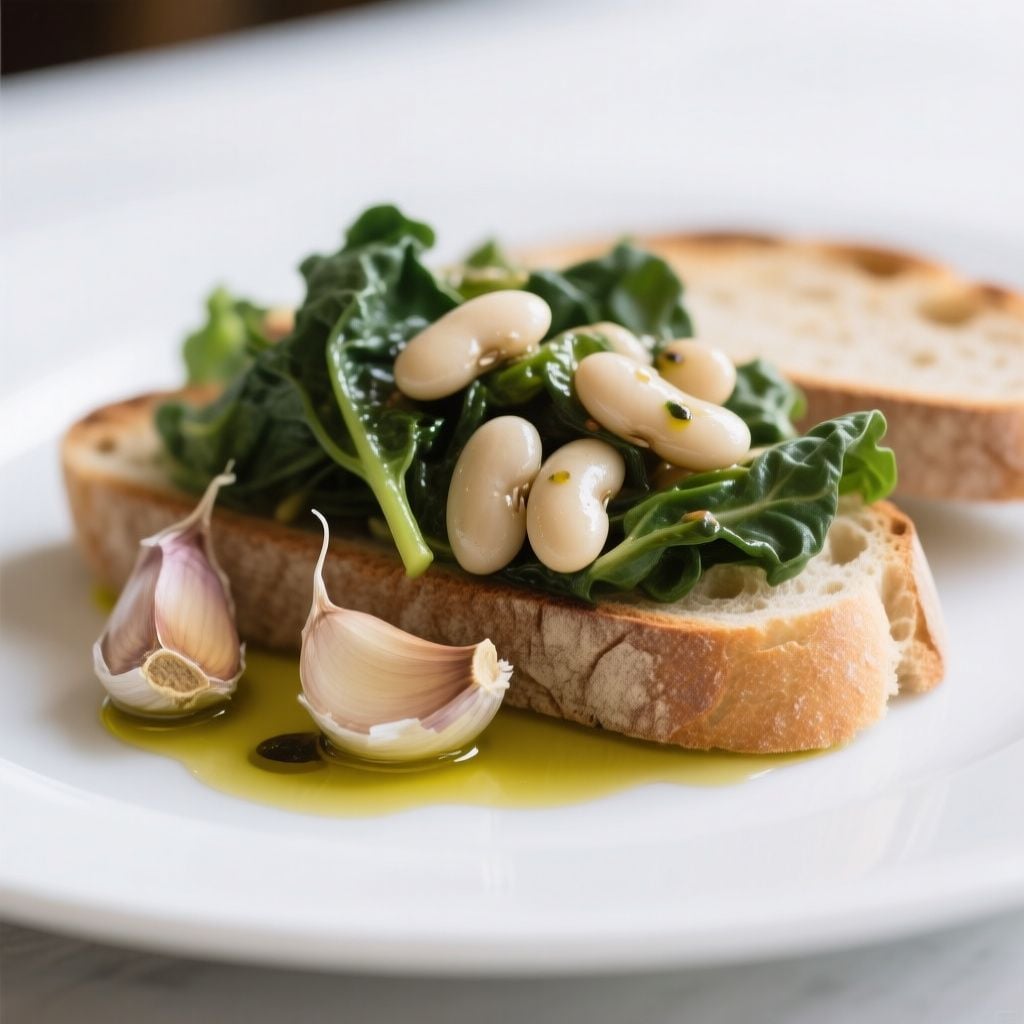
Tuscan Garlic and White Bean Toast with Wilted Greens
25min
2
View Full Recipe →
Ready to simplify your meal planning?
Let OttoChef AI create personalized meal plans for your family — free to use, no credit card.