
The Strategic Prep Guide: Ingredients That Transform Weeknight Cooking
Learn which make-ahead ingredients professional chefs prep on Sundays to cook restaurant-quality meals in 20 minutes on busy weeknights.
James Okonkwo
Food Writer
April 12, 2026
8 min read
4 views
The difference between a stressful weeknight scramble and a calm, satisfying cooking session often comes down to what's already prepped in your refrigerator. While many home cooks focus on batch-cooking complete meals, professional chefs know the real secret: preparing foundational ingredients that become building blocks for multiple dishes throughout the week.
This approach offers far more flexibility than meal prep containers. Instead of committing to Thursday's dinner on Sunday, you're creating a toolkit of ready-to-deploy ingredients that adapt to your actual appetite, schedule, and what looks good at the market mid-week. The result? You cook fresh meals in the time it takes to reheat leftovers, with none of the repetition fatigue.
The Foundation Layer: Aromatics and Flavor Bases
Every cuisine builds flavor from aromatics—the onions, garlic, ginger, and herbs that form the foundation of most dishes. Prepping these in advance eliminates the most tedious part of weeknight cooking.
The 10-Minute Mirepoix
Dice 3 onions, 4 carrots, and 4 celery stalks. Store in an airtight container for up to 5 days. This French trinity becomes the base for soups, braises, pasta sauces, and grain bowls. Two cups of mirepoix sautéed in olive oil creates an instant flavor foundation.
Minced garlic and ginger deserve special attention. While jarred versions exist, fresh aromatics deliver incomparably better flavor. Peel and mince a full head of garlic and a hand-sized piece of ginger, then store each separately in small containers covered with a thin layer of neutral oil. The oil prevents oxidation and the aromatics stay fresh for two weeks. You'll use these constantly—in stir-fries, marinades, dressings, and sauces.
Herb pastes represent another level of prep efficiency. Blend cilantro stems and leaves with garlic, lime juice, and olive oil for a versatile green sauce. Make a parsley-lemon-caper paste for finishing fish or chicken. These concentrated flavor bombs keep for a week and transform simple proteins into restaurant-worthy dishes with a single spoonful.
The Freezer Advantage
Freeze herb pastes in ice cube trays, then pop out and store in freezer bags. Each cube equals about one tablespoon—perfect portion control that lasts three months. This works brilliantly for Thai curry pastes, Italian soffritto, and Latin American recaito.
Proteins: Strategic Prep Without Overcooking
The biggest meal prep mistake is fully cooking proteins on Sunday. Reheated chicken breast is nobody's idea of delicious. Instead, prep proteins to a point where they need just minutes of final cooking.
Marinate and Portion
Cut proteins into portion sizes and marinate in zip-top bags. Chicken thighs in yogurt-spice marinade, pork tenderloin in soy-ginger, shrimp in garlic-herb oil. Marinating for 2-5 days actually improves flavor and tenderness.
Par-Cook Dense Proteins
For tougher cuts, braise or slow-cook until 80% done, then refrigerate in cooking liquid. Finish with a quick sear or simmer when ready to serve. This works perfectly for short ribs, pork shoulder, or lamb shanks.
Prep for Quick Cooking
Pound chicken breasts to even thickness, butterfly thick chops, or cut proteins into stir-fry strips. This prep work means your proteins cook in 5-8 minutes instead of 15-20.
Ground meat benefits from pre-seasoning and forming. Brown ground beef with onions, garlic, and basic seasonings, then refrigerate. This becomes taco filling, pasta sauce base, or stuffed pepper filling with just a few additional ingredients. Alternatively, form meatballs or burger patties and refrigerate raw—they cook faster from a shaped state.
"Prep is not about cooking everything in advance. It's about eliminating decision fatigue and tedious tasks so you can actually enjoy cooking on Tuesday night."
Chef Samin NosratGrains, Legumes, and Starches: The Meal Extenders
Properly cooked grains and legumes refrigerate beautifully and reheat without quality loss—unlike proteins. These become the canvas for quick meals.
Cook a large batch of rice, farro, quinoa, or barley. Store in portion-sized containers. These stay fresh for five days and reheat in minutes with a splash of water. Even better: slightly undercook them by 2-3 minutes. They'll finish cooking perfectly when reheated, maintaining better texture.
The Rice Safety Rule
Cool cooked rice quickly (spread on a baking sheet) and refrigerate within one hour. Rice can harbor Bacillus cereus bacteria if left at room temperature too long. Reheat to steaming hot (165°F) before eating.
Dried beans cooked from scratch offer superior flavor and texture to canned versions. Cook a pound of chickpeas, black beans, or white beans in a pressure cooker or on the stovetop with aromatics. Portion the beans with some cooking liquid—this keeps them moist and flavorful. They'll last a week refrigerated or three months frozen.
Pre-roasted or boiled potatoes open countless possibilities. Roast cubed potatoes with olive oil until golden, or boil whole potatoes until just tender. Cold potatoes make superior hash browns (the starch converts to resistant starch when cooled, creating better crust). They also become potato salad, smashed potatoes, or quick soup additions.
Vegetables: Prep Smart, Not Early
Vegetable prep requires more nuance. Some vegetables benefit from advance prep, while others deteriorate rapidly when cut.
Prep-friendly vegetables:
- Hearty greens (kale, collards, chard): Wash, dry thoroughly, remove stems, and chop. Store in containers with paper towels for up to 5 days
- Root vegetables (carrots, beets, turnips): Peel and cut into desired shapes. Store in water (change daily) for up to 4 days
- Cruciferous vegetables (broccoli, cauliflower): Cut into florets and store dry for 3-4 days
- Winter squash: Peel, seed, and cube. These actually improve after a day as surface moisture evaporates, leading to better caramelization
The Blanch-and-Shock Method
For green beans, asparagus, and snap peas, blanch in boiling salted water for 1-2 minutes, then plunge into ice water. Drain thoroughly and store. This sets the color, partially cooks the vegetables, and means they need just 2-3 minutes of final cooking in a hot pan or steamer.
Avoid pre-cutting:
- Bell peppers (oxidize and become slimy)
- Mushrooms (absorb moisture and turn soggy)
- Zucchini and summer squash (release too much water)
- Tomatoes (lose structure and flavor)
For these vegetables, the prep work is simply washing and having them visible in your refrigerator. Cutting them takes 30 seconds—not worth the quality loss.
Sauces and Condiments: Instant Flavor Complexity
Homemade sauces elevate simple ingredients into complete meals. Unlike store-bought versions, you control salt, sugar, and quality.
A basic vinaigrette multiplies into endless variations. Make a master batch with good olive oil, vinegar, Dijon mustard, minced shallot, salt, and pepper. Store in a jar and shake before using. This becomes salad dressing, marinade, vegetable glaze, or grain bowl sauce. Add fresh herbs, citrus zest, or different vinegars to create variations throughout the week.
The Sauce Ratio Secret
Master this universal sauce ratio: 3 parts oil to 1 part acid (vinegar or citrus), plus emulsifier (mustard, miso, or tahini). This formula works for vinaigrettes, marinades, and light sauces. Adjust from there based on taste.
Tomato sauce benefits enormously from advance preparation. Simmer canned San Marzano tomatoes with garlic, olive oil, and basil for 30 minutes. This base sauce becomes pizza sauce, pasta sauce, shakshuka base, or braising liquid. It improves over several days as flavors meld.
Asian-inspired sauces keep for weeks and add instant complexity. Mix soy sauce, rice vinegar, sesame oil, grated ginger, and a touch of honey for a versatile stir-fry sauce. Blend miso paste with mirin, sake, and sugar for a glaze that works on salmon, eggplant, or chicken. These concentrated sauces mean you're always 10 minutes away from a flavorful meal.
The Weekly Prep Routine
Successful ingredient prep requires a system, not sporadic effort. Dedicate 90 minutes on your least busy day (Sunday works for many people, but choose what fits your schedule).
The efficient sequence:
- Start rice/grains/beans (these take longest and need minimal attention)
- Prep aromatics while grains cook
- Wash and prep vegetables
- Marinate proteins
- Make one or two sauces
- Portion and store everything clearly
The Clear Container Rule
Use clear, stackable containers and label everything with prep date. Keep prepped ingredients at eye level in your refrigerator. If you can't see it, you won't use it. Arrange ingredients by use-by date, with the oldest items most visible.
This approach transforms your refrigerator into a personal mise en place station. On Tuesday night, you're not starting from scratch—you're assembling pre-prepped components into a fresh meal. Marinated chicken thighs hit a hot pan, pre-cut broccoli gets a quick steam, cooked farro reheats with a splash of broth, and herb paste finishes everything with bright flavor. Total active cooking time? Twelve minutes.
The beauty of ingredient-focused prep is flexibility. Plans change. You're not stuck eating predetermined meals. You have the components to make what sounds good in the moment, adapted to who's eating and how much time you have. That's not meal prep—that's meal freedom.
Try This Recipe
Now that you've learned about prep-ahead ingredients that make weeknight cooking effortless, put your knowledge into practice with this recipe:
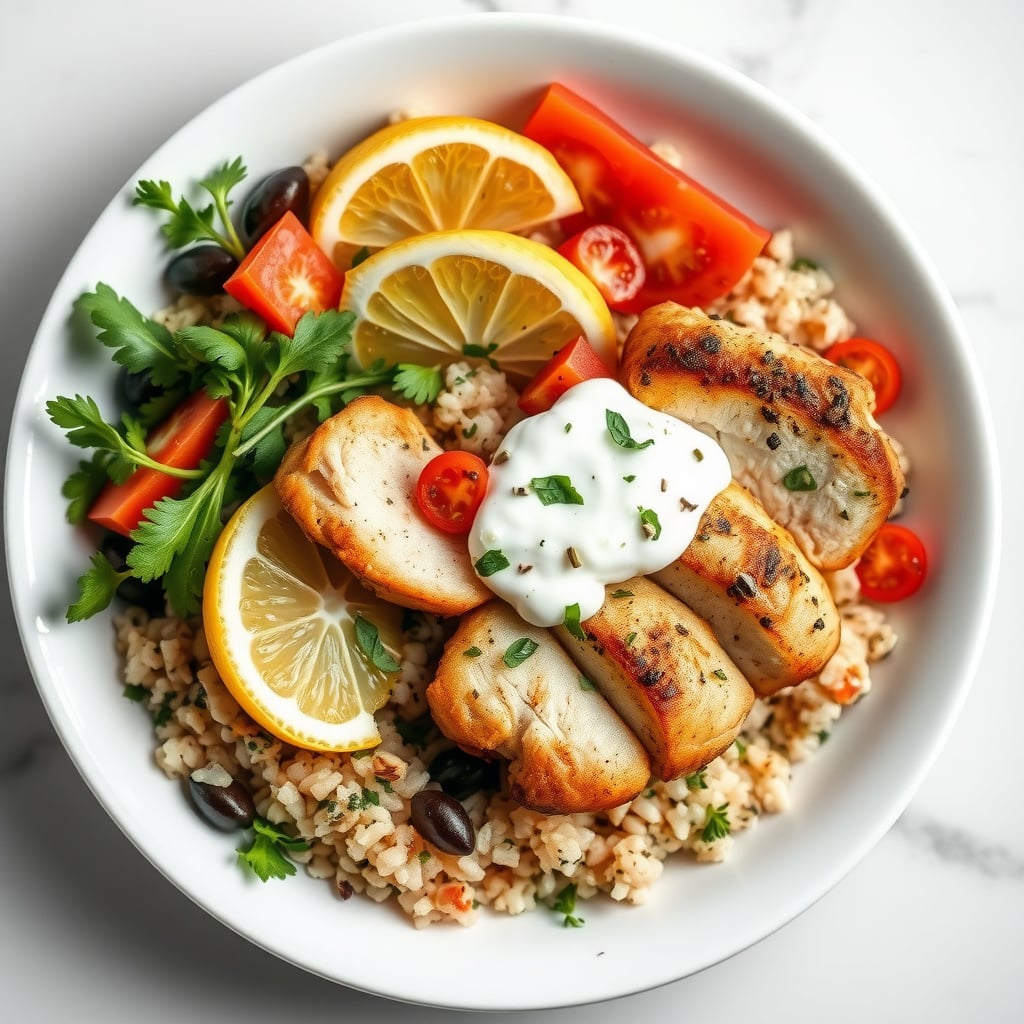
Mediterranean Grain Bowl with Herb-Marinated Chicken
35min
4
View Full Recipe →
Ready to simplify your meal planning?
Let OttoChef AI create personalized meal plans for your family in seconds.