
The Smart Bulk Buying Guide: What Saves Money and What Wastes It
Learn which foods are worth buying in bulk and which aren't. Expert advice on storage, shelf life, and maximizing your bulk buying budget without waste.
Marcus Rivera
Culinary Editor
February 25, 2026
9 min read
5 views
Walk into any warehouse store and the promise seems irresistible: massive packages at rock-bottom per-unit prices. But here's the uncomfortable truth most shoppers learn the hard way—buying in bulk only saves money if you actually use what you buy. That "bargain" 10-pound bag of fresh spinach isn't a deal when half of it turns to slime in your crisper drawer.
The key to successful bulk buying isn't about buying more—it's about buying smarter. After years of tracking household food costs and waste patterns, certain items consistently prove their worth in larger quantities, while others are financial traps disguised as savings.
The Mathematics of Bulk Buying
Before we dive into specific items, understand the calculation that determines whether bulk buying makes sense. The unit price (cost per ounce, pound, or item) tells only part of the story. The real equation includes three factors: unit cost savings, storage requirements, and realistic consumption rate.
A 25-pound bag of rice at $0.40 per pound versus a 2-pound bag at $1.50 per pound represents $27.50 in savings. But that same 25-pound bag of fresh strawberries? You'll throw away $30 worth before you finish them.
The 30-Day Rule
Only buy bulk quantities of items you'll completely use within 30 days for fresh goods, or within 6-12 months for shelf-stable items. If you can't finish it in that timeframe, the "savings" become waste.
The Clear Winners: Always Buy These in Bulk
Dried Goods and Grains
Rice, dried beans, lentils, pasta, and oats are the undisputed champions of bulk buying. These items have shelf lives measured in years when stored properly, offer substantial per-pound savings (often 50-70% less than small packages), and form the foundation of countless meals.
A 20-pound bag of basmati rice costs roughly $20-25 at warehouse stores—about $1-1.25 per pound. Compare that to the $3-4 per pound you'll pay for small bags at conventional grocery stores. For a household that eats rice three times weekly, that's $60-80 in annual savings from one purchase.
Frozen Vegetables
Here's where bulk buying outsmarts fresh produce. A 5-pound bag of frozen broccoli costs $6-8 at warehouse stores versus $2-3 per pound for smaller bags. Frozen vegetables are picked at peak ripeness and flash-frozen, locking in nutrients. They don't spoil, don't require immediate use, and often contain more vitamins than "fresh" produce that's been sitting in transport and on shelves for days.
Flash Freezing Facts
Commercial flash freezing happens at -40°F within hours of harvest, forming tiny ice crystals that preserve cell structure. This is why properly frozen vegetables often have better texture than home-frozen ones.
Spices and Dried Herbs
Those tiny jars of spices at grocery stores are highway robbery—sometimes $8-12 per ounce. Ethnic grocery stores and bulk sections sell the same spices for $2-4 per pound. Yes, per pound. A $15 investment in bulk cumin, paprika, turmeric, and coriander will last a year and save you hundreds compared to buying small jars.
Store bulk spices in airtight containers away from light and heat. They'll maintain potency for 1-2 years for ground spices, 2-3 years for whole spices.
Oils for Cooking
Neutral cooking oils like canola, vegetable, or grapeseed oil in large containers (1-3 gallons) offer significant savings if you cook frequently. A gallon of canola oil at $12-15 versus buying four quarts at $6-7 each saves $10-13 per gallon.
The caveat: cooking oils do oxidize and go rancid. Buy bulk quantities only if you'll use them within 6-8 months. Store in a cool, dark place and sniff before using—rancid oil smells like crayons or old nuts.
"Buying in bulk only saves money if you use what you buy. The goal isn't to buy more—it's to buy smarter."
Food Economics PrincipleThe Conditional Buys: Proceed with Caution
Nuts and Seeds
Bulk nuts offer 40-60% savings, but their high fat content means they go rancid faster than you'd expect. Raw nuts last 3-6 months at room temperature, 6-12 months refrigerated, or up to a year frozen.
The strategy: Buy bulk quantities only if you have freezer space. Portion them into smaller containers, keeping one in the pantry for current use and the rest frozen. This works brilliantly for regular nut consumers but fails for occasional users.
Flour and Baking Supplies
All-purpose flour in 25-50 pound bags costs about $0.30-0.40 per pound versus $0.80-1.20 for small bags. But flour attracts pantry moths and can absorb odors. Unless you bake several times weekly, stick to 5-10 pound bags.
Whole grain flours (whole wheat, rye, etc.) contain oils that go rancid within 3-4 months at room temperature. Buy these in smaller quantities or store in the freezer.
The Pantry Moth Problem
Bulk grains and flours can harbor pantry moth eggs. Prevent infestations by freezing bulk purchases for 3-4 days immediately after buying, then transferring to airtight containers. This kills any eggs before they hatch.
Cheese
Hard cheeses like cheddar, parmesan, and gouda in large blocks cost 30-40% less per pound than pre-shredded versions. The catch: you need to shred or cut them yourself, and they dry out if not wrapped properly.
Buy bulk cheese blocks if you use cheese regularly and don't mind 10 minutes of prep work. Wrap tightly in wax paper, then plastic wrap, and store in the warmest part of your refrigerator (usually the door). Properly stored hard cheese lasts 3-4 weeks after opening.
Meat and Poultry
Family packs of chicken thighs, ground beef, or pork shoulder offer substantial per-pound savings—often $1-2 less than smaller packages. But this only works if you have freezer space and a system for portioning and dating.
The moment you get home, divide bulk meat into meal-sized portions, wrap tightly in plastic wrap, then aluminum foil, label with contents and date, and freeze immediately. Most meats maintain quality for 3-4 months frozen, ground meat for 2-3 months.
The Freezer Burn Solution
Freezer burn happens when air reaches frozen food. Prevent it by pressing plastic wrap directly onto meat surfaces before wrapping in foil. For extra protection, place wrapped portions in freezer bags with air pressed out.
The Skip-Its: Never Worth Buying in Bulk
Fresh Produce
Unless you're feeding a crowd immediately, bulk fresh produce is a waste trap. That 10-pound bag of carrots seems economical until you're throwing away 4 pounds of slimy vegetables. The exception: produce you'll immediately process—buying 20 pounds of tomatoes to make sauce, for example.
Even sturdy produce like potatoes and onions have limits. Buy only what you'll consume within 1-2 weeks.
Condiments and Sauces
That gallon jug of mayonnaise might cost less per ounce, but mayo quality degrades and separation occurs after 2-3 months refrigerated. Most condiments contain preservatives that extend shelf life, but once opened, they're racing against oxidation and contamination.
Buy regular-sized condiments unless you operate a restaurant. The "savings" from bulk ketchup, mustard, or salad dressing rarely exceed $3-5, and you'll likely discard the last third of the container.
Baking Powder and Baking Soda
These leavening agents lose potency over time. Baking powder becomes ineffective after 6-12 months, baking soda after about a year. The bulk container seems economical, but your baked goods will suffer when the leavening power diminishes. Stick to regular-sized containers and test before using (baking powder fizzes in hot water, baking soda fizzes in vinegar).
Pre-Made or Convenience Foods
Massive boxes of granola bars, crackers, or snack foods only save money if your household actually wants to eat 60 of the same snack bar. Food fatigue is real—what seems appealing in week one becomes unbearable by week eight.
These items also tend to go stale once opened. Unless you're packing daily lunch boxes for multiple children, conventional package sizes make more sense.
The Psychology of Bulk
Studies show people consume 20-25% more of a food when they buy it in bulk because the large quantity creates a sense of abundance. Factor this "consumption creep" into your calculations—you might eat more simply because you have more.
Storage Solutions That Make Bulk Buying Work
Successful bulk buying requires proper storage infrastructure. Without it, you're just moving food from the store to your trash can.
Airtight Containers
Invest in quality airtight containers for dry goods. Glass jars with rubber gaskets or heavy-duty plastic containers with locking lids protect against moisture, pests, and staleness. Label everything with contents and purchase date.
Freezer Organization
A disorganized freezer is where bulk purchases go to die. Use a system: flat-freeze items in labeled bags, stack them vertically like files, and keep an inventory list on the freezer door. This prevents "I forgot I had that" waste.
Cool, Dark, Dry Storage
Bulk dry goods need protection from heat, light, and humidity. A basement or pantry away from appliances works best. Avoid storing bulk items above the stove, near the dishwasher, or in direct sunlight.
The Bottom Line on Bulk Economics
Smart bulk buying can reduce grocery costs by 25-35% annually for a family of four—that's $1,500-2,000 in savings. But those savings only materialize when you buy the right items, store them properly, and actually use them.
Start small. Begin with one or two categories where you're confident you'll use everything—perhaps rice and frozen vegetables. Track your consumption for a month. If those bulk purchases work well, gradually expand to other categories.
The goal isn't to transform your home into a warehouse. It's to strategically buy larger quantities of items you use regularly, store them properly, and enjoy both the cost savings and the convenience of always having staples on hand.
The Three-Month Test
Before committing to bulk sizes, buy regular quantities and track exactly how much you use in three months. Then calculate whether bulk quantities make sense based on your actual consumption, not optimistic estimates.
Try This Recipe
Now that you've learned about the bulk buying guide: what's worth it and what's not, put your knowledge into practice with this recipe:
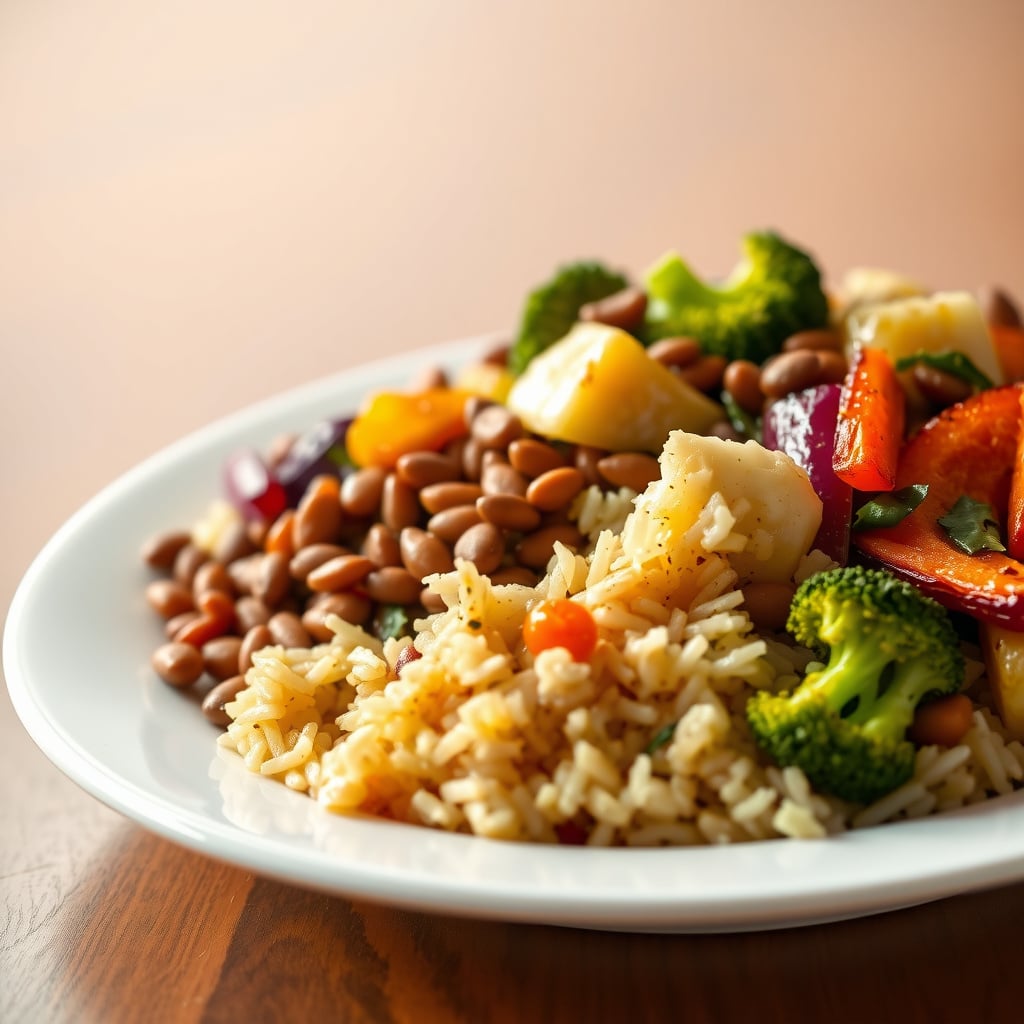
One-Pot Spiced Lentil and Rice Pilaf with Roasted Frozen Vegetables
60min
4
View Full Recipe →
Ready to simplify your meal planning?
Let OttoChef AI create personalized meal plans for your family in seconds.