
The Science of Toasting Dry Pasta: Unlock Deep Maillard Flavors
Learn how to transform budget-friendly dry pasta by unlocking rich, nutty Maillard flavors through the simple, professional technique of dry-toasting.
Sarah Mitchell
Test Kitchen Director
August 25, 2026
6 min read
8 views
Cooking on a budget often feels like a compromise between wallet-friendly ingredients and deep, complex flavors. Dry pasta is the ultimate budget staple, but boiling it in water yields a familiar, sometimes monotonous profile. To elevate this pantry hero without spending extra money, you only need to change how you introduce it to heat. By dry-toasting your pasta before boiling or simmering it, you unlock a completely new spectrum of nutty, savory aromas.
This technique doesn't require expensive ingredients, specialty equipment, or advanced culinary training. It relies entirely on basic food science to transform simple starches into something incredibly complex. Here is how to master the science of toasting dry pasta to level up your mid-week meals.
The Chemistry of the Crunch: Why Toasting Works
Standard boiling caps the cooking temperature of pasta at 212°F (100°C), which is the boiling point of water. While this hydrates the starch and cooks the gluten network, it is far too cool to trigger the Maillard reaction—the chemical reaction between amino acids and reducing sugars that gives browned food its desirable flavor.
Toasting dry pasta in a hot pan or oven allows the surface temperature of the wheat to exceed 300°F (150°C). At this temperature, the proteins and carbohydrates in the semolina flour begin to restructure, creating hundreds of new flavor compounds.
The Science of Maillard
Unlike caramelization, which involves only sugars, the Maillard reaction requires both proteins (gluten in wheat) and carbohydrates. This reaction creates complex flavor compounds, giving toasted pasta a flavor reminiscent of fresh bread, toasted nuts, or roasted grains.
Because dry pasta contains almost no moisture on its surface, it undergoes this reaction rapidly. The heat also dextrinizes some of the starches, breaking down long starch chains into shorter, sweeter molecules. This subtle sweetness perfectly balances the bitter, savory notes of the toasted exterior.
Global Traditions of Toasted Pasta
Toasting pasta is not a modern culinary trend; it is a historic technique used across several cultures to build deep flavor profiles from limited ingredients.
In Spanish cuisine, particularly in coastal Valencia, fideuá is a beloved seafood dish made with short, thin noodles called fideos. Before any liquid is added, these noodles are fried in olive oil until golden brown. This toastiness prevents the thin noodles from becoming mushy when cooked in rich seafood broth.
Similarly, Mexican sopa seca (literally "dry soup") relies on frying vermicelli or fideo noodles in oil alongside onions and garlic before simmering them in a tomato-chili broth until all the liquid is absorbed. The toasting process ensures each noodle retains its structural integrity while absorbing the savory liquid.
“Toasting dry pasta is the ultimate culinary arbitrage: it costs absolutely nothing, yet it multiplies the depth of a simple starch tenfold.”
OttoChef Culinary TeamHow to Toast Dry Pasta: A Step-by-Step Guide
There are two primary methods for toasting pasta: the stovetop method (ideal for smaller shapes, broken pasta, or when cooking everything in one pan) and the oven method (ideal for large batches or long noodles like spaghetti).
Here is how to master the stovetop method, which yields the most intense, controlled browning.
Select Your Pan and Fat
Choose a wide, heavy-bottomed skillet that allows the pasta to sit in a relatively flat layer. Add a small amount of fat—either oil or butter. You only need about one tablespoon per eight ounces of pasta, just enough to lightly coat the pieces and conduct heat evenly.
Control the Heat
Place the skillet over medium heat. Do not rush this process with high heat, which will burn the exterior of the pasta before the heat penetrates the starch structure evenly. Let the pan and fat heat up before adding the pasta.
Agitate and Observe
Add the dry pasta and toss or stir constantly. You will notice the color shift from pale yellow to a patchy white, then to a deep golden-brown, accompanied by a rich, nutty aroma. Once about 70% to 80% of the pasta has browned, remove it from the heat source immediately. It will continue to cook from residual heat.
Careful Hydration
Slowly add your warm liquid (broth, seasoned water, or tomato puree) to the pan. Be prepared for a vigorous burst of steam as the liquid hits the hot pan and dry pasta. Reduce the heat to a simmer, cover, and cook until the pasta is al dente.
Watch the Heat
Toasting happens quickly. Because dry pasta has very little moisture, it can cross the line from beautifully toasted to scorched and bitter in a matter of seconds. Keep the pasta moving in the pan and never walk away during this step.
Adjusting Your Cooking Technique
When you toast pasta, you alter how it behaves with water. Because high heat denatures some of the surface proteins, toasted pasta releases less starch into the cooking liquid than raw boiled pasta.
Starch Retention
If you want to create a glossy, emulsified sauce using your pasta water, be aware that toasted pasta water will contain less starch. To compensate, use slightly less liquid overall to keep the remaining starches concentrated, or finish the dish with a splash of starchy water saved from a non-toasted batch.
Additionally, toasted pasta takes slightly longer to cook. The heat-treated starches absorb water more slowly than untoasted starches. Plan for an extra two to three minutes of simmering time, and always test a noodle for texture before serving.
Best Pasta Shapes for Toasting
While you can toast any pasta, certain shapes benefit more from this technique due to their surface-area-to-volume ratio:
- Fideo or Vermicelli: These thin, short noodles toast incredibly fast and develop a uniform, deep golden color.
- Ditalini or Orzo: Small, compact shapes are easy to stir-fry in a pan and excel at absorbing savory broths after toasting.
- Broken Spaghetti: Breaking spaghetti strands into 1-inch to 2-inch pieces makes them easy to manage in a skillet, creating a rustic texture perfect for quick, one-pot meals.
- Penne or Rigatoni: If using larger shapes, try oven-toasting them dry on a baking sheet at 350°F (175°C) for 10 to 12 minutes before boiling them normally. This infuses the pasta with a roasted flavor while maintaining the classic boiling method.
Toasting dry pasta proves that you do not need expensive ingredients to create complex, restaurant-quality dishes. By understanding the chemistry of the Maillard reaction and adjusting your heat application, you can elevate humble pantry staples into deeply comforting, flavor-packed meals.
Try This Recipe
Now that you've learned about the science of toasting dry pasta: unlocking deep maillard flavors on a budget, put your knowledge into practice with this recipe:
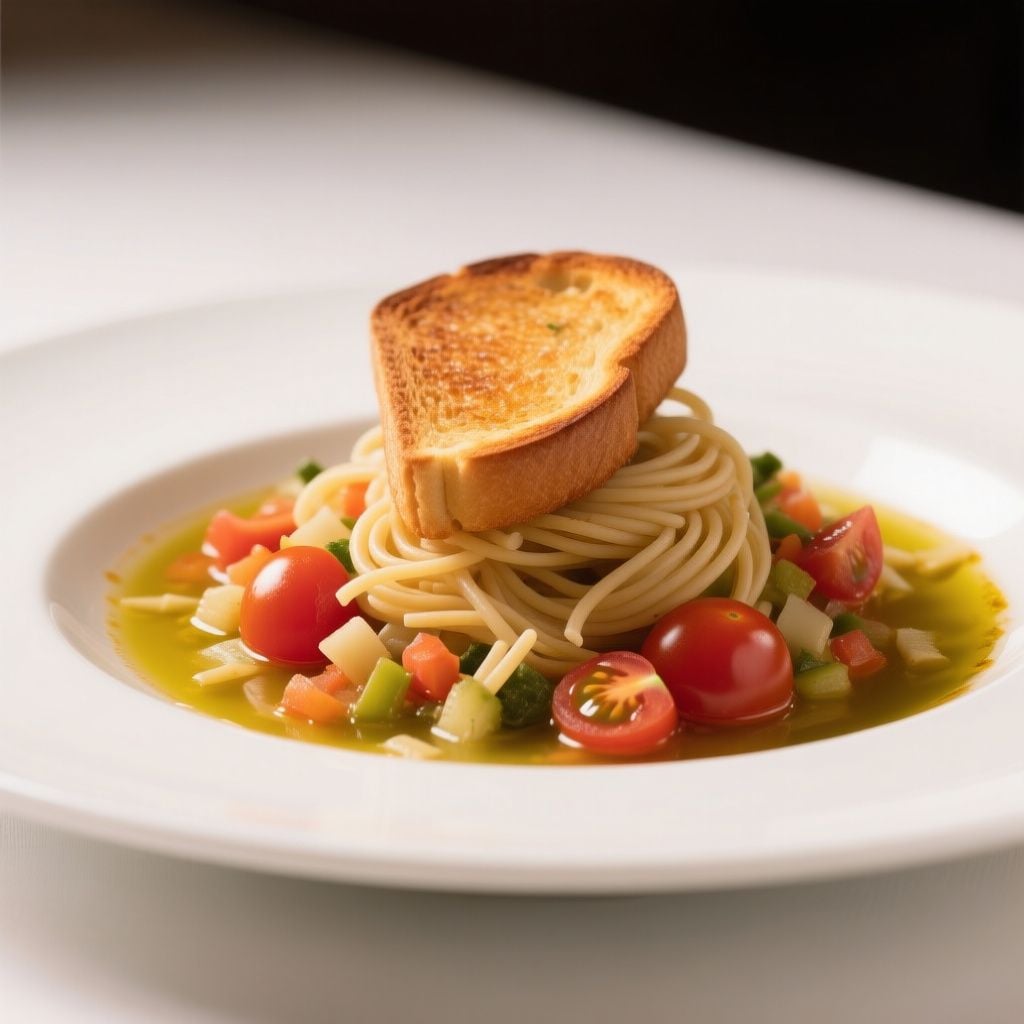
Toasted Fideo Sopa Seca
30min
4
View Full Recipe →
Ready to simplify your meal planning?
Let OttoChef AI create personalized meal plans for your family — free to use, no credit card.