
The Science of Tadka: How Hot Oil Unlocks Spice Aromatics
Learn how the traditional Indian technique of tadka uses hot fat to dissolve and amplify spice flavors, elevating your everyday home cooking.
Daniel Park
Culinary Contributor
July 19, 2026
5 min read
6 views
Have you ever added dried spices directly to a simmering pot of soup or stew, only to find the end result tasting flat, dusty, or underwhelming? Many home cooks assume that boiling spices for hours is the best way to coax out their flavor. In reality, water is a poor solvent for many of the most flavorful compounds locked inside spices.
To truly unlock the deep, complex aromas of spices, you need to understand the science of tempering—a technique known in Indian cuisine as tadka, chhonk, baghar, or thalippu. This method involves briefly frying whole or ground spices in hot oil or ghee before adding them to a dish. Understanding the chemistry behind this process will transform how you build flavor in your kitchen.
The Chemistry of Fat-Soluble Flavors
The secret behind tadka lies in the chemical solubility of spice flavor molecules. Spices contain essential oils that house their primary taste and aroma profiles. Many of these compounds, such as piperine in black pepper, cuminaldehyde in cumin, and curcumin in turmeric, are hydrophobic. This means they do not dissolve well in water, but are highly soluble in fat.
When you drop spices into hot oil, these hydrophobic flavor compounds dissolve rapidly into the fat. The oil acts as a delivery system, coating your ingredients and spreading the flavor evenly across your palate. Without fat, these volatile compounds would largely evaporate into the air during long boiling processes, leaving behind a muted flavor.
The Names of Tempering
Depending on the region of India, this technique is known as tadka (North), chhonk (East), vaghar (West), thalippu (South), or baghar (Bangladesh and East India). Each region utilizes local fats and native spice combinations to define their regional flavor profiles.
Pyrolysis and Aromatic Release
When spices hit hot oil, they undergo a mild form of pyrolysis (thermal decomposition). The intense heat causes the moisture inside the spices to rapidly expand and escape, which is why mustard seeds pop and cumin seeds swell and sizzle.
This heat also triggers chemical reactions that create entirely new flavor compounds. For example, raw cumin has a sharp, slightly medicinal taste. Once tempered in hot fat, those harsh notes mellow out, replaced by earthy, nutty, and smoky aromas.
“Fat is not just a medium for cooking; it is a solvent that captures and carries the volatile essence of spices directly to our taste receptors.”
OttoChef Culinary TeamHow to Master the Sequence of Tadka
Executing a perfect tadka requires precise timing. Because spices have different densities, moisture levels, and surface areas, adding them all at once will result in some being burnt while others remain raw.
Watch the Heat
Spices can burn in seconds. If your fat starts smoking excessively, remove it from the heat source immediately and let it cool slightly before adding your spices, or discard it and start over. Burnt spices taste intensely bitter and will ruin the entire dish.
To achieve the perfect balance, follow this sequence when tempering your spices:
Heat the Fat
Choose a fat with a medium-to-high smoke point. Ghee (clarified butter) is traditional and offers a rich, nutty flavor. Mustard oil, coconut oil, or neutral vegetable oils also work beautifully depending on the flavor profile you desire. Heat 1 to 2 tablespoons in a small, heavy-bottomed pan over medium-high heat.
Add Hard Whole Spices
Start with dense, whole spices that require more time to release their essential oils. This includes mustard seeds, cumin seeds, coriander seeds, cardamom pods, cinnamon sticks, and cloves. Let them sizzle and pop for 15 to 30 seconds.
Introduce Fresh Aromatics
Add fresh ingredients with higher water content, such as sliced ginger, minced garlic, green chilies, or fresh curry leaves. These ingredients will lower the temperature of the oil slightly and release their moisture, creating a fragrant steam-fry effect. Cook for about 30 seconds until fragrant.
Finish with Ground Spices
Turn off the heat or reduce it to low before adding ground spices like turmeric, chili powder, or ground coriander. Because they have a high surface area and no moisture, ground spices burn almost instantly. The residual heat of the oil is more than enough to bloom them safely. Stir for 5 to 10 seconds, then immediately pour the tadka into your dish.
The Sizzle Test
To check if your oil is at the right temperature without a kitchen thermometer, drop a single cumin seed into the pan. If it sinks to the bottom and does nothing, the oil is too cold. If it instantly sizzles, spins, and floats to the surface, your oil is ready.
Applying Tadka Beyond Indian Cuisine
While tadka is a cornerstone of South Asian cooking, the science of fat-blooming spices applies to every culinary tradition. Once you master this technique, you can use it to elevate a wide variety of dishes:
- Italian Pasta: Gently fry sliced garlic and crushed red pepper flakes in olive oil before tossing with pasta (the classic aglio e olio technique is a form of tempering).
- Mexican Soups: Bloom dried oregano, cumin, and chili powder in warm lard or oil before adding tomato paste and broth for a deeper chili base.
- Eastern European Bowls: Sauté caraway seeds and paprika in butter before drizzling over roasted cabbage or potatoes.
By treating spices as fat-soluble compounds rather than simple dry seasonings, you unlock a new dimension of flavor and aroma in your everyday cooking. Experiment with different fats and spice combinations to see how this simple scientific principle can elevate your meals.
Try This Recipe
Now that you've learned about the science of tadka: how hot oil unlocks spice aromatics, put your knowledge into practice with this recipe:
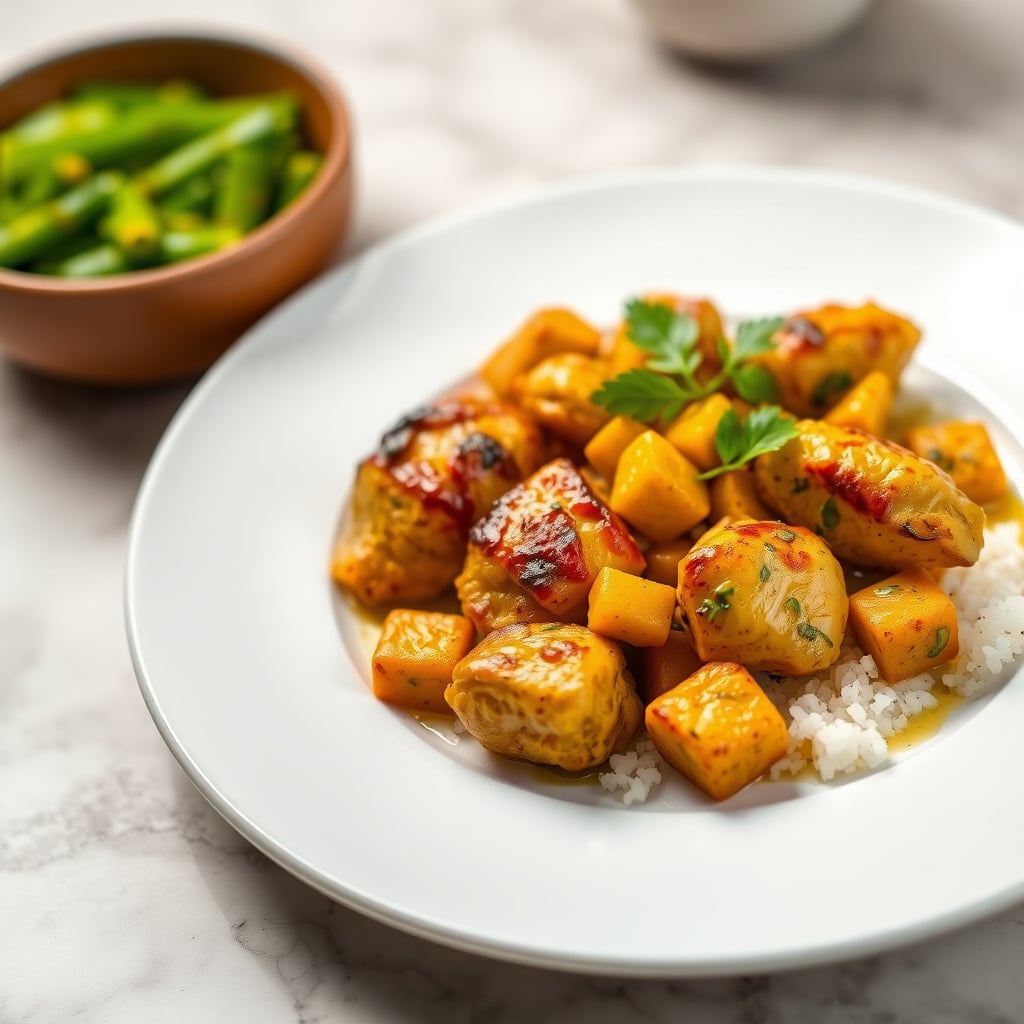
Double-Tadka Coconut Chicken Curry
50min
4
View Full Recipe →
Ready to simplify your meal planning?
Let OttoChef AI create personalized meal plans for your family — free to use, no credit card.