
The Science of Searing: Mastering the Maillard Reaction
Unlock the chemical secrets of browning. Learn how to control temperature, moisture, and pH to create complex, savory flavors in every dish you cook.
Daniel Park
Culinary Contributor
June 8, 2026
6 min read
1 view
If you have ever wondered why a seared steak tastes more satisfying than one that has been boiled, or why the golden-brown crust of a baguette is more flavorful than its soft interior, you have already encountered the results of the Maillard reaction. This complex chemical process is responsible for the savory, nutty, and toasted flavors we associate with high-quality cooking. For home cooks, understanding the Maillard reaction is a foundational skill that transforms cooking from a series of instructions into a deliberate manipulation of chemistry to achieve maximum flavor. Named after Louis-Camille Maillard, a French chemist who first described the process in 1912, this reaction occurs when heat triggers a transformation between amino acids—the building blocks of protein—and reducing sugars. This is not merely a color change; it is the synthesis of hundreds of new flavor and aroma molecules that give food its depth and character.
To harness this reaction effectively, you must first understand the specific conditions it requires. The Maillard reaction typically becomes significant at temperatures between 280°F and 330°F (140°C to 165°C). This temperature range is well above the boiling point of water (212°F or 100°C), which explains why surface moisture is the primary obstacle to browning. If the surface of your food is wet, the thermal energy from the pan is consumed by the process of evaporating that water before the temperature can rise high enough to trigger the chemical transformation. This results in food that is effectively steamed or boiled rather than seared, leaving it with a grey, unappealing texture and a lack of savory complexity.
Maillard vs. Caramelization
It is common to confuse the Maillard reaction with caramelization, but they are distinct processes. Caramelization is the oxidation of sugar alone at high temperatures (usually starting around 320°F), producing sweet and nutty flavors. The Maillard reaction requires the presence of amino acids (proteins) and produces more complex, savory, and 'meaty' aromas. While both often happen simultaneously—such as when roasting onions or baking bread—they are chemically unique.
When the temperature of the food surface exceeds 330°F, you begin to move past the beneficial Maillard reaction and into the territory of carbonization, or burning. This stage produces bitter, acrid flavors and potentially harmful compounds. Therefore, the goal of the cook is to maintain the surface temperature in the 'sweet spot' where browning is rapid but controlled. This is why temperature management and pan choice are so critical. Heavy-bottomed pans made of cast iron or stainless steel are preferred because they have high thermal mass, meaning they don't drop in temperature significantly when cold food is added.
The Steam Effect
Crowding your pan is one of the most common mistakes in home cooking. Each piece of meat or vegetable releases moisture as it cooks. If the pieces are too close together, that moisture gets trapped, creating a steam-filled environment that caps the temperature at 212°F. To ensure a proper sear, leave at least an inch of space between items in the pan, or cook in batches to maintain high heat.
The importance of a dry surface cannot be overstated. Professional chefs often go to great lengths to ensure proteins are as dry as possible. This might include leaving steaks uncovered in the refrigerator for several hours or even overnight. This process, known as 'air-drying,' allows surface moisture to evaporate and creates a pellicle that browns almost instantly upon contact with a hot pan. For the everyday cook, a thorough pat-down with paper towels is the most effective immediate solution.
Pat It Dry
Always use paper towels to dry the surface of meats, seafood, and even hearty vegetables like mushrooms or zucchini before cooking. A dry surface allows the Maillard reaction to begin the moment the food hits the heat, leading to a superior crust and more developed flavor.
The speed of the Maillard reaction is also heavily influenced by the pH level of the food's environment. The reaction happens more quickly in alkaline (basic) environments and more slowly in acidic ones. This is a principle utilized in various international cuisines. For example, German pretzels are dipped in a food-grade lye solution before baking; the high alkalinity promotes a deep, dark brown crust and a unique flavor profile that is distinct from standard bread. You can apply this knowledge at home by adding a tiny pinch of baking soda to your onions when sautéing.
The Baking Soda Trick
Adding just a 1/8 teaspoon of baking soda to a pan of onions can significantly accelerate the browning process. The alkaline environment breaks down the cellular structure faster and speeds up the Maillard reaction, allowing you to achieve deep, jammy onions in a fraction of the usual time. Just be careful not to use too much, as it can affect the final texture.
Select the Right Pan
Choose a heavy-bottomed pan, such as cast iron or stainless steel. These materials hold heat better than thin non-stick pans, preventing the temperature from dropping when you add the food.
Preheat Thoroughly
Heat the pan over medium-high heat until the oil shimmers or just begins to smoke. A hot pan is essential to overcome the cooling effect of the food's mass and to trigger the reaction immediately.
Add Food in Batches
Place the food in the pan, ensuring there is plenty of space for steam to escape. If you hear a loud, vigorous sizzle, you are on the right track. If the sizzle is quiet or sounds like bubbling water, your pan isn't hot enough or is too crowded.
Minimize Movement
Resist the urge to move the food immediately. It takes time for the chemical bonds to form and for the food to naturally 'release' from the pan. Once a sufficient crust has formed, the food will lift easily without sticking.
"The Maillard reaction doesn't just change the color of food; it creates hundreds of different flavor compounds that weren't there to begin with."
OttoChef Culinary TeamThe Maillard reaction produces melanoidins, which are the brown pigments we see, but it also creates volatile molecules like furans, pyrazines, and thiophenes. These are responsible for the aromas of grilled meat, roasted coffee, and even chocolate. By controlling the variables of heat, time, and moisture, you are essentially acting as a chemist, synthesizing these aromas in your own kitchen. While it is most commonly discussed in the context of meat, the Maillard reaction is equally important for vegetables. Roasting carrots or Brussels sprouts at high heat allows their natural sugars and proteins to react, turning a potentially bitter or sulfurous vegetable into something sweet and savory.
Mastering the Maillard reaction is one of the most effective ways to elevate your cooking from functional to professional-grade. It requires patience, precise temperature management, and a respect for the chemistry occurring in the pan. Next time you are searing a protein or roasting vegetables, pay close attention to the visual and aromatic cues. Look for that deep golden-brown hue, listen for the high-pitched sizzle, and smell the developing complexity. By intentionally creating the conditions for the Maillard reaction to thrive, you unlock a world of flavor that lies just beyond the reach of simple heating.
Try This Recipe
Now that you've learned about the maillard reaction: the chemistry behind delicious browning, put your knowledge into practice with this recipe:
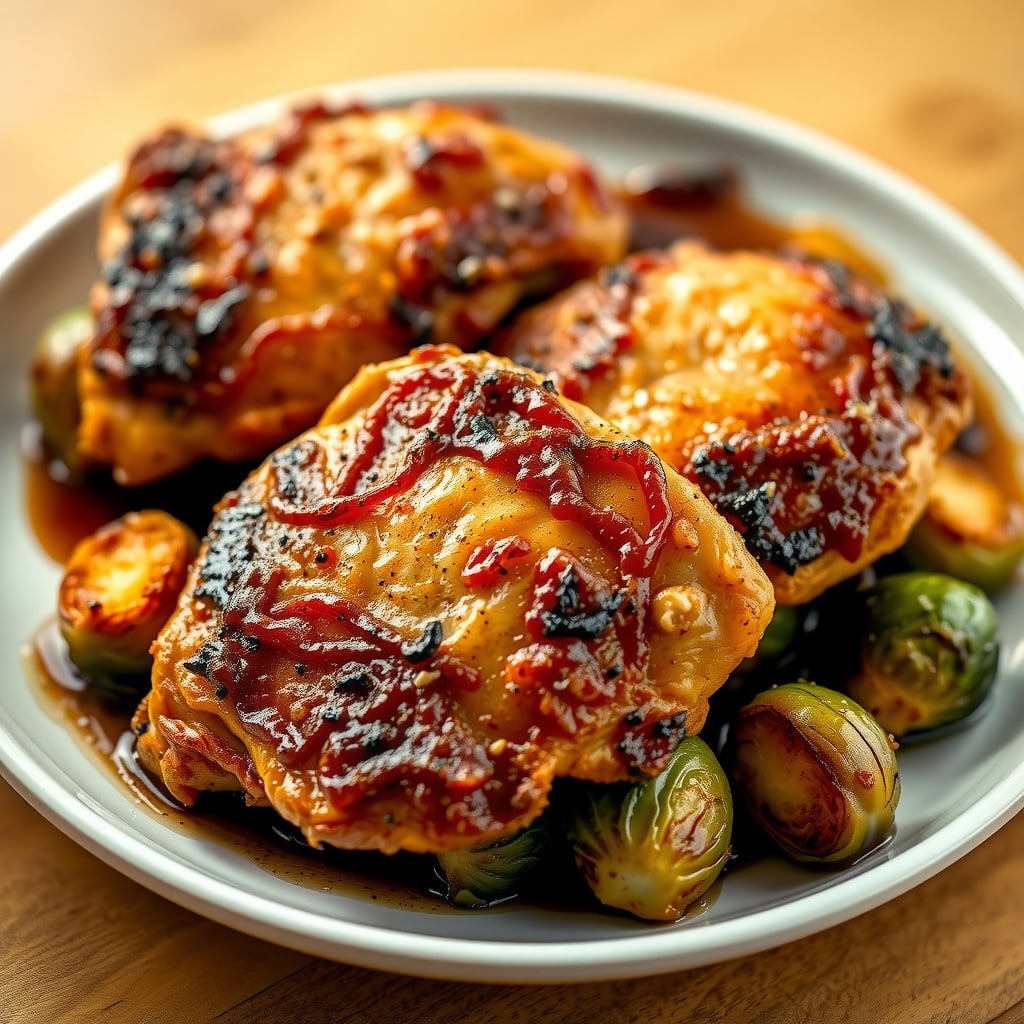
Pan-Seared Crispy Chicken Thighs with Balsamic-Glazed Brussels Sprouts
45min
4
View Full Recipe →
Ready to simplify your meal planning?
Let OttoChef AI create personalized meal plans for your family in seconds.