
The Science of Sanshool: How Szechuan Peppercorns Trick Your Brain
Discover the fascinating kitchen science behind Szechuan peppercorns. Learn how hydroxy-alpha-sanshool creates the numbing 'ma' sensation and how to use it.
Marcus Rivera
Culinary Editor
October 9, 2026
5 min read
7 views
Take a bite of a well-executed Szechuan dish, and you will experience a sensation unlike any other in gastronomy. It begins as a faint buzz on your lips, quickly escalating into a static, vibrating numbness that cools your mouth. This is not the chemical burn of capsaicin from chili peppers, nor is it the pungent nasal punch of mustard or wasabi. It is "ma"—the legendary numbing sensation of the Szechuan peppercorn.
For centuries, cooks in the Sichuan province of China have paired this sensory anomaly with the fiery heat of red chilies, creating a flavor profile known as "mala" (numbing and spicy). But what exactly is happening to your tongue when you consume these wrinkled, pinkish-red husks? The answer lies in a fascinating intersection of chemistry, neurology, and culinary technique.
The Chemistry of the Tingle: What is Sanshool?
The secret weapon of the Szechuan peppercorn is an organic compound called hydroxy-alpha-sanshool. Unlike capsaicin, which triggers the pain and heat receptors in your mouth, or menthol, which triggers cold receptors, sanshool acts on your somatosensory system.
Essentially, sanshool tricks your brain into feeling a physical touch. It targets the mechanoreceptors—the sensitive nerve endings in your skin and tongue that detect physical vibration, pressure, and texture. Research has shown that eating Szechuan peppercorns causes these nerves to fire at a frequency of about 50 Hertz.
Not Actually Pepper
Szechuan peppercorns are not related to black pepper (Piper nigrum) or chili peppers (Capsicum). They are the dried seed husks of the prickly ash shrub, which belongs to the citrus family (Rutaceae). This explains their bright, pine-and-lemon aroma before the numbness sets in.
When these mechanoreceptors fire rapidly, your brain interprets the chemical signal as a literal, mechanical vibration. Your mouth isn't burning; it is vibrating. This tactile illusion dilates blood vessels, cools the palate, and fundamentally alters how you perceive other flavors.
“Sichuan cuisine does not use heat for the sake of pain; it uses the numbing sensation of the peppercorn to clear the palate, making you crave the next bite.”
Chef Fuchsia Dunlop, Chinese Gastronomy ExpertThe Culinary Purpose of Mala
In Western cooking, we often think of spices as flavor enhancers or heat elements. In Szechuan cuisine, the numbing quality of sanshool serves a highly functional structural purpose.
When paired with capsaicin, the numbness of the peppercorns temporarily desensitizes the pain receptors on your tongue. This allows you to appreciate the fruitiness, sweetness, and complexity of the chilies without being overwhelmed by sheer heat. Once the numbness peaks, the palate is cleansed and refreshed, preparing you for the next layer of rich, savory flavor. It is a dynamic cycle of heat, numbness, relief, and repeat.
The Cold Water Test
To experience the pure sensory trick of sanshool, take a sip of cold water after eating a dish seasoned with Szechuan peppercorns. The water will taste strangely metallic, sweet, or sparkling. This occurs because your somatosensory nerves are still vibrating, altering your perception of the water's temperature and texture.
Preparing Szechuan Peppercorns: Step-by-Step
To unlock the full potential of sanshool and its aromatic citrus notes, you must prepare the peppercorns correctly. Raw, whole peppercorns straight from the bag can be unpleasantly gritty, bitter, and overwhelmingly intense.
Discard the Black Seeds
The glossy black seeds inside the pink husks contain no sanshool and are incredibly gritty—like chewing on small pebbles. Always sort through your peppercorns and discard these seeds, keeping only the fragrant outer husks.
Here is how to clean, toast, and grind Szechuan peppercorns to maximize their flavor and tingling potential:
Sort the Husks
Spread your Szechuan peppercorns onto a baking sheet. Pick through them to remove any black seeds, twigs, or thorns. You only want the pink, open-faced husks.
Dry Toast
Place the sorted husks into a dry skillet over medium-low heat. Toss constantly for 2 to 3 minutes. As soon as they become intensely fragrant and darken slightly, remove them from the heat. Toasting coaxes out the essential citrus oils and makes the husks brittle and easy to grind.
Grind and Sift
Let the toasted husks cool completely. Grind them in a spice grinder or crush them with a mortar and pestle. Pass the ground spice through a fine-mesh sieve to remove any remaining tough, papery fibers, leaving you with a fine, aromatic pink-brown powder.
Applying Szechuan Peppercorns in Your Kitchen
Now that you understand the science of sanshool, you can use it to elevate your home cooking. You do not need to limit this spice to traditional Chinese dishes; its unique tactile qualities can enhance a wide range of flavor profiles.
- Compound Butters: Fold finely ground, toasted Szechuan pepper into softened butter along with a pinch of sea salt and lemon zest. Use it to finish seared steaks or roasted vegetables.
- Modern Dry Rubs: Combine ground Szechuan peppercorns with brown sugar, garlic powder, smoked paprika, and salt for a unique barbecue rub that delivers a pleasant tingle alongside traditional smoky flavors.
- Szechuan Salt: Mix equal parts toasted, ground Szechuan pepper and fine sea salt. Use this as a dipping salt for fried chicken, roasted potatoes, or tofu.
Infusing Oil
If you dislike the physical texture of ground spices, you can extract sanshool using oil. Gently heat whole, sorted peppercorns in a neutral oil (like canola or peanut) at 225°F (107°C) for 10 minutes. Strain out the solids. The resulting oil will carry the pure, numbing essence of sanshool and a bright citrus aroma, perfect for drizzling over noodles or salads.
By mastering the science of sanshool, you gain control over a completely unique culinary dimension—texture and sensation. The next time you cook with Szechuan peppercorns, remember that you are not just seasoning food; you are hosting a physical symphony for your dinner guests' nervous systems.
Try This Recipe
Now that you've learned about how szechuan peppercorns trick your brain: mastering the science of sanshool, put your knowledge into practice with this recipe:
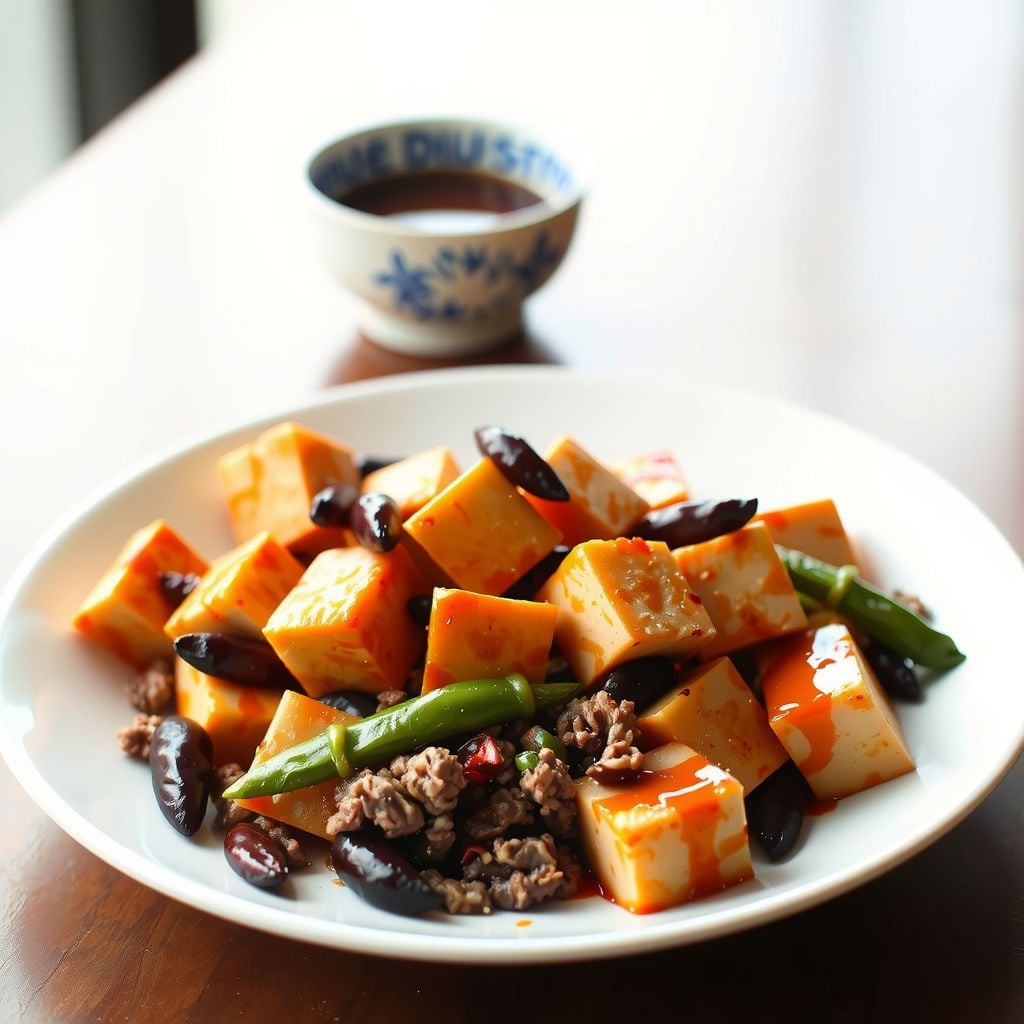
Authentic Szechuan Mapo Tofu (麻婆豆腐)
35min
4
View Full Recipe →
Ready to simplify your meal planning?
Let OttoChef AI create personalized meal plans for your family — free to use, no credit card.