
The Science of Salt: How Sodium Silences Bitter Flavors
Discover the kitchen science behind how salt suppresses bitterness and enhances sweetness. Learn how to use sodium to balance coffee, vegetables, and more.
Sarah Mitchell
Test Kitchen Director
October 3, 2026
5 min read
3 views
You brew a fresh pot of morning coffee, take a sip, and immediately wince at the harsh, astringent bite. Your hand instinctively reaches for the sugar bowl. While sweetness can distract your brain from bitterness, there is a far more efficient, scientifically proven tool sitting right next to your stove: your salt cellar.
Understanding how salt interacts with our taste buds is one of the most transformative skills a home cook can acquire. Far from being a simple flavor enhancer that merely makes food taste "salty," sodium is a powerful biological modifier that fundamentally rewires how your brain perceives taste.
The Physiology of Taste
To understand why salt is so effective, we must look at how our taste buds function. Humans possess five primary taste modalities: sweet, salty, sour, bitter, and umami. For evolutionary reasons, our tongues are incredibly sensitive to bitterness. Many natural toxins are bitter, so our ancestors developed highly sensitive bitter taste receptors (specifically the TAS2R receptor family) to warn them of potential danger.
When you eat something bitter, those chemical compounds bind to your TAS2R receptors, sending an immediate warning signal to your brain. However, sodium ions possess a unique chemical capability: they can physically interfere with this transmission.
The Sodium Shield
Sodium ions (Na+) physically block bitter taste receptors on your tongue. When sodium occupies these receptor pathways, bitter compounds are physically prevented from binding to them, stopping the bitter signal before it ever reaches your brain.
Because of this physiological block, adding salt to a bitter ingredient doesn't just mask the flavor with a competing taste; it actually silences the bitter signal at the cellular level.
Suppressing Bitterness to Reveal Sweetness
When you suppress the bitter compounds in a food, you naturally allow its other, more pleasant flavors to shine. This is why a pinch of salt on a bitter grapefruit makes the fruit taste remarkably sweeter, even though no sugar was added. By turning down the volume on the bitterness, your brain can suddenly perceive the subtle, natural sugars that were previously drowned out.
This interaction is crucial when cooking vegetables in the brassica family, such as Brussels sprouts, broccoli, cabbage, and kale. These vegetables contain compounds called glucosinolates, which break down into bitter-tasting isothiocyanates during cooking. Properly salting these vegetables doesn't just season them; it chemically unlocks their inherent sweetness.
“Salt is the single most important tool in our kitchen. It does not just make food salty; it acts as a magnifying glass for the flavors we want and a biological shield against the ones we do not.”
OttoChef Culinary TeamPractical Applications in the Home Kitchen
Once you understand this chemical relationship, you can use it to rescue dishes, balance complex sauces, and improve your daily beverages.
The Coffee Trick
If you find your drip coffee or dark roast espresso too bitter, add a microscopic pinch of salt to your mug. It won't make the coffee taste savory; instead, it will instantly smooth out the flavor profile and highlight the chocolatey, roasted notes of the bean.
This technique is also invaluable when working with fresh, bitter greens like radicchio, endive, or arugula. Massaging kale with a tiny amount of salt and olive oil before serving breaks down the tough cell walls and suppresses the sharp, bitter bite of the raw leaves, making them far more palatable in salads.
How to Balance a Bitter Dish
If you find yourself cooking a sauce, soup, or vegetable dish that has turned out unpleasantly bitter, do not immediately dump in sugar or honey, which can make the dish cloying. Follow this systematic approach to balance the flavors using kitchen science.
Identify the Source
Taste the dish carefully to determine if the bitterness is from overcooking (such as scorched garlic), or from inherently bitter ingredients like dark leafy greens, citrus zest, or cocoa powder.
Introduce Salt Gradually
Add a tiny pinch of fine sea salt or kosher salt to the dish. Stir thoroughly and wait at least thirty seconds for the salt to fully dissolve and integrate into the liquid or coat the food fibers.
Re-evaluate and Adjust
Taste the dish again. Observe if the harsh edge of the bitterness has softened. If the bitterness is still dominant but the dish does not yet taste salty, add one more micro-pinch. If the bitterness is gone but you want to lift the flavor further, introduce a splash of acid like lemon juice or vinegar.
The Threshold of Saltiness
The goal of suppressing bitterness is to reach the "sub-threshold" level of salt—where the sodium reduces bitterness but does not make the food taste distinctly salty. Always add salt in microscopic increments to avoid over-seasoning.
Elevating Your Cooking
By reframing salt as an active participant in taste receptor chemistry rather than a mere seasoning, you gain incredible control over your culinary creations. The next time a dish tastes flat, sharp, or aggressively bitter, skip the sugar and let sodium do the neurological heavy lifting for you.
Try This Recipe
Now that you've learned about the bitter-suppressing power of salt: how sodium rewires your taste receptors, put your knowledge into practice with this recipe:
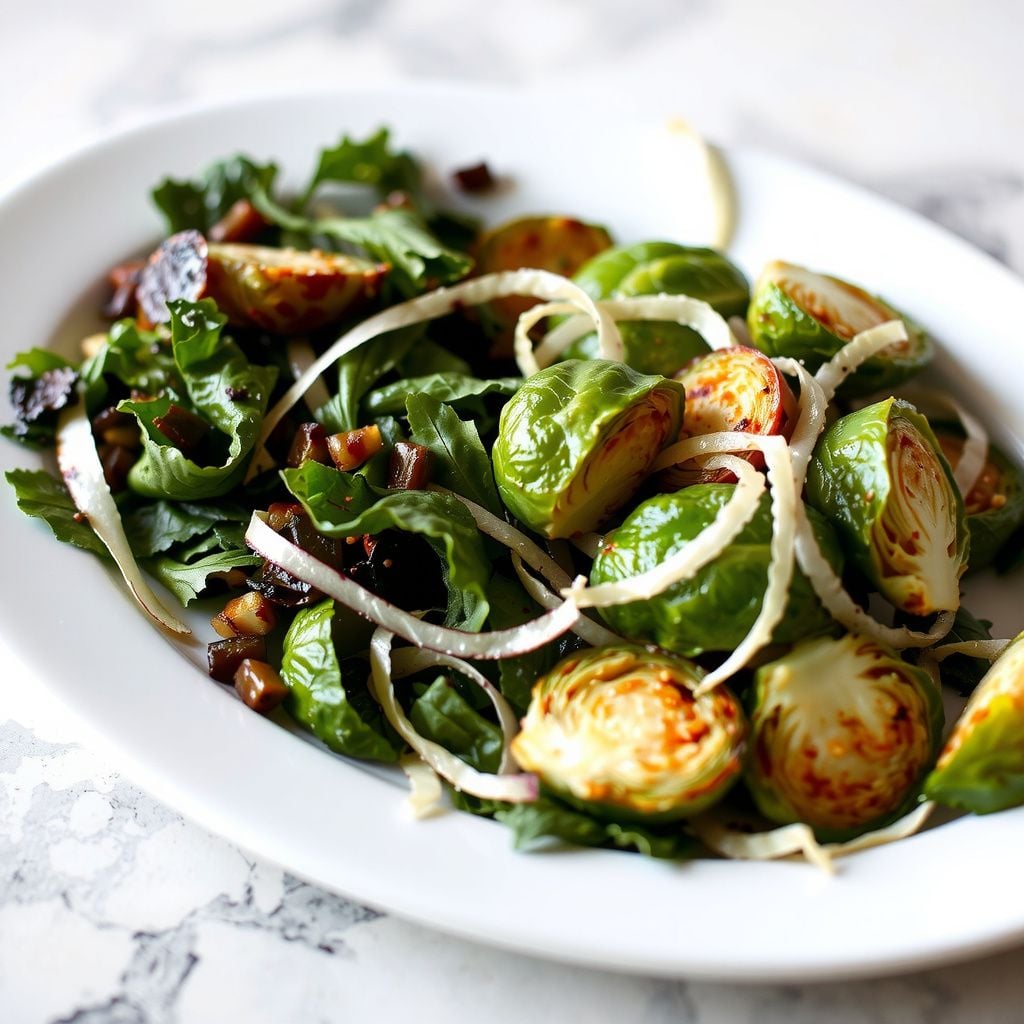
Salt-Balanced Warm Brassica and Bitter Greens Salad
25min
4
View Full Recipe →
Ready to simplify your meal planning?
Let OttoChef AI create personalized meal plans for your family — free to use, no credit card.