
The Science of Málà: How Sichuan Peppercorns Electrify Your Tongue
Discover the fascinating science behind Sichuan peppercorns. Learn how hydroxy-alpha-sanshool creates the unique numbing sensation known as málà.
Emma Chen
Recipe Developer
July 21, 2026
5 min read
22 views
You take a bite of a classic Sichuan dish, and within seconds, a peculiar sensation spreads across your lips and tongue. It is not the searing heat of a chili pepper, nor is it the sharp bite of black pepper. Instead, it feels like a mild electric current, a buzzing vibration that renders your mouth pleasantly numb. This sensation is known as paresthesia, and in the culinary world, it is the defining characteristic of Sichuan cuisine.
To understand why this happens, we must step out of the kitchen and into the neurology lab. The unique physical response triggered by Sichuan peppercorns is a masterclass in how chemistry interacts with human anatomy. For home cooks, understanding this science is the key to mastering one of the world's most dynamic flavor profiles.
The Chemistry of the Buzz
The secret behind this vibrating sensation is a chemical compound called hydroxy-alpha-sanshool. This compound is naturally occurring in plants of the Zanthoxylum genus, to which Sichuan peppercorns belong.
Unlike capsaicin (the compound that makes chili peppers hot) or piperine (which gives black pepper its kick), hydroxy-alpha-sanshool does not activate your tongue's thermal receptors. It does not make your brain think your mouth is on fire. Instead, it targets your touch receptors.
The Citrus Connection
Despite their name, Sichuan peppercorns are not related to black peppercorns (*Piper nigrum*) or chili peppers (*Capsicum*). They are the dried seed husks of shrubs in the *Zanthoxylum* genus, which belongs to the rue or citrus family (Rutaceae). This is why they carry a pronounced lemony, floral aroma alongside their numbing properties.
The 50-Hertz Vibration Illusion
When hydroxy-alpha-sanshool lands on your tongue, it binds to specific, highly sensitive mechanoreceptors called tactile corpuscles. These are the same sensory receptors that detect physical vibrations and light touch on your skin.
By chemically stimulating these receptors, the peppercorn tricks your nervous system into believing your tongue is physically vibrating. In 2013, researchers at University College London decided to measure this phenomenon. They vibrated mechanical devices against the fingertips of participants and compared the sensation to Sichuan pepper paste applied to the lips. The study revealed that Sichuan peppercorns consistently mimic a physical vibration frequency of 50 Hertz.
“Sichuan peppercorns do not produce chemical heat. They trick your nervous system into feeling a physical touch, vibrating your taste buds at a frequency of 50 Hertz.”
Dr. Nobuhiro Hagura, Sensory NeuroscientistThis physical tingling is not just a novelty; it fundamentally changes how you perceive other flavors. The numbing effect temporarily alters your taste receptors, making salt taste different, highlighting sweetness, and tempering the intense burn of capsaicin.
The Culinary Harmony of Málà
In Sichuan gastronomy, this chemical vibration is rarely used in isolation. It is almost always paired with the heat of dried red chilies. This combination is known as málà (麻辣)—a compound word where má means numbing, and là means spicy-hot.
This pairing is a stroke of culinary genius. The numbing effect of the Sichuan peppercorn temporarily desensitizes the pain receptors on your tongue, allowing you to enjoy the complex fruitiness and heat of the chilies without being overwhelmed by sheer pain. Once the numbness begins to fade, the heat returns, creating a rhythmic sensory cycle that makes the cuisine incredibly addictive.
Sourcing Quality Peppercorns
Look for Sichuan peppercorns that are bright pinkish-red, open like tiny flowers, and have very few black seeds or twigs mixed in. High-quality peppercorns should smell intensely fragrant, with a citrusy, woodsy aroma even before they are cooked. avoid dull, greyish-brown packages which have lost their volatile oils.
Master the Technique: Preparing Sichuan Peppercorns
To unlock the full potential of hydroxy-alpha-sanshool and the aromatic oils in the peppercorn, you must prepare them correctly. Raw, whole peppercorns straight from the bag can be unpleasantly woody and unevenly distributed.
Sort and Clean
Spread the peppercorns on a plate and meticulously remove any shiny black seeds, stems, or thorns. The black seeds are hard, gritty, and bitter, offering no numbing effect. Only the pink outer husks contain the prized essential oils.
Dry Toasting
Place the sorted husks in a dry skillet over medium-low heat. Toast them for 2 to 3 minutes, shaking the pan constantly, until they release an intense, citrusy aroma. Do not let them burn, as this ruins the flavor and creates a bitter taste.
Grind and Sift
Allow the toasted husks to cool completely; they will become brittle. Grind them into a fine powder using a spice grinder or mortar and pestle. Pass the powder through a fine-mesh sieve to remove any remaining woody fibers.
Avoid High Heat
The active chemical compound, hydroxy-alpha-sanshool, is highly volatile and heat-sensitive. Adding Sichuan pepper too early to a screaming-hot wok will destroy the numbing compound and leave you with a bitter taste. Always add ground Sichuan pepper at the very end of cooking or use it as a finishing garnish.
Elevating Your Home Cooking
Once you master the basic preparation, you can use the power of paresthesia to elevate your everyday cooking, even outside of traditional Chinese recipes.
- Compound Butter: Whip toasted, ground Sichuan pepper and a pinch of lime zest into softened butter. Melt this over a seared ribeye steak or grilled corn on the cob.
- Sichuan Salt: Mix equal parts toasted kosher salt and ground Sichuan pepper for an incredible finishing salt for roasted potatoes, fried chicken, or edamame.
- Infused Oils: Gently warm neutral oil with whole Sichuan peppercorns, star anise, and ginger to create a fragrant finishing oil to drizzle over soups, noodles, or roasted vegetables.
By understanding the neurology behind the ingredient, you transition from simply following a recipe to actively manipulating sensory perception. The next time you experience that distinct 50 Hz buzz, you will appreciate not just the flavor, but the brilliant chemistry happening right on your tongue.
Try This Recipe
Now that you've learned about the science of paresthesia: how szechuan peppercorns chemically vibrate your tongue, put your knowledge into practice with this recipe:
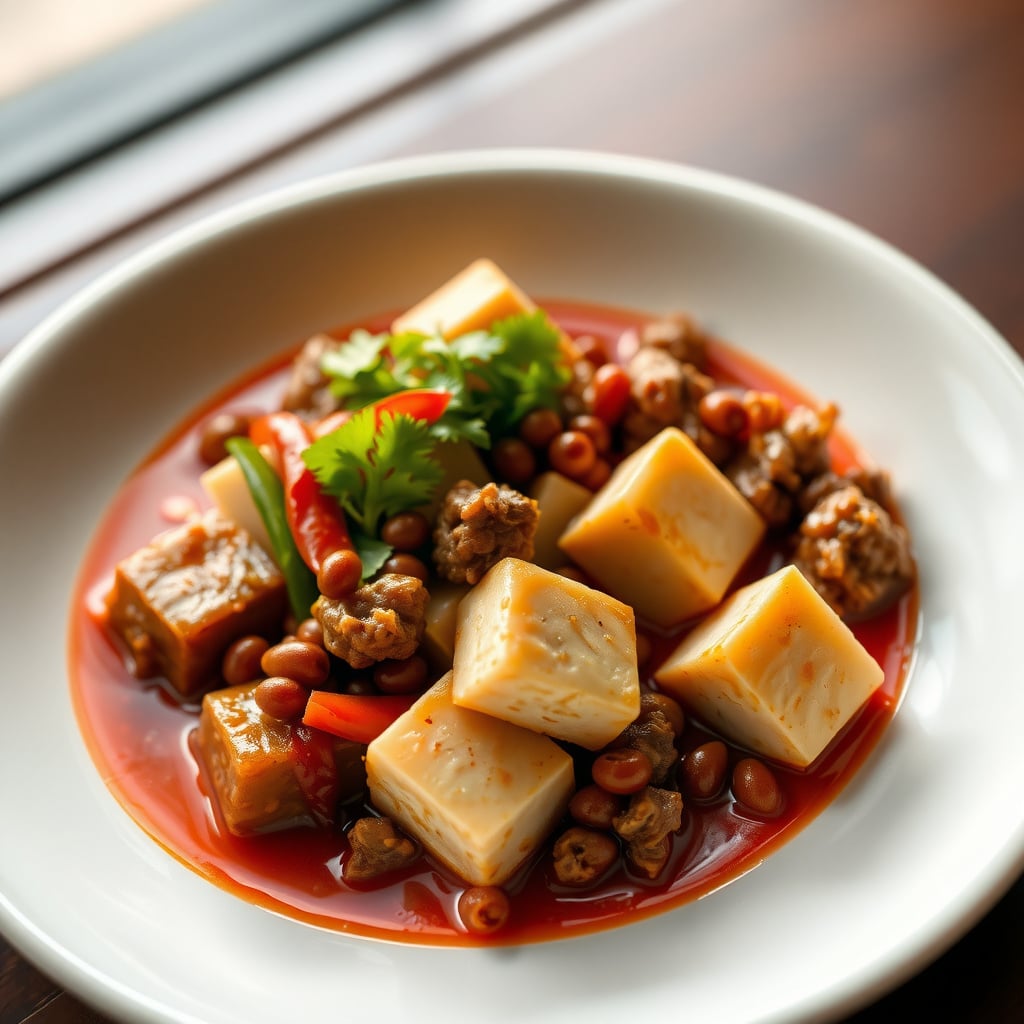
Authentic Sichuan Mapo Tofu
35min
4
View Full Recipe →
Ready to simplify your meal planning?
Let OttoChef AI create personalized meal plans for your family — free to use, no credit card.