
The Science of Leavening: Mastering Yeast, Baking Soda & Baking Powder
Unlock the chemistry behind perfect baked goods. Learn how yeast, baking soda, and baking powder work, when to use each, and troubleshoot common baking failures.
Alex Thompson
Food Editor
February 23, 2026
9 min read
11 views
You've followed the recipe exactly, but your bread is dense, your cookies spread too thin, or your cake has a metallic aftertaste. The culprit? Misunderstanding how leavening agents work. These microscopic powerhouses—yeast, baking soda, and baking powder—are responsible for transforming flat batters and doughs into airy, tender baked goods. But they're not interchangeable, and using the wrong one (or using it incorrectly) can derail your entire baking project.
Let's demystify the science behind these essential ingredients so you can troubleshoot failures, adapt recipes with confidence, and understand exactly what's happening inside your oven.
Understanding Leavening: The Foundation
Leavening is simply the production of gas bubbles that expand when heated, creating the light, porous structure we love in baked goods. All three leavening agents create carbon dioxide (CO₂), but through completely different mechanisms. This distinction determines when and how to use each one.
The texture of your final product depends on how quickly gas is produced, how long it remains trapped in the dough or batter, and how the structure sets during baking. Master these variables, and you'll never wonder again why your banana bread sank in the middle.
The Role of Gluten and Eggs
Leavening agents create gas, but other ingredients trap it. Gluten (from flour) forms an elastic network that stretches around gas bubbles, while eggs provide structure that sets when heated. Without these supporting players, all that CO₂ would simply escape, leaving you with a flat, dense result.
Yeast: The Living Leavener
Yeast is a single-celled fungus that feeds on sugars and produces CO₂ and alcohol as byproducts. This biological process, called fermentation, takes time—which is precisely why yeast-leavened breads require rising periods.
There are three main types you'll encounter:
Active dry yeast needs to be dissolved in warm water (105-115°F) before use. The granules are dormant and need hydration to wake up.
Instant yeast (also called rapid-rise or bread machine yeast) has smaller particles and can be mixed directly into dry ingredients. It works about 25% faster than active dry.
Fresh yeast (cake yeast) is moist and perishable, found in refrigerated sections. Professional bakers often prefer it for its robust fermentation, but it's less convenient for home use.
Temperature is Everything
Yeast thrives between 75-85°F. Below 60°F, it goes dormant. Above 120°F, it dies. If your kitchen is cold, place your dough in a turned-off oven with the light on, or near (not on) a warm stovetop. The gentle warmth accelerates fermentation without killing the yeast.
The fermentation process does more than create lift—it develops complex flavors. This is why artisan breads with long, slow rises taste so much better than quick breads. The yeast produces organic acids and other compounds that create depth and character.
"Understanding fermentation transformed my baking from following recipes blindly to actually comprehending what I was creating."
Peter Reinhart, James Beard Award-winning bakerWhen to use yeast: Breads, pizza dough, cinnamon rolls, bagels, and any baked good where you want complex flavor development and a chewy, elastic texture. Yeast also tolerates—and even benefits from—longer mixing and kneading, which develops gluten.
The Sugar Paradox
While yeast feeds on sugar, too much actually inhibits fermentation. High-sugar doughs (like brioche or cinnamon rolls) rise more slowly because the sugar creates an osmotic environment that stresses the yeast cells. Be patient with sweet doughs—they need extra time.
Baking Soda: The Alkaline Activator
Baking soda (sodium bicarbonate) is a pure chemical compound that requires an acid to activate. When it encounters acidic ingredients—buttermilk, yogurt, vinegar, lemon juice, brown sugar, molasses, honey, or even cocoa powder—it immediately begins producing CO₂.
This reaction happens fast. Within minutes of mixing wet and dry ingredients, baking soda starts working. This is why recipes with baking soda often instruct you to get your batter into the oven quickly—you're racing against chemistry.
The alkalinity advantage: Baking soda doesn't just leaven; it also affects browning and flavor. Its alkaline nature promotes Maillard reactions (the browning process), which is why cookies made with baking soda spread more and develop deeper color and flavor. It also neutralizes acidity, which is why it's used in recipes with tangy ingredients like buttermilk or molasses.
The Taste Test
Too much baking soda leaves a soapy, metallic aftertaste. As a rule, use ¼ teaspoon per cup of flour. If your recipe calls for more, there should be sufficient acidic ingredients to neutralize it. If you've ever tasted that unpleasant alkaline flavor, you've experienced unreacted baking soda.
When to use baking soda: Recipes containing acidic ingredients—buttermilk pancakes, chocolate cake with sour cream, molasses cookies, or any batter with vinegar, citrus, or yogurt. Also use it when you want enhanced browning, like in pretzels (which are traditionally dipped in a baking soda solution before baking).
Baking Powder: The Self-Contained System
Baking powder is baking soda with built-in acid (usually cream of tartar) and a starch buffer (typically cornstarch) to prevent premature activation. It's a complete leavening system that doesn't require additional acidic ingredients.
Most baking powder sold today is "double-acting," meaning it releases CO₂ in two stages:
- First rise: When liquid is added, producing some gas immediately
- Second rise: When exposed to oven heat, producing most of the leavening power
This double action provides insurance—even if you don't get your batter into the oven immediately, you'll still get significant rise from the heat-activated portion.
Baking Powder Loses Potency
Baking powder doesn't last forever. Test it by mixing a teaspoon with hot water—it should bubble vigorously. If the reaction is weak, your baking powder is old and won't provide adequate lift. Most containers have a "best by" date, but once opened, potency declines after 6-12 months.
When to use baking powder: Recipes without significant acidic ingredients—biscuits, scones, plain cakes, muffins, and quick breads. It provides reliable, consistent leavening without affecting flavor (unlike baking soda's alkalinity).
The Combination Strategy
Many recipes use both baking soda and baking powder. Why? The baking soda neutralizes acidic ingredients (preventing sourness) while contributing to browning, and the baking powder provides additional, reliable lift.
Consider a buttermilk biscuit recipe: The baking soda reacts with the buttermilk's acid, but there might not be enough acid to fully leaven the biscuits. Adding baking powder ensures adequate rise while the baking soda contributes to flavor and color.
Decoding Recipe Ratios
Look at your recipe's acid content. High-acid batters (lots of buttermilk, citrus, or vinegar) need more baking soda. Neutral batters need baking powder. Mixed batters use both strategically.
Adjusting for Altitude
At high altitudes, lower air pressure means gas bubbles expand more easily, often causing over-leavening. Reduce baking soda and baking powder by 25% if you're above 3,000 feet, and increase oven temperature by 15-25°F to help structure set faster.
Troubleshooting Dense Results
If your baked goods are dense, check: (1) Is your leavening agent fresh? (2) Did you measure accurately? (3) Did you overmix, which deflates bubbles? (4) Was your oven temperature correct? An oven thermometer eliminates guesswork.
Common Mistakes and How to Avoid Them
Mistake #1: Substituting one for another You cannot simply swap baking soda for baking powder or vice versa. Baking soda is roughly 3-4 times stronger than baking powder, but it also requires acid. If a recipe calls for baking powder and you only have baking soda, you'll need to add an acidic ingredient and adjust quantities—better to just get the right ingredient.
Mistake #2: Killing yeast with hot liquid Liquid above 120°F destroys yeast. If you're unsure, err on the cooler side—lukewarm is safer than scalding. A simple test: the liquid should feel warm but comfortable on your wrist, like bathwater.
Mistake #3: Letting batter sit too long Baking soda-leavened batters should be baked promptly. Once that chemical reaction begins, the clock is ticking. Yeast doughs can (and often should) rest, but quick bread batters need to hit the oven while CO₂ is still being produced.
Mistake #4: Overmixing Once leavening agents activate, aggressive mixing deflates the bubbles you've worked to create. Mix just until ingredients are combined—lumps in muffin or pancake batter are perfectly fine.
The Baking Soda-Cocoa Connection
Natural cocoa powder is acidic and works well with baking soda. Dutch-processed cocoa has been alkalized and won't activate baking soda effectively. Check your cocoa type and match it to your leavening agent, or use baking powder for foolproof results.
Practical Applications for Better Baking
Now that you understand the science, you can make informed decisions:
- Want chewier cookies? Use baking soda (with an acid source) for more spread and browning
- Want cakier cookies? Use baking powder for more vertical lift and tender crumb
- Need to make substitutions? If a recipe calls for buttermilk but you only have regular milk, add a tablespoon of lemon juice or vinegar per cup, let it sit for 5 minutes, and you've created the acid needed to activate baking soda
- Experimenting with recipes? Start with the standard ratio: ¼ teaspoon baking soda per cup of flour (if using acidic ingredients) or 1-1½ teaspoons baking powder per cup of flour (for neutral batters)
The Sift and Store Method
Sifting baking powder and baking soda with your dry ingredients ensures even distribution, preventing pockets of concentrated leavening that create an uneven rise or bitter spots. Store both in airtight containers away from moisture to maintain potency.
Beyond the Basics
Understanding leavening opens doors to recipe adaptation and troubleshooting. When you know why a recipe uses specific leavening agents, you can adjust for dietary needs, fix texture issues, or even create your own recipes from scratch.
The next time you're baking, pause before adding that teaspoon of baking powder or packet of yeast. Consider what's happening at a molecular level—living organisms consuming sugar, chemical reactions producing gas, protein networks trapping bubbles, and heat setting structure. That awareness transforms baking from following instructions to genuine cooking intuition.
Start experimenting with this knowledge. Make two batches of cookies—one with baking soda, one with baking powder—and taste the difference. Let a bread dough rise slowly overnight versus quickly in a warm spot, and compare the flavors. The more you engage with these principles, the more confident and creative your baking becomes.
Try This Recipe
Now that you've learned about the science of leavening: yeast, baking soda, and baking powder, put your knowledge into practice with this recipe:
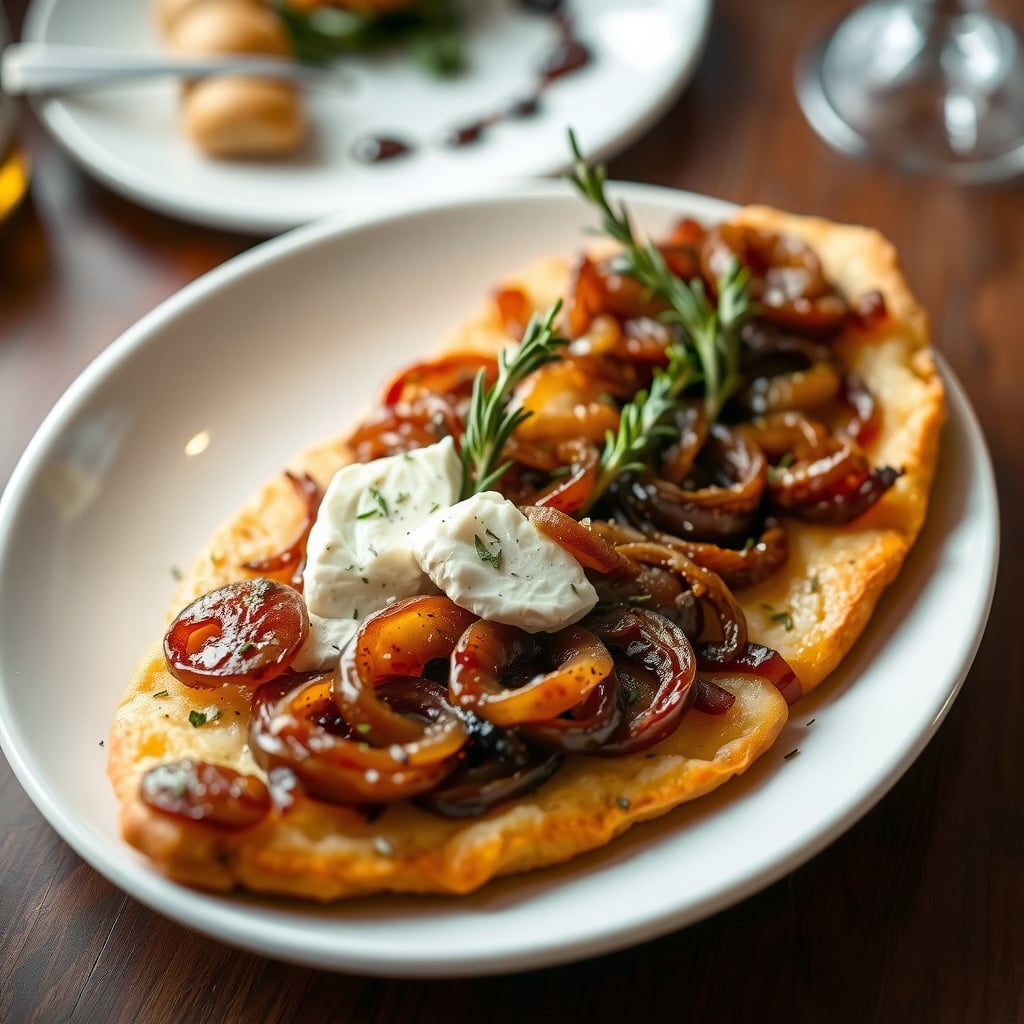
Rosemary Focaccia with Caramelized Onions and Goat Cheese
125min
4
View Full Recipe →
Ready to simplify your meal planning?
Let OttoChef AI create personalized meal plans for your family in seconds.