
The Real Math of Meal Prep: Convenience vs. Homemade Costs
Discover the hidden financial and culinary costs of convenience foods. Learn how to transition to budget-friendly, scratch-made cooking without losing time.
Marcus Rivera
Culinary Editor
May 15, 2026
6 min read
3 views
Walking through the grocery store aisles, it is easy to be seduced by the promise of 'ready-to-eat' and 'pre-chopped' convenience. After a long day, the convenience fee attached to a bag of pre-washed salad or a box of seasoned rice seems like a small price to pay for extra minutes of rest. However, when we audit our kitchen spending, we often find that we aren't just paying for time; we are paying a massive premium for inferior ingredients and diminished flavor. Understanding the true cost of convenience requires looking beyond the price tag and into the chemistry of our food.
At its core, the food industry charges a 'labor tax' on every modification made to a raw ingredient. When you buy a whole head of broccoli, you are paying for the vegetable. When you buy a bag of florets, you are paying for the vegetable, the labor of the person who cut it, the specialized plastic packaging required to keep cut edges from browning, and the increased logistics costs of shipping a more perishable item. This markup often reaches 100% to 300% of the original ingredient's cost.
The Unit Price Secret
Always look at the small 'price per ounce' or 'price per pound' label on the grocery shelf. Convenience items often hide their high cost by using smaller packaging that looks affordable at a glance, but the unit price reveals that you are often paying double for the same weight of food.
Beyond the literal dollars, there is a culinary cost to convenience. Pre-shredded cheese is a prime example. To prevent the shreds from clumping together in the bag, manufacturers coat them in potato starch or cellulose (wood pulp). While these additives are safe to eat, they interfere with the cheese's ability to melt smoothly. If you have ever wondered why a homemade mac and cheese or a pizza topping felt 'gritty' or didn't provide that classic stretch, the anti-clumping agents in your pre-shredded cheese are likely to blame. Grating your own cheese from a block takes three minutes and results in a vastly superior texture and flavor.
"The convenience fee on a bag of pre-shredded cheese isn't just the price; it's the loss of texture and melting capability."
OttoChef Culinary TeamAnother significant area of hidden costs is in pre-packaged grains and legumes. A canister of 'instant' flavored rice might cost two dollars for two servings. In contrast, a bulk bag of jasmine or basmati rice provides twenty servings for a similar price. The 'flavor' in the convenience box is typically a high-sodium powder with artificial aromatics. By learning to toast your own spices and use aromatics like garlic and onion, you create a flavor profile that is deeper, fresher, and infinitely cheaper.
The Salt Trap
Convenience foods rely heavily on sodium and sugar to maintain shelf stability and mask the dulling effects of processing. When you cook from scratch, you control the seasoning. You will often find that you need far less salt to achieve a better flavor because your ingredients haven't been sitting in a warehouse for months.
To bridge the gap between the cost savings of scratch cooking and the time savings of convenience, we must adopt the professional kitchen practice of mise en place—but on a weekly scale. You do not need to spend your entire Sunday 'meal prepping' finished containers. Instead, focus on preparing your building blocks. This 'component cooking' allows you to reap the financial benefits of whole ingredients while maintaining the speed of a 'dump and heat' meal.
Identify High-Labor Ingredients
Look at your weekly menu and identify the ingredients that take the most time to prep. This usually includes onions, carrots, celery, and hardy greens. Buy these in their whole form to save money.
The Bulk Prep Session
Dedicate 30 minutes to washing, peeling, and dicing these vegetables. Store them in airtight containers. If you have pre-diced onions and carrots in the fridge, you have effectively created your own 'convenience' kits without the 300% markup.
Batch-Cook Staples
Grains and legumes are the foundation of budget cooking. Cook a large pot of beans or a double batch of brown rice at the start of the week. These can be transformed into various cuisines—from Mediterranean bowls to stir-frys—throughout the week, eliminating the need for expensive boxed versions.
The Ten-Minute Rule
If a task takes less than ten minutes of active work—like whisking a vinaigrette or grating a block of parmesan—it is almost always better to do it yourself. The cost savings are highest on these quick tasks, and the flavor difference is most noticeable.
Transitioning away from convenience foods is also an opportunity to explore global culinary traditions that excel at low-cost, high-flavor cooking. Many cultures have perfected the art of using inexpensive pantry staples to create world-class meals. For example, the Italian tradition of cucina povera (peasant cooking) focuses on maximizing the flavor of simple ingredients like stale bread, beans, and bitter greens. Similarly, Indian dal preparations turn dried lentils into complex, aromatic dishes using nothing more than heat and a handful of well-chosen spices. These techniques are not just about saving money; they are about mastering the chemistry of flavor.
When we rely on boxes and bags, we lose our 'culinary intuition.' We stop tasting as we go because the seasoning is already decided for us. By reclaiming the preparation process, you regain control over your nutrition, your budget, and most importantly, the quality of what you put on the table. The next time you reach for the pre-chopped mirepoix, ask yourself if that five-minute shortcut is worth the price of the entire bag of onions. Usually, the answer is no.
Waste Not, Want Not
One hidden cost of convenience is waste. Pre-cut vegetables spoil significantly faster than whole ones because more surface area is exposed to oxygen. Buying whole ingredients extends the shelf life of your groceries, reducing the money lost to the trash can.
Start small. Choose one convenience item you buy regularly—perhaps bottled salad dressing or canned beans—and commit to making it yourself this week. You will find that the 'work' involved is minimal compared to the satisfaction of a meal that is both economically savvy and technically superior.
Try This Recipe
Now that you've learned about the true cost of convenience foods vs homemade, put your knowledge into practice with this recipe:
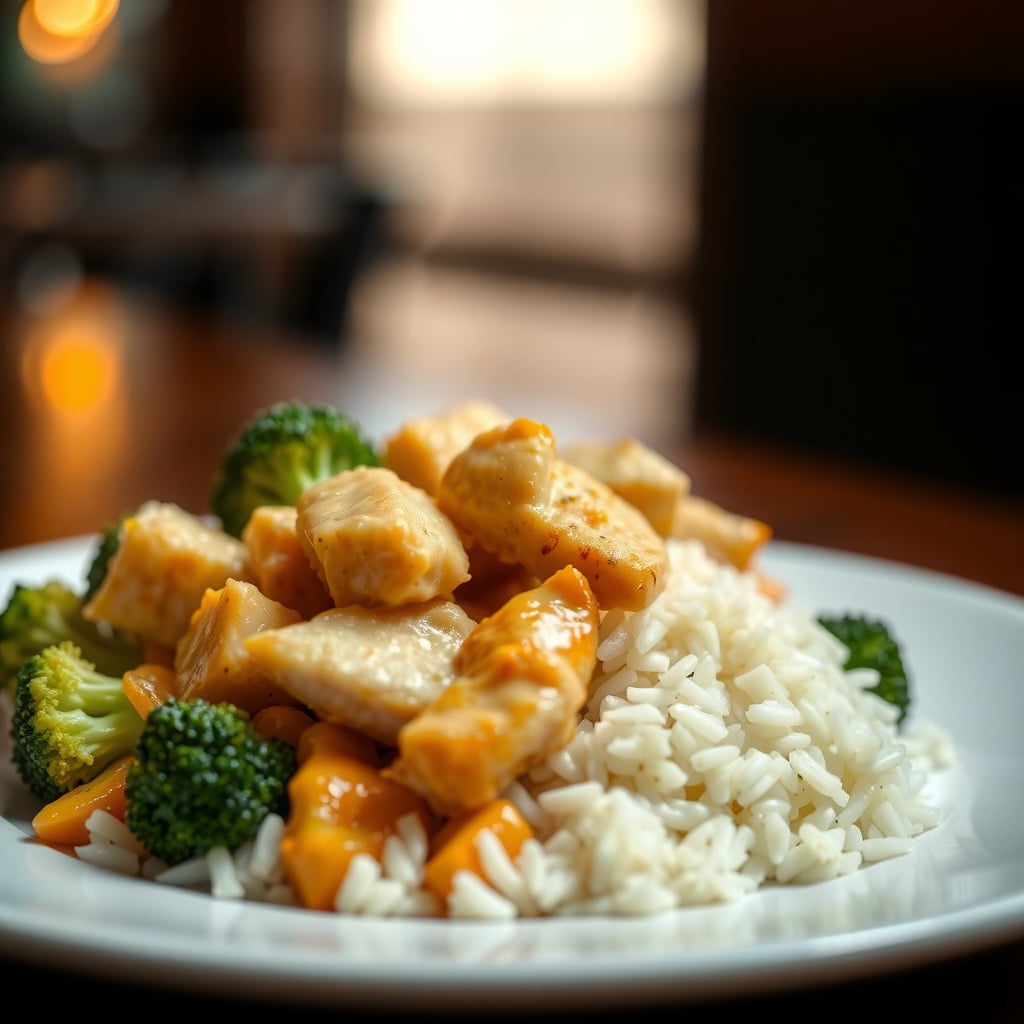
Scratch-Made Cheddar & Broccoli Chicken Skillet
45min
4
View Full Recipe →
Ready to simplify your meal planning?
Let OttoChef AI create personalized meal plans for your family in seconds.