
The Persian Sabzi Khordan Framework: Master Fresh Herb Meal Planning
Learn how the Persian tradition of Sabzi Khordan can revolutionize your weekly meal planning, dramatically reduce food waste, and elevate your daily cooking.
Emma Chen
Recipe Developer
October 2, 2026
5 min read
3 views
We have all been there: you buy a plastic clamshell of fresh tarragon or cilantro for a specific recipe, use two tablespoons, and watch the rest slowly liquefy into an unidentifiable green sludge in your refrigerator's crisper drawer. This cycle of waste is frustrating, expensive, and entirely avoidable.
To break this cycle, we can look to Iranian culinary tradition. In Persian cuisine, fresh herbs are not treated as a luxury garnish or an afterthought. Instead, they are treated as a foundational element of the meal. This practice is known as Sabzi Khordan (literally "eating greens"), and adopting its framework is one of the most effective ways to streamline your weekly meal planning, reduce waste, and instantly elevate the flavor profile of almost any dish you prepare.
Understanding Sabzi Khordan
Sabzi Khordan is a traditional Persian accompaniment consisting of a vibrant, towering platter of raw, fresh herbs, radishes, and scallions. It sits in the center of the table during lunch and dinner, alongside flatbreads, feta cheese, and walnuts.
Instead of cooking these herbs into a dish, diners grab pinches of different greens throughout the meal. A bite of rich, grilled meat is followed by a peppery sprig of watercress; a spoonful of heavy rice is balanced by a crisp, anise-scented leaf of tarragon. It acts as a palate cleanser, a digestive aid, and a customizable flavor adjuster for everyone at the table.
The Thermal Theory of Food
In traditional Iranian medicine (Teb-e Sonati), foods are categorized by their thermal nature: 'hot' (garm) or 'cold' (sard). Sabzi Khordan acts as a balancing agent. When eating 'cold' dishes like fish, rice, or yogurt, warm-natured herbs like tarragon, mint, and basil are essential to restore digestive equilibrium and maintain bodily balance.
By viewing herbs as an essential, raw side dish rather than a decorative garnish, you shift your kitchen workflow. You stop buying herbs for single recipes and start buying them in bulk as a core component of your weekly groceries.
“In a Persian kitchen, herbs are not a finishing touch; they are the canvas upon which the entire meal is painted.”
Najmieh Batmanglij, culinary historian and authorThe Three-Step Herb Longevity Protocol
The biggest barrier to adopting this framework is fear of spoilage. To make Sabzi Khordan work as a meal-planning foundation, you must master the art of washing and storing herbs so they remain crisp, vibrant, and ready-to-eat for up to seven days.
Follow this simple preparation routine immediately after returning from the market:
Sort and Trim
Discard any yellowed or slimy leaves immediately, as rot spreads quickly. Trim the bottom half-inch of the stems. For woodier herbs like rosemary or thyme (though not typically in Sabzi Khordan), you would strip the leaves, but for soft herbs like parsley, cilantro, mint, and dill, keep the tender stems intact—they pack incredible flavor and crunch.
The Cold Plunge
Fill a large bowl or clean sink with ice-cold water. Submerge your sorted herbs completely and gently swish them around. Let them sit undisturbed for three to five minutes. Dirt, sand, and grit will sink to the bottom. Lift the herbs out of the water rather than pouring the water out over them, which would re-deposit the dirt onto your clean greens.
The Dry Spin and Wrap
Run the herbs through a salad spinner until they are completely dry. If you do not have a spinner, spread them in a single layer over a clean kitchen towel and pat dry gently. Excess moisture is the ultimate enemy of herb preservation. Once dry, roll the herbs loosely in a dry paper towel or clean flour sack towel, and place them inside a reusable silicone bag or airtight container in your refrigerator.
Avoid the Plastic Clamshell Trap
Buying pre-packaged, tiny plastic clamshells of herbs is expensive and leads to rapid spoilage due to trapped moisture. Visit international markets, farmers' markets, or local grocers where herbs are sold in large, banded bunches. This is the secret to making the Sabzi Khordan framework cost-effective and practical.
Building Your Weekly Herb Palette
A traditional Sabzi Khordan platter balances sweet, peppery, bitter, and sharp flavor profiles. When planning your weekly herb purchase, aim for a mix of these profiles to ensure variety:
- Sweet and Aromatic: Persian basil (reyhan) or Italian sweet basil, mint, and dill.
- Anise-Scented: Fresh tarragon (tarkhon). This is a crucial element that adds a sophisticated, slightly licorice-like contrast to savory dishes.
- Peppery and Sharp: Watercress (shahi), radishes (torobcheh), and rocket (arugula).
- Alliums: Scallions (piyazcheh) or chives, sliced lengthwise to expose their sweet interiors.
- Earthy and Mild: Flat-leaf parsley (jafari) and cilantro (geshniz).
Reviving Wilted Herbs
Don't discard slightly limp herbs. Trim the stems and submerge them in a bowl of ice-cold water for 15 to 30 minutes. The cells will rehydrate through osmosis, restoring their crisp, crunchy texture before you serve them.
Integrating the Framework into Modern Meal Planning
You do not have to cook exclusively Persian food to benefit from this framework. Having a prepped, ready-to-eat container of mixed herbs changes how you approach daily meals:
- Breakfast: Stuff a handful of mixed herbs, a slice of feta, and a walnut half inside a warm pita or tortilla for a quick, energizing breakfast wrap.
- Lunch: Toss your prepared herbs directly into grain bowls, or use them as a replacement for standard leafy greens in sandwiches to add intense flavor without heavy dressings.
- Dinner: Serve a platter of these greens alongside heavy, rich mains like slow-cooked stews, roasted chicken, grilled steaks, or pasta. The fresh herbs cut through the fat, cleansing your palate between bites and making the entire meal feel lighter and more balanced.
By treating fresh herbs as a primary vegetable category rather than a minor detail, you will naturally consume more micronutrients, elevate the presentation of your daily meals, and eliminate food waste from your kitchen.
Try This Recipe
Now that you've learned about the persian sabzi khordan framework: redefining fresh herbs as a meal-planning foundation, put your knowledge into practice with this recipe:
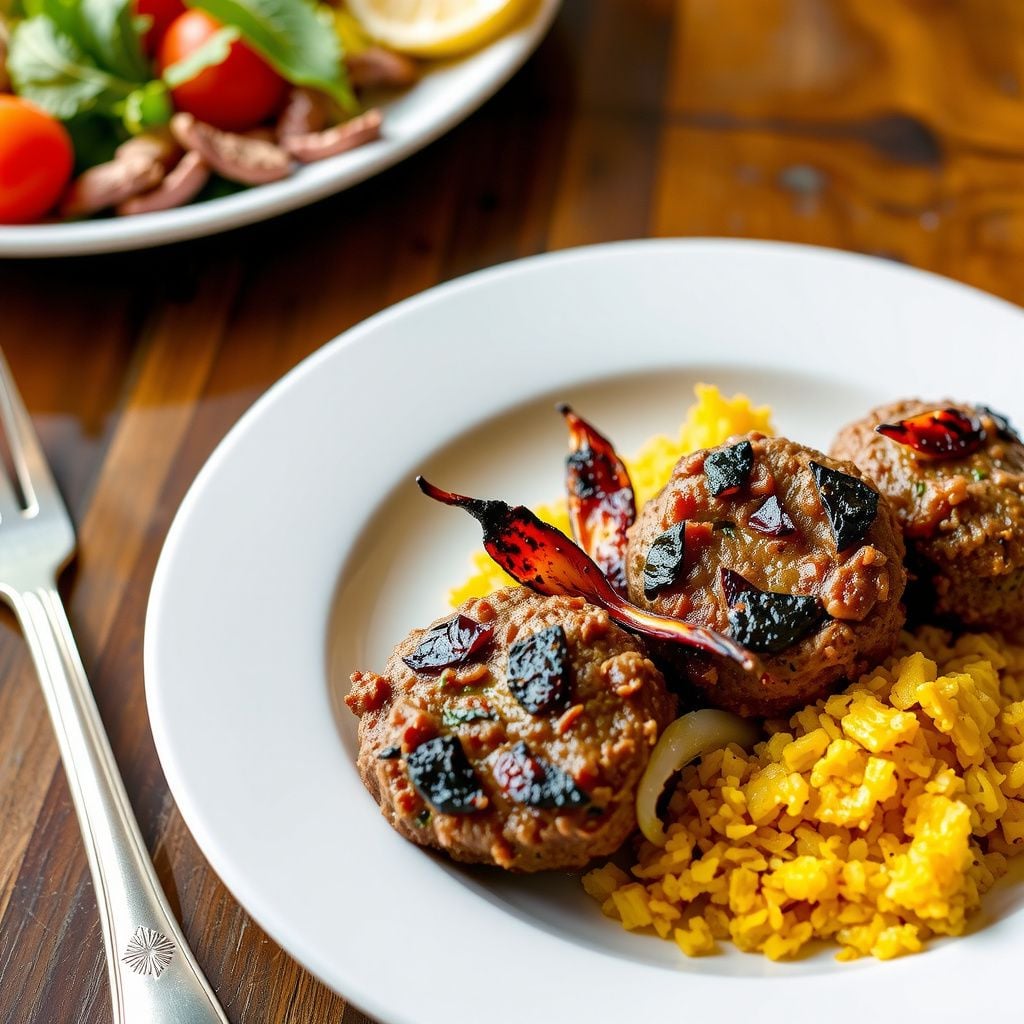
Persian-Style Lamb Kofta with Saffron Rice and Sabzi Khordan Platter
50min
4
View Full Recipe →
Ready to simplify your meal planning?
Let OttoChef AI create personalized meal plans for your family — free to use, no credit card.