
The Mustard Seed Hack: Unlocking the True Nutrition of Cooked Broccoli
Learn the food science behind using ground mustard seeds to reactivate sulforaphane, the powerful health compound in cooked cruciferous vegetables.
Emma Chen
Recipe Developer
August 7, 2026
5 min read
25 views
You heat up your skillet, toss in a head of vibrant green broccoli, and roast it to caramelized perfection. It tastes incredible, but biochemically, a quiet loss has occurred. While cooking makes vegetables tender and delicious, the heat inactivates a crucial enzyme responsible for producing one of nature's most potent health-promoting compounds. Fortunately, a simple kitchen science secret involving a humble pantry spice can completely restore this nutritional loss.
Cruciferous vegetables—including broccoli, Brussels sprouts, cabbage, cauliflower, kale, and bok choy—are famous for their health benefits. Much of this reputation comes from a compound called sulforaphane. Sulforaphane is a powerful antioxidant and anti-inflammatory agent that supports cellular health and detoxification. However, sulforaphane does not actually exist inside a whole, raw vegetable. It requires a chemical reaction to come alive.
The Chemistry of Cruciferous Vegetables
Inside the cells of raw cruciferous vegetables, two separate components are kept in different compartments: a precursor compound called glucoraphanin, and an enzyme called myrosinase. When you chop, chew, or crush the raw vegetable, these cell walls rupture. The enzyme meets the precursor, and through this contact, sulforaphane is created.
Here is the problem for home cooks: myrosinase is highly sensitive to heat. When you steam, microwave, roast, or boil your vegetables, the heat destroys the myrosinase enzyme before it has a chance to convert the precursor into active sulforaphane. You are left with plenty of the precursor compound, but no key to unlock it.
The Myrosinase Myth
Many people believe eating raw broccoli is the only way to get sulforaphane. However, raw broccoli can be tough on digestion, and cooking actually makes other nutrients, like carotenoids, much more bioavailable. You do not have to choose between digestive comfort and nutrition.
Enter the Mustard Seed
Mustard seeds belong to the exact same botanical family as broccoli: the Brassicaceae family. Because they are cruciferous seeds, they are packed with an incredibly concentrated, heat-stable form of raw myrosinase.
By adding a tiny amount of raw mustard seed powder to your cooked cruciferous vegetables, you reintroduce the active myrosinase enzyme. The fresh enzyme in the mustard powder immediately goes to work on the heat-surviving precursors in your cooked broccoli, generating fresh sulforaphane right on your plate. This simple interaction essentially reactivates the health benefits of the raw vegetable while allowing you to enjoy the flavor and texture of a cooked meal.
“By understanding the cellular chemistry of our food, we can use simple pantry staples to unlock nutritional benefits that cooking normally destroys.”
Chef Alexis Vance, OttoChef Culinary DirectorHow to Apply the Mustard Hack in Your Kitchen
Reactivating these healthy compounds is straightforward and fits easily into your daily cooking routine. You do not need expensive supplements—just a jar of ground mustard seed from the spice aisle.
Chop and Prep
Cut your cruciferous vegetables into your desired sizes. If you have time, let them sit on the cutting board for 10 minutes before cooking to allow some initial enzyme activity to occur naturally.
Cook as Desired
Roast, steam, or sauté the vegetables until they reach your preferred tenderness. Avoid boiling them directly in large amounts of water, as this leaches the water-soluble precursors out of the vegetables and down the drain.
The Mustard Spark
Once the vegetables are cooked and transferred to a serving dish, dust them with a light pinch of raw ground mustard powder. Toss gently to distribute. The residual warmth of the food will help activate the reaction without destroying the new enzymes.
The 'Hack and Hold' Method
If you do not want to use mustard, chop your cruciferous vegetables and let them sit for 40 minutes before cooking. This gives the native myrosinase enough time to create sulforaphane, which is highly heat-stable once it has already been formed.
Alternative Sources of Myrosinase
If you do not have ground mustard seed in your pantry, or if you want to experiment with different flavor profiles, several other raw cruciferous ingredients contain active myrosinase and can achieve the exact same effect:
- Prepared Mustard: A small dollop of Dijon or stone-ground mustard whisked into a warm vinaigrette.
- Daikon Radish: Raw, grated daikon radish served alongside cooked greens.
- Horseradish or Wasabi: A tiny smear added to a glaze or sauce for an extra kick of clearing heat.
- Arugula: Toss a handful of raw, peppery arugula leaves with hot, roasted broccoli or cauliflower.
Watch the Heat
Do not add mustard powder or raw mustard seeds to a boiling-hot pan or during the active cooking process. Wait until the vegetables are plated or have cooled slightly below 140°F (60°C) to prevent destroying the fresh myrosinase enzyme you are trying to introduce.
Building Flavor with Science
Using mustard to boost nutrition does not mean your food has to taste aggressively of mustard. Because the enzyme is so potent, you only need a microscopic amount—about 1/4 teaspoon for an entire head of broccoli. At this concentration, the mustard powder is virtually tasteless, acting as a silent nutritional booster.
If you do enjoy the flavor, you can lean into it. Create a warm side dish by tossing roasted Brussels sprouts with a drizzle of extra virgin olive oil, a squeeze of fresh lemon juice, a pinch of sea salt, and half a teaspoon of ground mustard seed. You will create a bright, savory flavor profile while maximizing the bioavailability of the vegetable's most protective compounds.
By bridging the gap between food science and daily culinary habits, you can elevate your home cooking to support both your palate and your physical well-being.
Try This Recipe
Now that you've learned about how mustard seed reactivates healthy compounds in cooked cruciferous vegetables, put your knowledge into practice with this recipe:
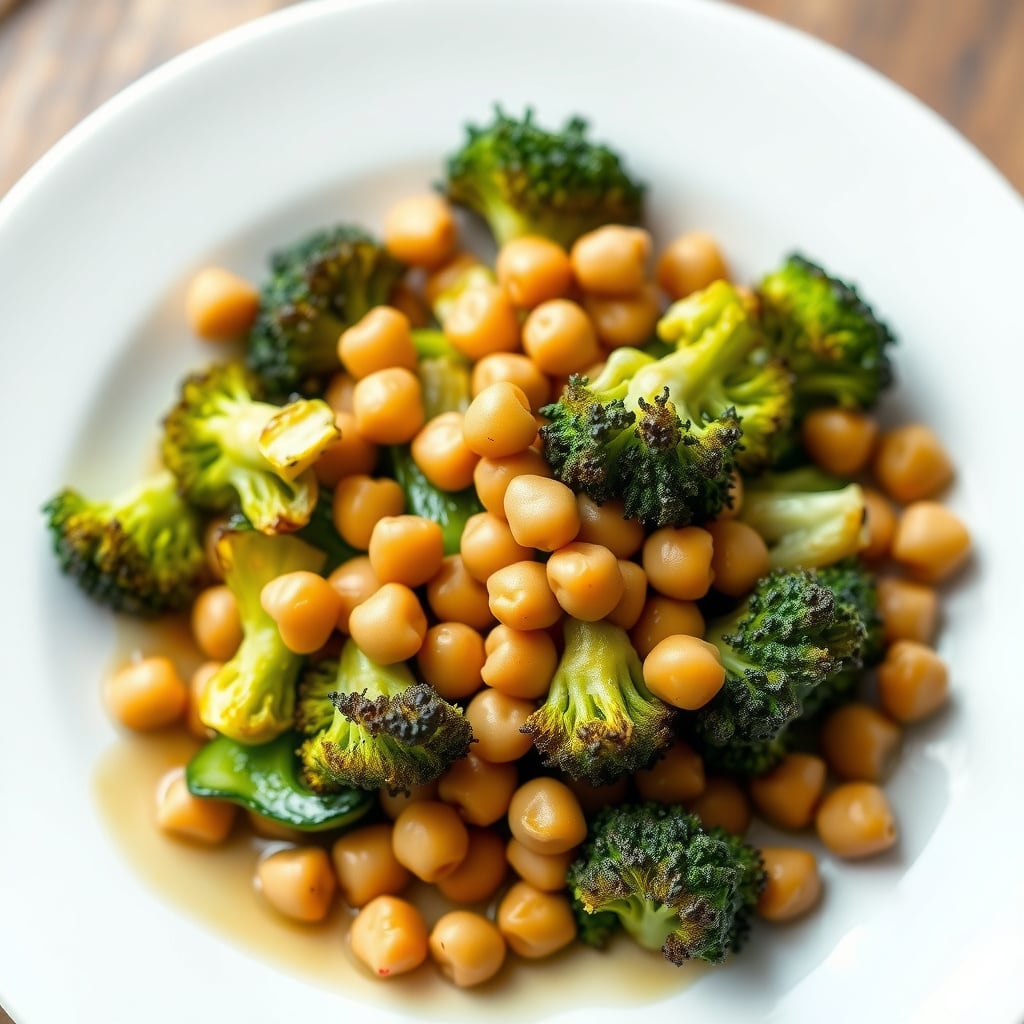
Warm Roasted Broccoli and Chickpea Salad with Mustard-Lemon Dressing
35min
4
View Full Recipe →
Ready to simplify your meal planning?
Let OttoChef AI create personalized meal plans for your family — free to use, no credit card.