
The Korean Banchan System: Master the Art of Modular Meal Prep
Tired of eating the same prepped meal five days in a row? Discover how the Korean banchan system offers a modular, exciting approach to weekly meal planning.
Alex Thompson
Food Editor
August 17, 2026
5 min read
1 view
Many home cooks abandon meal prep because of a common phenomenon: meal fatigue. Eating identical containers of seasoned chicken breast, roasted sweet potatoes, and broccoli by Wednesday feels less like a convenience and more like a chore. The solution to this culinary monotony doesn't require finding dozens of new recipes. Instead, it requires changing your meal architecture.
By adopting the traditional Korean system of banchan—an array of small, prepared side dishes kept in the refrigerator and served alongside freshly cooked rice—you can unlock a modular approach to eating. This system allows you to mix, match, and assemble vibrant, nutritionally balanced meals in under five minutes, all while keeping your palate engaged.
The Linguistic Roots of Banchan
In Korean, "banchan" (반찬) literally translates to "side dishes." Historically, the complexity of a Korean meal was measured by the number of banchan served (known as bansang), ranging from three basic dishes for everyday meals to twelve for royal court cuisine.
The Philosophy of Modular Eating
Traditional Western meal prep focuses on the "monolith meal"—a single, self-contained recipe portioned into individual containers. The banchan system, however, relies on modular components. When you decouple your proteins, vegetables, and starches, you create a pantry of ready-to-eat elements that can be combined in infinite ways.
On Monday, your plate might feature seasoned spinach, pickled radishes, and braised beef over warm rice. On Tuesday, those same vegetables can be tossed into a hot pan with a fried egg and chili paste to make bibimbap. On Wednesday, they can tuck inside a wrap or fill out a quick noodle soup. Because the individual components are highly seasoned, they act as flavor concentrates, transforming simple grains or proteins into a complete meal.
“Banchan is not an afterthought; it is the structural backbone of the Korean table, designed to turn a simple bowl of rice into a complex, satisfying feast.”
Ji-Young Park, Culinary HistorianThe Anatomy of a Banchan Prep
To build a successful modular prep system, you need a balance of textures, temperatures, and flavors. Korean banchan are generally categorized by their cooking techniques. A well-rounded prep should include at least one dish from each of these categories:
1. Namul (Seasoned Vegetables)
These are vegetables that have been blanched, steamed, or sautéed, then seasoned with sesame oil, garlic, soy sauce, and toasted sesame seeds. Common choices include spinach, bean sprouts, and blanched zucchini. They provide fresh, earthy flavors and essential nutrients.
2. Jorim (Simmered or Braised)
These dishes are gently simmered in a seasoned liquid, usually based on soy sauce, kelp broth, and a sweetener. The slow braising process infuses the ingredients deeply, making them highly savory and shelf-stable. Excellent candidates include braised baby potatoes, firm tofu, or hard-boiled eggs.
3. Bokkeum (Stir-Fried)
Quickly stir-fried over high heat, these dishes often feature a balance of savory, sweet, and spicy notes. Examples include stir-fried anchovies, dried squid, or spicy stir-fried pork. They add concentrated umami and varied textures to your spread.
4. Jangajji (Pickled) and Kimchi (Fermented)
Acidic, salty, and fermented dishes cut through the richness of proteins and provide digestive enzymes. Pickled garlic scapes, quick-pickled cucumbers, or classic cabbage kimchi are essential for cleansing the palate between bites.
The Secret of High-Impact Seasoning
Because banchan are eaten with plain, unseasoned steamed rice, they are intentionally seasoned more aggressively than standalone dishes. Don't be afraid of salt, garlic, sesame oil, and acid—they are meant to flavor the rice in your mouth, not to be eaten as massive solo portions.
Master the Foundation: The Namul Technique
To begin your modular prep journey, master the technique of making namul. This process can be applied to almost any green vegetable, from spinach and Swiss chard to broccoli rabe and kale.
Blanch
Drop your cleaned greens into a large pot of boiling, heavily salted water. Cook for only 30 to 60 seconds until they turn a vibrant, bright green.
Shock and Squeeze
Immediately plunge the greens into an ice bath to stop the cooking process. Once cold, gather the greens into a ball and squeeze out as much water as physically possible. Excess water dilutes your seasonings and accelerates spoilage.
Dress and Emulsify
Chop the squeezed greens into bite-sized pieces. In a mixing bowl, combine them with minced raw garlic, a pinch of salt, toasted sesame oil, and toasted sesame seeds. Use your hands to gently massage the dressing into the fibers of the greens to ensure even distribution.
Storage and Food Safety for Banchan
Because many banchan are dry, highly seasoned, or acidic, they store exceptionally well. However, to make your prep last the entire week, you must practice proper kitchen hygiene.
Keep It Clean for Longevity
To prevent premature spoiling, never eat directly out of your banchan storage containers. Moisture and enzymes from your saliva will introduce bacteria. Always use clean, dry serving utensils to portion out what you need onto your plate, then seal and return the containers to the refrigerator immediately.
Most namul (seasoned greens) will keep well for 3 to 4 days. Jorim (braised dishes) and bokkeum (stir-fries) easily last 5 to 7 days due to their lower moisture content and higher salt concentrations. Pickled jangajji can keep for several weeks to months.
By spending just ninety minutes on a Sunday preparing three or four modular banchan, you set yourself up for a week of effortless, dynamic meals. Let go of the single-container meal prep and embrace the variety, balance, and efficiency of the Korean table.
Try This Recipe
Now that you've learned about the korean banchan system: master the art of modular meal prep, put your knowledge into practice with this recipe:
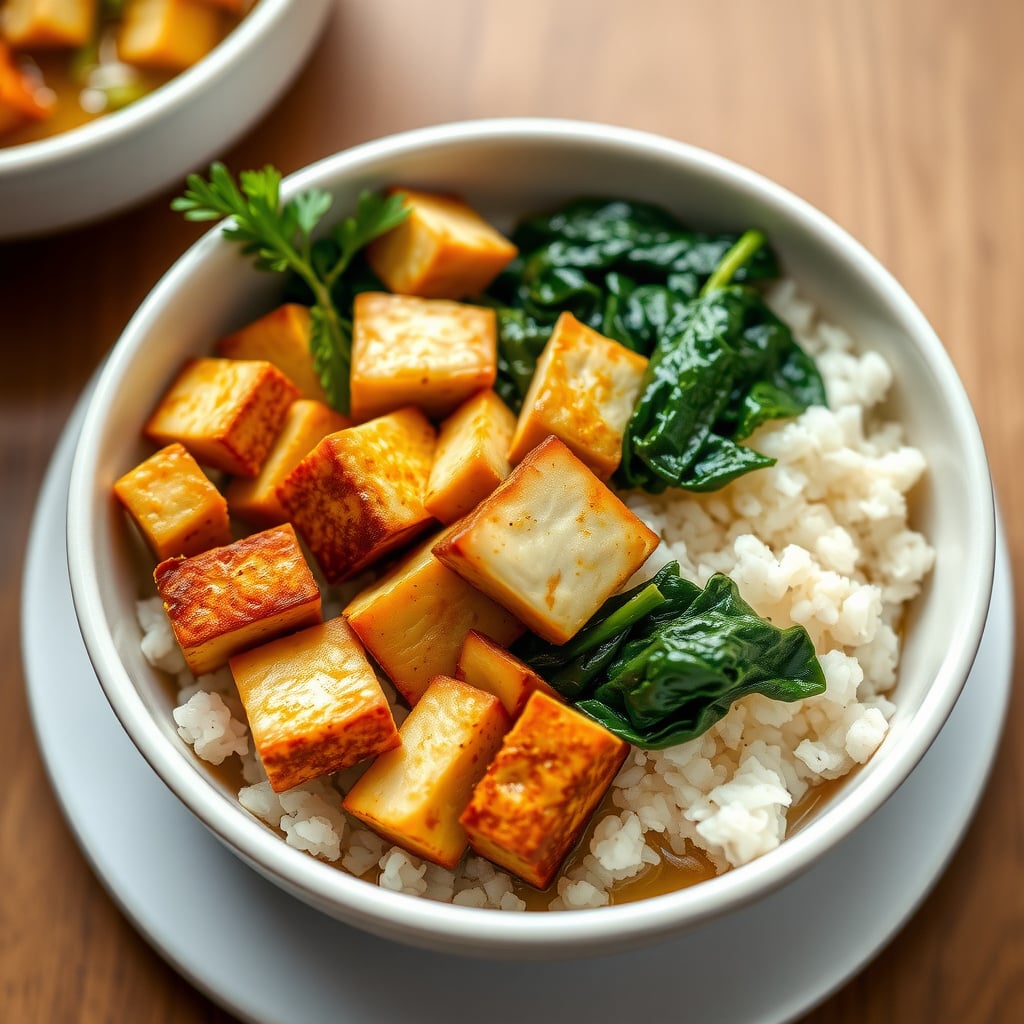
Modular Banchan Rice Bowl (Deopbap) with Braised Tofu and Seasoned Spinach
40min
4
View Full Recipe →
Ready to simplify your meal planning?
Let OttoChef AI create personalized meal plans for your family — free to use, no credit card.