
The Japanese Ichiju-Sansai Framework for Balanced Meal Planning
Learn how the traditional Japanese meal structure of Ichiju-Sansai (one soup, three dishes) can simplify your weekly meal planning and improve nutrition.
Sofia Rossi
Kitchen Editor
July 20, 2026
5 min read
13 views
Every home cook has experienced the mid-week decision fatigue of staring into the refrigerator, wondering how to build a complete, satisfying dinner. We often try to make a single dish do all the heavy lifting—crafting a massive, complex pasta or a heavy casserole to ensure everyone leaves the table full. This approach frequently leads to overcomplication, food waste, and a lack of nutritional variety.
By looking to traditional Japanese culinary philosophy, we can adopt a structured, elegant solution to this daily challenge: Ichiju-Sansai. Translating literally to "one soup, three dishes," this centuries-old template provides an easy-to-follow blueprint for assembling balanced, deeply satisfying meals without requiring hours of complex preparation.
Understanding the Anatomy of Ichiju-Sansai
At its core, Ichiju-Sansai is not a set of rigid recipes, but rather a structural framework. It divides a meal into distinct, manageable components that work together to create harmony in texture, temperature, flavor, and nutrition.
The standard layout consists of five elements on the table:
- Gohan (Rice): The foundational carbohydrate, typically plain steamed short-grain rice. Because it is unseasoned, it acts as a neutral canvas for the other dishes.
- Ju (Soup): Most commonly miso soup, though it can be a clear broth (osumashi). It provides hydration, aids digestion, and delivers savory depth.
- Shusai (The Main Dish): The primary protein source, such as grilled fish, simmered tofu, or pan-seared chicken. This provides the most substantial satiety.
- Two Fukasai (Side Dishes): These are smaller, vegetable-focused sides. They might include simmered root vegetables, blanched greens with sesame dressing, or a quick cucumber salad. They supply vital vitamins, minerals, and contrasting textures.
- Tsukemono (Pickles): Though present at almost every meal, pickles are not counted toward the "three dishes" of the title. They serve as a palate cleanser and digestion aid.
The Origin of Balance
Ichiju-Sansai has its roots in traditional Japanese temple food (shojin ryori) and formal tea ceremonies, evolving over centuries into the foundation of domestic Japanese dining. It prioritizes seasonal ingredients, minimal waste, and diverse cooking methods to celebrate the natural flavors of food.
Why This Structure Simplifies Meal Planning
When you plan meals using this template, you stop asking "What should I cook for dinner?" and start asking "What is my main, what are my two vegetable sides, and what is my soup?" This shift in perspective dramatically simplifies grocery shopping and prep work.
First, it prevents culinary monotony. Because you are preparing three distinct dishes alongside a soup, you can vary your cooking methods. If your main dish is fried or sautéed, your side dishes should be steamed, raw, or simmered. This natural distribution of cooking techniques means you are rarely running out of burner space or oven capacity.
Second, it is highly efficient for batch cooking. While your main protein might be cooked fresh, your side dishes (fukasai) can easily be prepared ahead of time in larger quantities. Many Japanese side dishes are designed to taste better after sitting in the refrigerator for a day or two, allowing you to pull together a multi-dish meal in under fifteen minutes on a weeknight.
“Designing a meal through Ichiju-Sansai isn't about complexity; it is about dividing the labor of your plate so that no single dish has to carry the burden of being everything at once.”
OttoChef Culinary TeamDesigning Your Own Balanced Plate
You do not need to cook exclusively Japanese food to benefit from this framework. You can easily apply Western, Mediterranean, or Mexican flavors to the Ichiju-Sansai structure.
Establish the Anchor
Choose your grain and your soup. This could be classic steamed brown rice and a simple miso soup, or it could be quinoa paired with a light, broth-based vegetable soup. These elements stay relatively consistent, anchoring the meal.
Select the Main (Shusai)
Pick your primary protein. If you choose a rich, pan-seared salmon fillet, you know your side dishes should lean lighter and more refreshing to cut through the richness of the fish.
Map the Sides (Fukasai)
Select two small side dishes using different cooking techniques than your main. If your fish was pan-seared, make one side a raw, crunchy cabbage slaw, and the other a warm, braised green bean dish.
The 5-Color Rule
To ensure nutritional balance without counting calories, aim to include five colors on your table: red, yellow, green, black (or dark purple/brown), and white. This naturally diversifies your vitamin and antioxidant intake.
Practical Tips for the Home Cook
Transitioning to this style of dining is easiest when you lower the barrier to entry. Do not attempt to cook four brand-new recipes from scratch on a Tuesday evening.
Watch the Sodium
Because soup, fermented items, and soy-seasoned sides contain salt, balance your menu by keeping your grains entirely unseasoned and at least one vegetable side dish very lightly dressed. This maintains a clean palate throughout the meal.
Start by utilizing your freezer. Keep portioned, cooked rice in the freezer that can be reheated in minutes. Rely on simple, single-ingredient side dishes: a handful of cherry tomatoes tossed with a touch of sea salt, or leftover roasted broccoli served cold with a drizzle of lemon juice.
By adopting the structured rhythm of Ichiju-Sansai, you will find that meal planning becomes less of a chore and more of an intuitive, creative exercise. Your plates will be more colorful, your dinners more nutritionally complete, and your weeknight cooking routine far more peaceful.
Try This Recipe
Now that you've learned about the japanese ichiju-sansai framework: structural meal planning for effortless daily balance, put your knowledge into practice with this recipe:
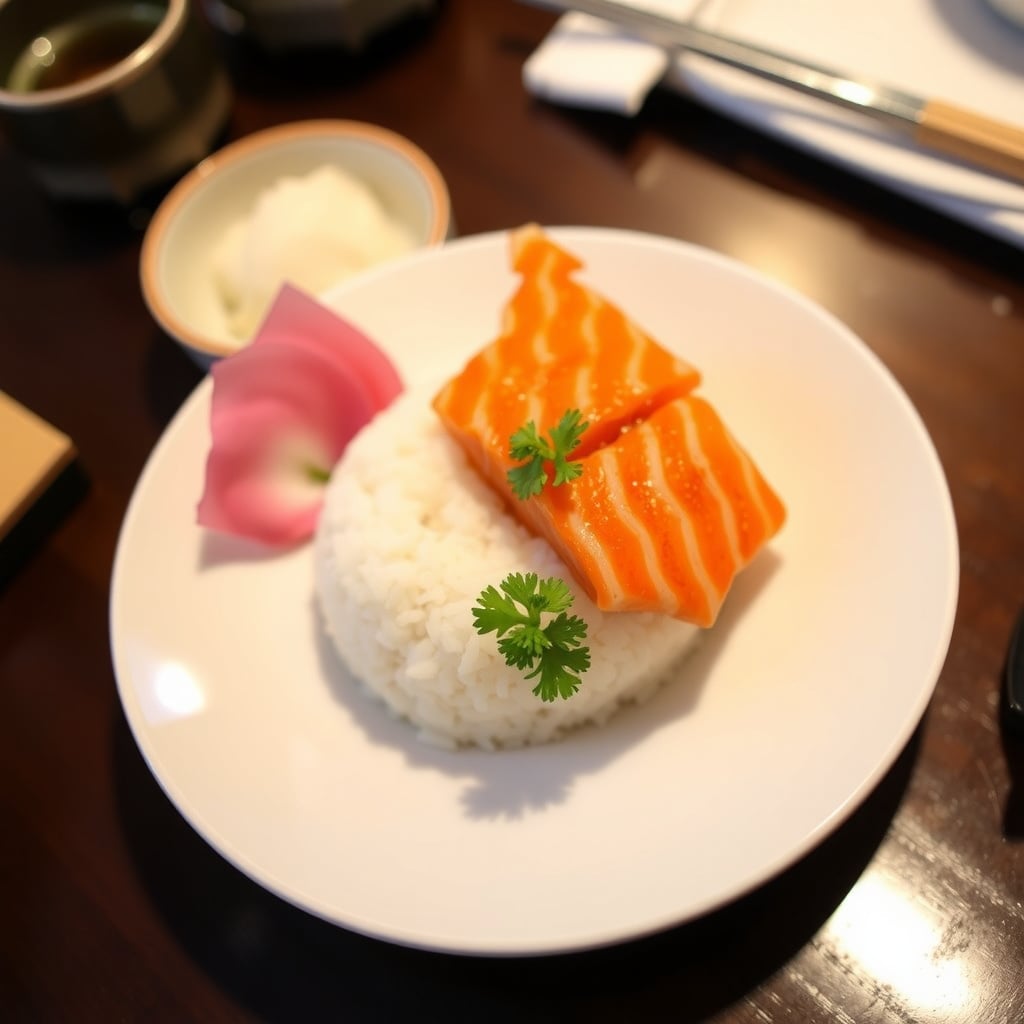
Classic Ichiju-Sansai Dinner Set with Ginger-Soy Salmon
55min
4
View Full Recipe →
Ready to simplify your meal planning?
Let OttoChef AI create personalized meal plans for your family — free to use, no credit card.