
The Complete Guide to Prepping Vegetables That Stay Fresh All Week
Master professional techniques for prepping vegetables ahead while maintaining peak freshness, texture, and nutrients. Transform your meal prep game with science-backed strategies.
Alex Thompson
Food Editor
March 16, 2026
8 min read
11 views
You open your refrigerator mid-week to find your carefully prepped vegetables have turned into a wilted, slimy disappointment. Sound familiar? The gap between aspirational meal prep and reality often comes down to one critical skill: understanding how to prepare vegetables in ways that preserve their freshness, texture, and nutritional value.
The truth is, not all vegetables respond the same way to advance preparation. Some thrive when prepped ahead, while others deteriorate rapidly once cut. Learning which techniques work for which vegetables transforms meal prep from a Sunday chore that barely lasts until Wednesday into a sustainable system that genuinely saves time and reduces waste.
Understanding Vegetable Cell Structure
When you cut into a vegetable, you're rupturing millions of cell walls. This releases enzymes that trigger oxidation, moisture loss, and eventually decomposition. Professional kitchens combat this through precise techniques tailored to each vegetable's cellular structure.
The Science of Browning
When you cut vegetables like potatoes or eggplant, the enzyme polyphenol oxidase reacts with oxygen, causing browning. This doesn't make them unsafe, but it affects appearance and can create bitter flavors. Acidulated water (water with lemon juice or vinegar) slows this reaction significantly.
The key is matching your prep method to the vegetable's water content, cellular density, and enzymatic activity. Leafy greens need completely different handling than root vegetables, and cruciferous vegetables have their own requirements.
The Dry-Storage Method for Hardy Vegetables
Root vegetables and winter squash contain less water and denser cell structures, making them excellent candidates for advance prep. Here's how to maximize their storage life:
Clean and Dry Thoroughly
Wash vegetables under cool water, then dry completely with clean towels. Any residual moisture accelerates spoilage.
Cut According to Cooking Method
Dice for roasting, slice for sautéing, or leave in larger chunks for longer cooking methods. Uniform sizing ensures even cooking later.
Store in Breathable Containers
Use containers with small ventilation holes or leave lids slightly ajar. Complete air-tight sealing traps moisture and promotes mold growth.
Carrots, beets, turnips, sweet potatoes, and butternut squash prepared this way maintain excellent quality for 4-5 days. Keep them in the coldest part of your refrigerator (usually the back of the bottom shelf).
The Paper Towel Trick
Line your storage container with paper towels to absorb excess moisture. Replace the towels every 2-3 days if they become damp. This simple step can extend freshness by several days.
Water-Storage for Maximum Crispness
Some vegetables actually benefit from submersion in water, which maintains turgor pressure (the firmness created by water-filled cells). This works exceptionally well for vegetables you want to stay crisp:
Celery, carrots (whole or sticks), radishes, and jicama can be stored submerged in cold water for up to a week. Change the water every 2-3 days to prevent bacterial growth. This technique is standard in restaurant prep kitchens where vegetables need to stay crisp for service.
Cut bell peppers also respond well to water storage, though they should be used within 3-4 days. Store them in containers with just enough water to cover, changing it every other day.
"The difference between limp and crisp vegetables often comes down to understanding cellular hydration, not just refrigeration temperature."
Chef Jacques PépinThe Blanch-and-Shock Technique
For cruciferous vegetables and green beans, blanching before storage actually extends freshness while partially cooking them for quicker final preparation. This technique deactivates enzymes that cause deterioration:
Prepare Ice Bath
Fill a large bowl with ice water before you begin. You'll need this immediately after blanching.
Blanch Briefly
Boil vegetables for 1-3 minutes depending on size and density. Broccoli florets need 2 minutes, green beans need 3 minutes, Brussels sprouts need 3-4 minutes.
Shock in Ice Water
Immediately transfer vegetables to ice water to stop the cooking process. Leave them until completely cool, about 5 minutes.
Dry Completely
Drain thoroughly and pat dry with clean towels. Spread on a baking sheet lined with paper towels for 10-15 minutes to ensure complete drying.
Store Properly
Transfer to airtight containers with a paper towel layer. These will keep for 5-7 days and only need brief reheating or finishing.
This method works beautifully for broccoli, cauliflower, green beans, snap peas, and Brussels sprouts. You've essentially done 80% of the cooking work, so weeknight meals become assembly rather than full cooking sessions.
Don't Over-Blanch
Vegetables continue cooking slightly even after shocking, so err on the side of under-blanching. You want them tender-crisp, not fully cooked. Over-blanched vegetables turn mushy when reheated.
Leafy Greens Require Special Handling
Leafy greens are the most challenging vegetables to prep ahead because their high surface area and delicate cell walls make them vulnerable to wilting and decay. However, the right technique makes 5-6 day storage possible:
For sturdy greens (kale, collards, chard): Remove stems, wash thoroughly, and spin completely dry in a salad spinner. Store in containers lined with paper towels, with additional towels layered between leaves. These can be prepped and stored for 5-6 days.
For tender greens (spinach, arugula, lettuce): Only wash what you'll use within 2-3 days. Store unwashed greens in their original containers or breathable bags with paper towels. Wash just before using.
The Salad Spinner Investment
A quality salad spinner is essential for proper greens storage. Wet leaves deteriorate rapidly, and towel-drying alone can't remove enough moisture. Spin greens until no water droplets appear when you spin again.
Alliums and Aromatics Strategy
Onions, garlic, shallots, and ginger are prep workhorses, but they require specific handling:
Chopped onions and shallots: Store in airtight containers for up to 4 days. Their strong smell requires complete sealing to avoid permeating other foods. Expect some loss of pungency, which can actually be beneficial for raw applications.
Minced garlic: Mix with a small amount of neutral oil to prevent oxidation and browning. This creates a ready-to-use paste that lasts 5-7 days. Avoid storing in water, which leaches flavor.
Grated ginger: Store in small portions (1-2 tablespoon amounts) in ice cube trays with a tiny bit of water, then freeze. Pop out cubes as needed. This maintains flavor better than refrigerated ginger paste.
The Enzyme Factor
Alliums contain alliinase enzymes that create their characteristic flavors when cells are damaged. These enzymes remain active after cutting, which is why onion flavor intensifies in storage. This works to your advantage for cooked dishes but can be overwhelming in raw applications.
Mushrooms Break All the Rules
Mushrooms are unique because they're fungi, not vegetables, and contain up to 90% water. Never wash mushrooms before storage—moisture is their enemy. Instead:
- Store whole, unwashed mushrooms in paper bags (never plastic) for up to a week
- Wipe with damp paper towels only when ready to use
- If you must prep ahead, slice and sauté immediately, then refrigerate the cooked mushrooms for up to 5 days
- Cooked mushrooms actually store better than raw ones because cooking removes excess moisture
Tomatoes and Peppers: The Exceptions
Nightshades require counter-intuitive handling. Whole tomatoes should never be refrigerated—cold temperatures destroy their texture and flavor compounds. However, once cut, they must be refrigerated and used within 2-3 days.
Bell peppers, conversely, maintain quality when cut and stored dry in airtight containers for 5-6 days. Remove all seeds and membranes before storage, as these deteriorate faster than the flesh.
The Refrigeration Paradox
Some vegetables lose quality in cold storage (tomatoes, basil, potatoes), while others require it. Understanding these differences prevents waste and disappointment. When in doubt, store cut vegetables cold and whole vegetables at room temperature, with exceptions for leafy greens and cruciferous vegetables.
Building Your Prep System
The most effective meal prep systems categorize vegetables by storage method rather than by recipe. Dedicate specific containers to each technique:
- Container 1: Dry-stored root vegetables
- Container 2: Water-stored crisp vegetables
- Container 3: Blanched cruciferous vegetables
- Container 4: Leafy greens with paper towels
- Container 5: Alliums and aromatics
This organization makes it immediately clear what needs attention (water changes, paper towel replacement) and what's ready to use.
Mastering these techniques doesn't just save time—it transforms your relationship with cooking. When vegetables are properly prepped and stored, healthy meals become accessible even on your most hectic days. The key is working with each vegetable's biology rather than against it, treating prep as a skill worth developing rather than a chore to rush through.
Start with one or two techniques that address your biggest pain points. Maybe you're tired of wilted salad greens, or you want roasted vegetables ready to go. Build competence gradually, and you'll develop an intuition for which vegetables need which approach. Your future self, opening that refrigerator mid-week to find crisp, fresh vegetables ready for dinner, will thank you.
Try This Recipe
Now that you've learned about vegetable prep techniques that maintain freshness, put your knowledge into practice with this recipe:
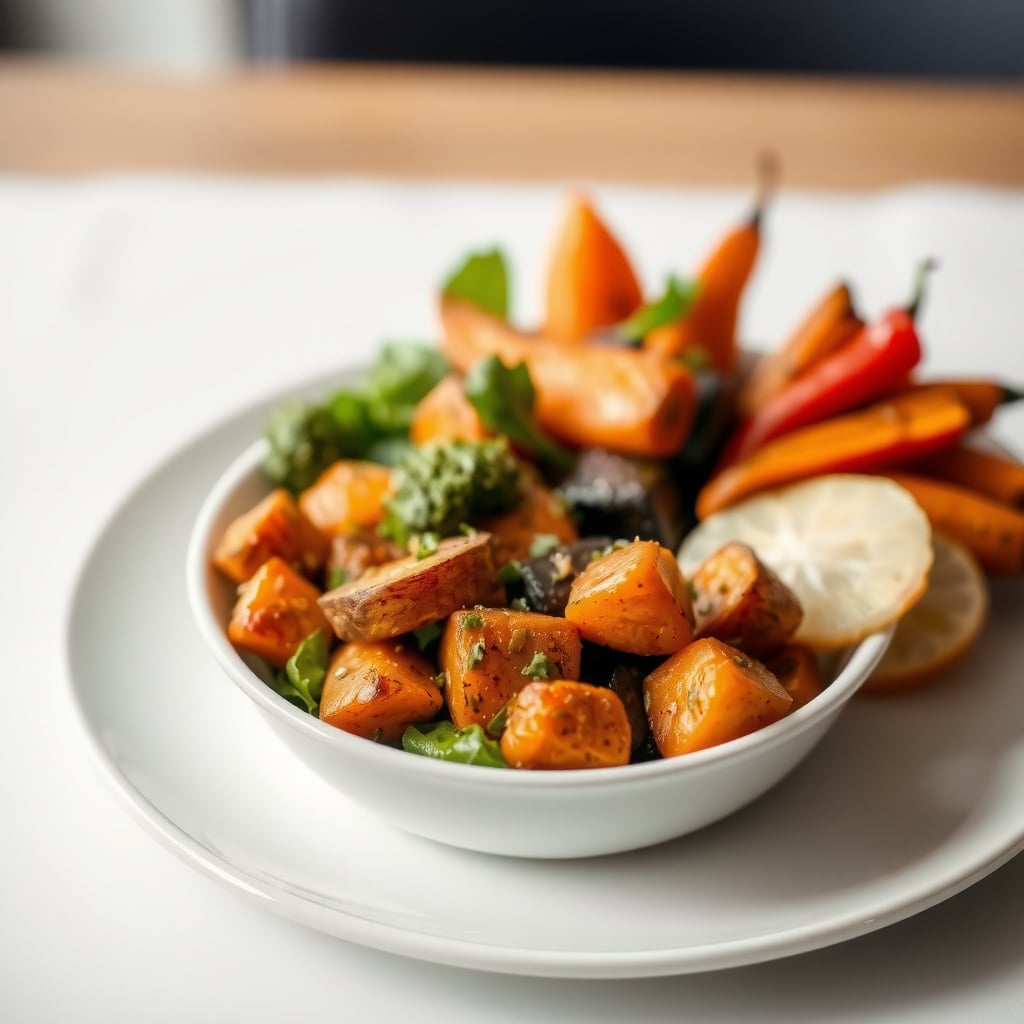
Mediterranean Meal Prep Bowl with Herb-Marinated Vegetables
60min
4
View Full Recipe →
Ready to simplify your meal planning?
Let OttoChef AI create personalized meal plans for your family in seconds.