
The Chemistry of Suya Spice: How Peanut Powder Protects Grilled Meat
Discover the culinary science of West African Suya. Learn how peanut powder acts as a thermal insulator to keep grilled skewers incredibly tender and juicy.
Alex Thompson
Food Editor
September 23, 2026
5 min read
1 view
Walk through any bustling night market in Lagos or Accra, and your senses will immediately lock onto the aroma of searing beef, hardwood charcoal, and a sharp, nutty spice blend. This is Suya, a beloved West African street food consisting of thinly sliced, skewered beef, chicken, or ram grilled over open flames.
While the heat of the grill is intense, the meat remains remarkably tender and juicy, never drying out into shoe leather. The secret to this culinary feat lies in the science of its signature spice rub: Yaji. By understanding the chemical interactions of Yaji's primary ingredient—ground peanut powder—home cooks can master the art of high-heat grilling with lean meats.
The Anatomy of Yaji
At its core, Yaji is a complex blend of ginger, cayenne pepper, garlic, bouillon, and ground West African spices like grains of Selim (uda) and calabash nutmeg (erhe). However, the undisputed backbone of the blend is ground peanut cake, known locally as kuli-kuli.
What is Kuli-Kuli?
Traditionally, Suya spice (Yaji) uses kuli-kuli, a West African snack made from peanuts that have been ground, stripped of their oil, and fried. This defatted peanut powder has a higher protein-to-fat ratio than regular peanut butter, preventing the spice rub from melting off the meat during grilling.
Without this legume base, Yaji would simply be a hot spice rub. With it, the rub becomes a functional cooking element that fundamentally alters how heat interacts with the proteins underneath.
The Physics of the Peanut Shield
When lean meats like flank steak or eye of round are exposed to the direct, dry heat of a grill, the muscle fibers (myofibrillar proteins) rapidly contract and squeeze out water. If cooked even a minute too long, the moisture evaporates, leaving the meat dry and tough.
Peanut powder changes this dynamic through thermal insulation. Because the peanuts in kuli-kuli have had their excess oils pressed out, the remaining powder is highly absorbent and packed with plant proteins and starches.
When you dredge the meat in Yaji, this dry powder forms a dense, continuous crust over the surface of the beef. As the skewers hit the grill, this crust acts as a thermal barrier. It slows down the rate of heat transfer to the interior of the meat, preventing the muscle fibers from seizing up too quickly.
“The genius of Suya lies in its thermal physics. It turns an intense dry-heat grilling method into a self-basting micro-environment using nothing more than ground legumes.”
OttoChef Culinary ResearchFurthermore, any moisture that does escape from the meat during cooking is immediately trapped by the starch and protein molecules in the peanut powder. Instead of evaporating into the air, this moisture mixes with the spices, hydrating the rub into a rich, savory paste that clings to the skewer.
The Role of Fat and Emulsification
While kuli-kuli is partially defatted, it still contains a significant amount of stable monounsaturated fats. As the meat heats up, these peanut fats render alongside the beef fat.
This co-rendering of plant and animal fats creates a temporary emulsion on the surface of the meat. This emulsion lubricates the muscle fibers as they cook, providing a juicy mouthfeel that mimics the texture of highly marbled (and much more expensive) cuts of beef.
Watch the Heat
Because peanuts contain natural sugars and proteins, they can char quickly. Keep a close eye on your grill zones. If using charcoal, create a two-zone fire so you can move the skewers to a cooler side if the peanut crust begins to darken too quickly.
Recreating the Suya Technique at Home
To apply the science of Yaji in your own kitchen, you need to replicate the physical preparation of the meat and the unique properties of the peanut rub.
Using Store-Bought Alternatives
If you cannot find authentic Nigerian kuli-kuli, you can substitute powdered peanut butter (such as PB2) mixed with a tiny pinch of roasted peanut flour. Avoid regular peanut butter, as its high oil and moisture content will liquefy on the grill, causing flare-ups and preventing the crust from forming.
Follow these steps to master the physical and chemical prep work required for perfect home-grilled skewers:
Slice Against the Grain
Slice lean beef (like flank, sirloin, or hanger steak) into paper-thin strips, no more than 1/8-inch thick. Slicing against the grain breaks up tough muscle fibers, ensuring a tender chew from the start.
Thread and Stretch
Thread the meat onto soaked bamboo skewers, weaving the thin strips flat and taut. This flat profile maximizes the surface area, ensuring the peanut crust can coat every millimeter of the meat's exterior.
The Double-Coat Technique
Dredge the skewers generously in your Yaji spice blend before grilling, pressing the powder firmly into the meat to establish the insulating barrier. Once grilled, dust the hot skewers with an extra sprinkle of fresh Yaji to layer the textures of toasted and un-toasted spices.
Expanding Your Grilling Horizons
Understanding the role of peanut powder in West African cooking opens up a world of culinary experimentation. This thermal insulation technique isn't limited to beef; you can apply a spiced peanut rub to skinless chicken breasts, pork tenderloin, or even tofu to keep them moist over high heat.
By leveraging the science of plant proteins and starches, you can transform lean, affordable cuts of meat into tender, flavor-packed skewers that celebrate the brilliant culinary traditions of West Africa.
Try This Recipe
Now that you've learned about the chemistry of suya spice: how peanut powder insulates and tenderizes grilled skewers, put your knowledge into practice with this recipe:
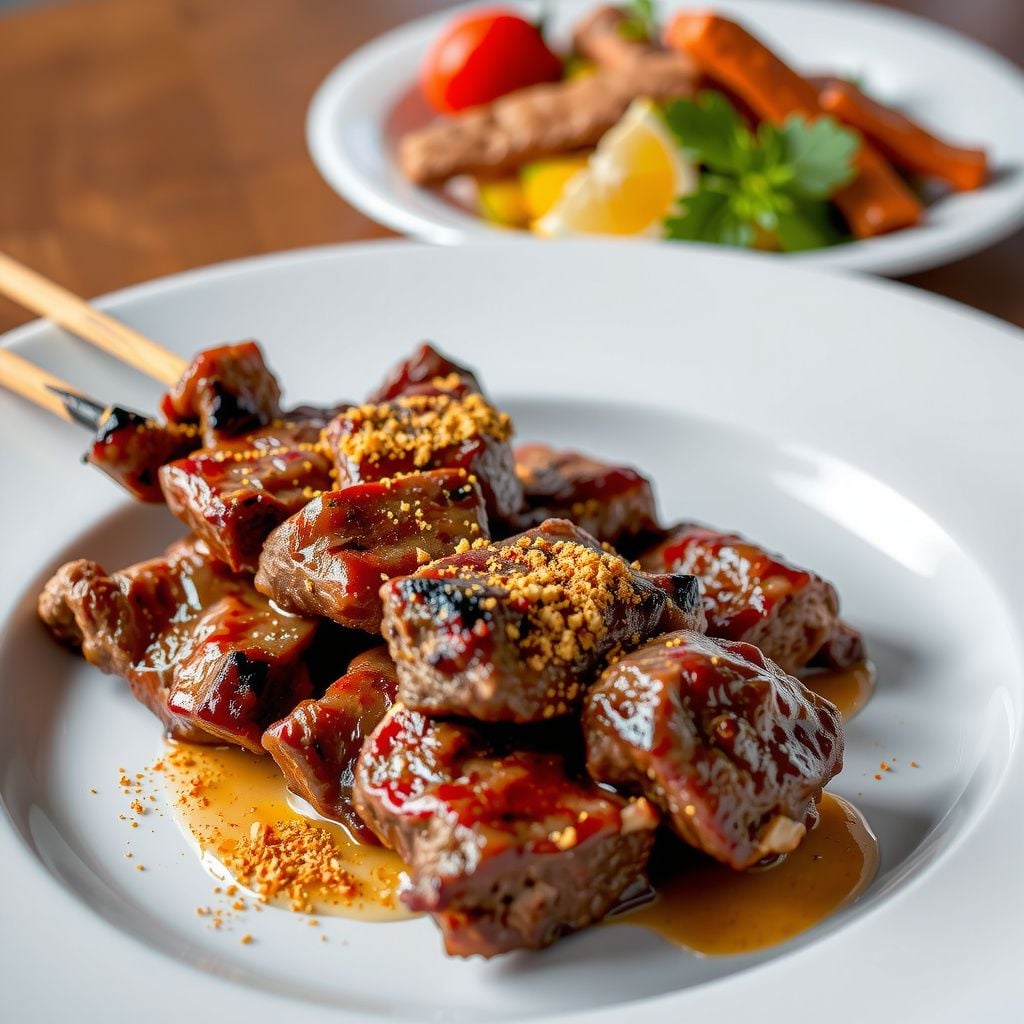
Authentic Nigerian Beef Suya Skewers
55min
4
View Full Recipe →
Ready to simplify your meal planning?
Let OttoChef AI create personalized meal plans for your family — free to use, no credit card.