
The Chemistry of Peruvian Ceviche: Mastering Acid-Induced Protein Denaturation
Unlock the kitchen science behind authentic Peruvian ceviche. Learn how acid transforms raw fish, why timing is crucial, and how to master this classic technique.
Lily Nakamura
Recipe Editor
August 27, 2026
5 min read
25 views
Many home cooks approach ceviche with a sense of trepidation. The idea of "cooking" raw fish without a heat source feels like a culinary sleight of hand. Yet, this transformation is not a mystery—it is a precise chemical reaction. Understanding the science of acid-induced protein denaturation is the key to transitioning from a rubbery, over-marinated dish to the vibrant, pristine ceviche served in Lima's finest cevicherías.
To master ceviche, we must first abandon the idea that we are marinating the fish for hours. True Peruvian ceviche relies on immediacy, precision, and a fundamental understanding of how acids interact with marine proteins.
The Science of "Cold Cooking"
To understand ceviche, we have to look at proteins at a microscopic level. In raw fish, muscle proteins are folded into complex, tightly coiled three-dimensional structures. When we apply heat to fish, these coils unfold (denature) and then clump together (coagulate), trapping water and turning the flesh opaque and firm.
Acids—specifically the citric acid found in lime juice—achieve this exact same structural change without heat. The abundance of hydrogen ions in citrus juice disrupts the weak chemical bonds holding the protein coils together. As these proteins unravel, they cross-link with neighboring proteins. The result is a physical transformation: the translucent, yielding flesh of raw fish becomes firm, opaque, and seemingly cooked.
The Origin of the Lime
While ceviche is Peru's national dish, the key citrus element—the lime—was actually introduced by Spanish colonizers. Prior to this, the indigenous Moche people of coastal Peru used fermented juices from local passion fruits, tumbo, or even chicha (maize beer) to cure raw fish.
However, because acid denaturation does not involve heat, it does not kill all bacteria or parasites in the same way thermal cooking does. This makes ingredient selection and temperature control paramount.
The Importance of the Five-Minute Window
Historically, ceviche was left to sit in lime juice for hours, resulting in a dense, chalky texture throughout the fish. Modern Peruvian culinary technique revolutionized this approach. Today, chefs treat ceviche as an à la minute preparation. The fish is tossed with lime juice and served almost immediately.
“True Peruvian ceviche is about immediacy. The acid should kiss the fish, not cook it to death.”
Chef Diego MuñozWhen fish is exposed to lime juice, the denaturation process begins on the exterior and slowly works its way inward. In a modern Peruvian ceviche, the fish is marinated for only two to five minutes. This creates a striking contrast: a thin, firm, opaque exterior envelope that yields to a cold, tender, translucent center. If left in the acid for too long, the proteins continue to coagulate, squeezing out water molecules and leaving the fish dry, stringy, and sour.
Avoid Long Marination
Leaving fish in lime juice for more than ten minutes turns the texture chalky and dry. The acid will completely penetrate the protein structure, stripping away the natural sweetness of the seafood and rendering it mushy.
Step-by-Step: The Perfect Ceviche Technique
To execute this chemical transformation flawlessly at home, follow this structured technique. It maximizes flavor extraction while preserving the structural integrity of the fish.
Select and Cube the Fish
Choose pristine, fresh saltwater fish with white, firm flesh, such as sea bass, fluke, or grouper. Avoid oily fish like salmon or mackerel for classic ceviche. Slice the fish into uniform 1.5-centimeter cubes. Uniformity is critical; uneven cuts will denature at different rates.
The Salt Cure
Toss the fish cubes with fine sea salt in a chilled bowl and let them sit for two minutes. Salt is a crucial agent here: it draws out excess moisture, tightens the protein fibers to give the fish a snappier texture, and prepares the surface to absorb the lime juice.
Add Aromatics
Add paper-thin slices of red onion (which have been rinsed in ice water to remove their harsh bite), minced ají limo or habanero chili, and finely chopped cilantro. Toss gently. This ensures the aromatic oils coat the fish before the acid is introduced.
The Acid Shock
Squeeze fresh key limes directly over the mixture. Do not use bottled lime juice, which lacks the volatile aromatic compounds of fresh fruit. Toss the mixture gently for 60 to 90 seconds. The liquid will turn cloudy—this is the "leche de tigre" (tiger's milk), a delicious emulsion of fish juices, lime, salt, and chili. Serve immediately.
Controlling the Variables
To consistently achieve culinary success with ceviche, you must control three critical variables: temperature, acid quality, and cutting technique.
Temperature Control
Heat is the enemy of fresh ceviche. Warm temperatures speed up chemical reactions, causing the acid to denature the fish too quickly and unevenly. It also poses a food safety risk. Keep your fish on ice until the very moment of preparation.
Chill Your Equipment
To maintain temperature control, place your mixing bowl, knives, and serving plates in the freezer for ten minutes before you begin prepping your ingredients.
Acid Selection
Peruvian limes (limón sutil) are highly acidic and aromatic, closely resembling key limes. Standard Persian limes work well but are slightly less acidic. Never squeeze your limes to the absolute limit; over-squeezing releases bitter terpenes from the white pith of the peel, which will ruin the clean flavor of your ceviche. Squeeze them gently to about 80% capacity.
By mastering the science of acid-induced denaturation, you transition from following a recipe to commanding a fundamental culinary technique. Treat the fish with speed and respect, let the chemistry do the work, and enjoy the bright, clean flavors of an authentic Peruvian classic.
Try This Recipe
Now that you've learned about the chemistry of peruvian ceviche: mastering acid-induced protein denaturation, put your knowledge into practice with this recipe:
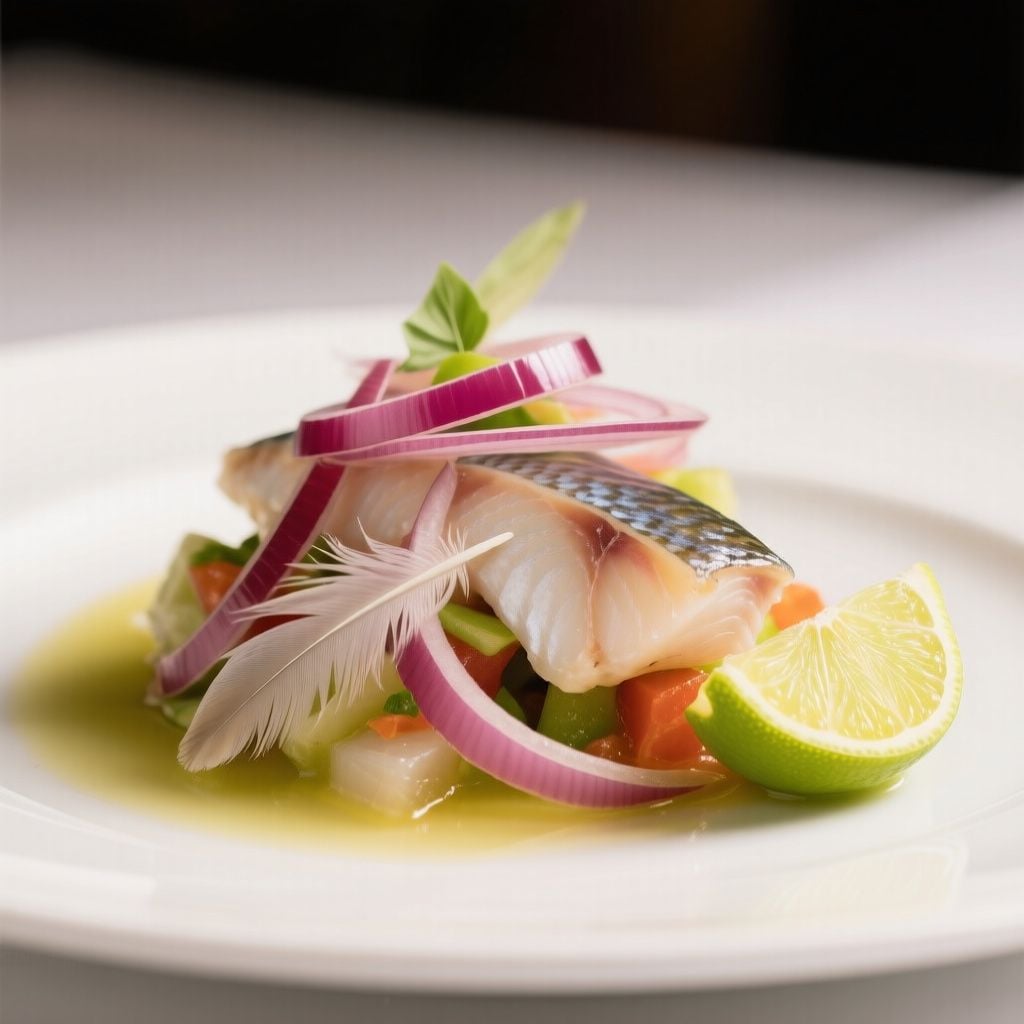
Classic Peruvian Sea Bass Ceviche (Ceviche Clásico)
35min
4
View Full Recipe →
Ready to simplify your meal planning?
Let OttoChef AI create personalized meal plans for your family — free to use, no credit card.