
The Chemistry of Alkaline Noodles: Using Baked Baking Soda for Perfect Ramen Texture
Discover the culinary science behind alkaline noodles. Learn how to transform baking soda into sodium carbonate at home for authentic, chewy ramen noodles.
Lily Nakamura
Recipe Editor
September 4, 2026
5 min read
12 views
If you have ever tried to recreate a bowl of restaurant-quality ramen at home using standard Italian pasta, you likely ended up disappointed. Even the best fresh fettuccine lacks the distinct springy, toothsome bite and yellow hue of authentic ramen noodles. The difference does not lie in the quality of the flour or the skill of the kneader, but in a fundamental chemistry concept: pH levels.
To understand ramen, you must understand alkalinity. Standard pasta is neutral or slightly acidic, while ramen noodles are distinctly alkaline. This chemical shift alters the physical structure of the wheat flour on a molecular level, transforming how the noodles cook, taste, and feel in your mouth.
What is Kansui?
In Japan, authentic ramen noodles are defined by the inclusion of kansui, an alkaline mineral water. Historically sourced from specific mineral-rich lakes, such as Lake Kan in Inner Mongolia, kansui contains a mixture of potassium carbonate and sodium carbonate.
This alkaline solution shifts the pH of the dough from a neutral 7 to an alkaline 9 or 10. This change in environment is responsible for the three defining characteristics of ramen: the springy texture (known as koshi), the earthy aroma, and the distinct yellow color.
The Origins of Kansui
The name "kansui" translates literally to "alkaline water." Legend has it that ancient Chinese noodle makers discovered that water from certain wells yielded noodles with a uniquely springy texture, which eventually laid the foundation for modern Japanese ramen development.
The Molecular Chemistry of Chew
When water mixes with wheat flour, two proteins—gliadin and glutenin—bind to form gluten. Gluten gives dough its elasticity and structure. Under normal conditions, this gluten network is moderately pliable. However, when you introduce an alkaline agent like kansui, several fascinating chemical reactions occur.
First, the alkaline environment strengthens the gluten bonds. The protein chains contract and pack together more tightly, creating a dense, highly elastic network. This is what gives ramen its signature bounce and prevents the noodles from turning mushy, even when submerged in boiling-hot broth for extended periods.
Second, wheat flour contains natural, colorless pigment compounds called flavonoids. In an alkaline environment, these flavonoids undergo a chemical shift, turning pale yellow. This explains why authentic ramen noodles are yellow, even when they contain absolutely no eggs.
“Alkalinity fundamentally reshapes the protein architecture of wheat, turning a soft dough into a resilient, springy noodle that stands up to steaming broth.”
OttoChef Culinary Science TeamHow to Make Kansui at Home: The Baking Soda Trick
Commercial kansui can be difficult to find in local supermarkets. Fortunately, you can easily synthesize your own alkaline agent using a common pantry staple: baking soda.
Standard baking soda (sodium bicarbonate) is only mildly alkaline. To get the strength needed for proper ramen noodles, you need sodium carbonate. You can easily convert sodium bicarbonate into sodium carbonate in your home oven through a simple process of thermal decomposition.
Measure the Baking Soda
Spread 100 grams of standard baking soda in an even, thin layer across a baking sheet lined with aluminum foil or parchment paper.
Bake at High Heat
Preheat your oven to 250°F (120°C). Bake the baking soda for 1 hour. During this process, the heat causes the sodium bicarbonate to release carbon dioxide and water vapor, transforming it into sodium carbonate.
Cool and Store
Allow the powder to cool completely. You will notice it feels lighter and more powdery than before. Store it immediately in an airtight glass jar. Because it is highly hygroscopic (meaning it rapidly absorbs moisture from the air), keeping it sealed is crucial to maintaining its chemical strength.
Handle with Care
Sodium carbonate is significantly more alkaline than standard baking soda. While perfectly safe to use in food in small amounts, the dry powder can irritate your skin and eyes. Avoid breathing in the dust when transferring it to a storage jar, and wash your hands if you touch the powder directly.
Working with Alkaline Dough
Working with alkaline dough is a unique experience. Because the gluten network is so tightly bound, the dough is incredibly stiff and dry. It typically has a hydration level of only 30% to 35%, compared to 50% to 60% for standard Italian pasta.
Mixing this dough by hand requires patience. It will initially look like a bowl of dry, sandy crumbs rather than a cohesive dough. Do not add more water! Instead, compress the crumbs together into a tight ball, wrap it in plastic wrap, and let chemistry do the work.
The Resting Secret
Never try to roll out alkaline dough immediately after mixing. Let it rest at room temperature for at least 30 to 60 minutes. This resting period allows the flour to fully hydrate and the tight gluten bonds to relax slightly, making the dough pliable enough to roll without tearing.
Because the dough is so stiff, a motorized or hand-cranked pasta roller is highly recommended. Roll the dough through the widest setting several times, folding it in half each time. This process, called laminating, further develops the gluten sheets, ensuring your finished noodles have a uniform, professional bite.
Elevating Your Culinary Skills
Understanding the science behind your ingredients changes how you approach the kitchen. By mastering the use of baked baking soda, you gain control over the texture of your noodles, allowing you to craft authentic ramen that honors traditional Japanese techniques. Experiment with different resting times and hydration levels to find your perfect balance of chew and tenderness.
Try This Recipe
Now that you've learned about the chemistry of alkaline noodles: using baked baking soda for perfect ramen texture, put your knowledge into practice with this recipe:
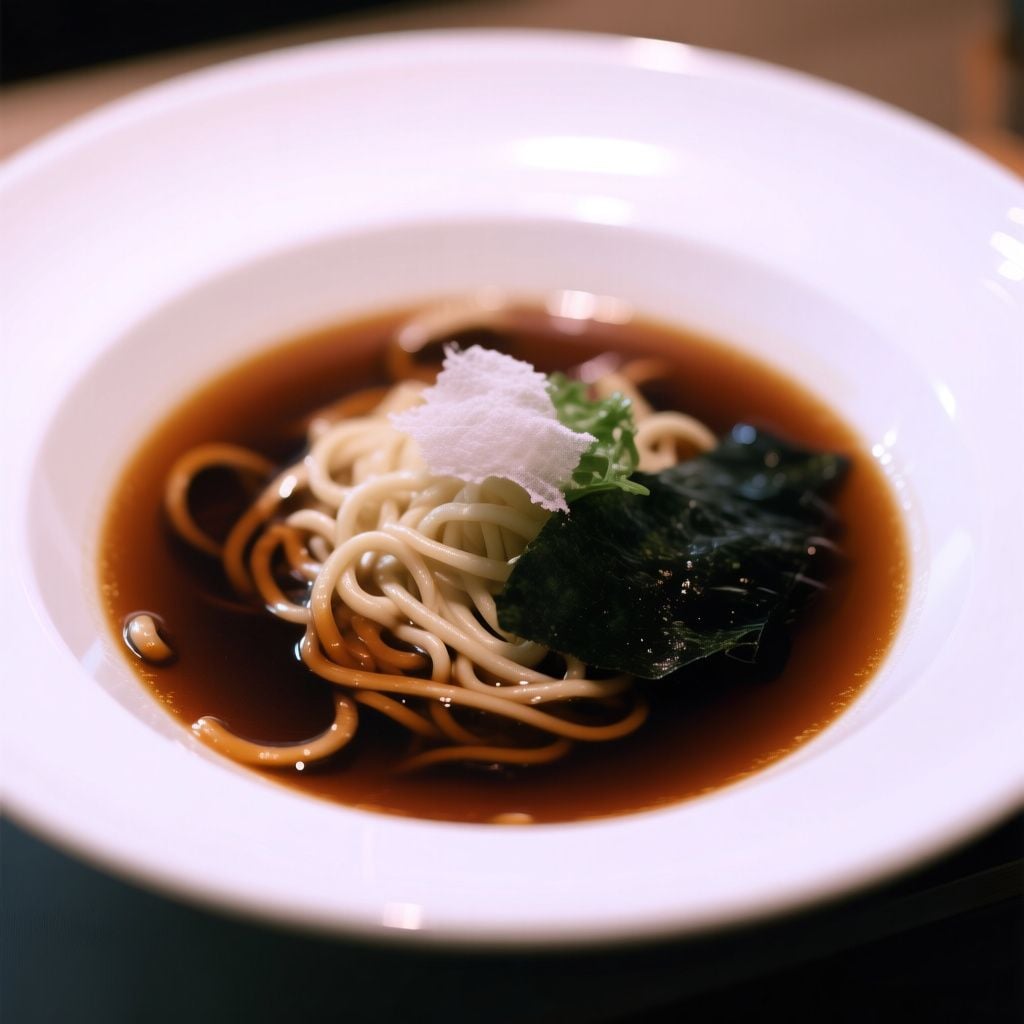
Handmade Tokyo-Style Shoyu Ramen with Baked-Soda Alkaline Noodles
140min
4
View Full Recipe →
Ready to simplify your meal planning?
Let OttoChef AI create personalized meal plans for your family — free to use, no credit card.