
The Art of Wok-Smoking: Infusing Proteins with Tea and Aromatics
Learn how to master indoor wok-smoking using tea, rice, and spices. Discover the science, setup, and step-by-step techniques for rich, smoky flavor.
Marcus Rivera
Culinary Editor
September 16, 2026
5 min read
2 views
Indoor smoking often evokes images of lingering fumes, frantic smoke detectors, and ruined cookware. However, a traditional Chinese culinary technique offers a controlled, elegant solution to this kitchen dilemma: wok-smoking. By transforming a standard carbon steel wok into a makeshift smoker, you can infuse poultry, fish, tofu, and pork with complex, aromatic smoke in under twenty minutes, all from the comfort of your stovetop.
This technique relies on a precise mixture of dry pantry staples rather than wood chips. Instead of harsh, campfire-like smoke, wok-smoking uses tea leaves, rice, sugar, and spices to create a fragrant vapor that perfumes food with subtle, sophisticated flavors.
The Science Behind the Smoke
To master wok-smoking, it helps to understand what happens inside the sealed wok. Unlike outdoor barbecue smokers that burn hardwood at low temperatures over many hours, wok-smoking is a rapid, high-heat process.
Each component of the smoking mixture plays a vital role:
- Raw Rice: Rice acts as a heat regulator and fuel source. It absorbs the direct heat of the wok, preventing the sugar from burning too quickly, while slowly charring to release a nutty, toasted aroma.
- Sugar (Brown or White): Sugar is the primary smoke generator. As it heats, it undergoes caramelization and pyrolysis, releasing a sweet, heavy smoke that imparts both a rich amber color and a delicate sweetness to the food.
- Tea Leaves: Black teas, particularly Lapsang Souchong (which is already pine-smoked), Oolong, or Jasmine, release volatile oils that infuse the protein with botanical, earthy notes.
- Spices and Aromatics: Whole spices like star anise, cinnamon sticks, Sichuan peppercorns, and dried citrus peels add top notes to the smoke profile, mimicking the complexity of a wood-fired oven.
The Origin of Zhangcha Duck
This technique is rooted in Sichuan province, where camphor wood and tea leaves were traditionally burned to smoke duck, creating a deep, complex flavor profile. Modern wok-smoking adapts this heritage for the contemporary home kitchen.
Preparing Your Protein: The Key to Smoke Adherence
Before you light the flame, you must prepare your protein. Smoke does not adhere well to wet surfaces; moisture acts as a barrier, causing the smoke to slide off rather than penetrate.
For the best results, proteins should be cooked or cured beforehand. Because wok-smoking is a brief process (typically 10 to 15 minutes), it is primarily designed to flavor and color food, not to cook it completely from raw. Standard practice involves poaching, steaming, or curing the protein first, followed by a thorough drying phase.
The Importance of Dry Food
Smoke clings best to dry surfaces. Always pat your proteins dry with paper towels and let them air-dry uncovered in the refrigerator for at least two hours before smoking. This creates a tacky surface layer called a pellicle, which locks in the smoke flavor.
“Wok-smoking isn't about overpowering a protein with heavy woodsmoke; it is a delicate dance of caramelized sugar, toasted grains, and botanical tea notes.”
Chef Kenji Tan, OttoChef Culinary InstructorSetting Up Your Indoor Smoker
Setting up your wok is straightforward, but protecting your cookware and managing ventilation are critical steps.
Line Your Wok Thoroughly
Always use heavy-duty aluminum foil to line your wok. The sugar in the smoking mixture will caramelize and burn completely; without a foil barrier, it will ruin your wok's seasoning and require intense scrubbing.
Here is how to construct your stovetop smoking chamber:
Prep the Wok
Line your carbon steel wok with two layers of heavy-duty aluminum foil, letting it overhang the edges. This protects the metal and simplifies cleanup.
Combine the Smoking Mixture
Mix equal parts raw white rice, brown sugar, and loose-leaf tea (like lapsang souchong or oolong), along with spices like star anise or cinnamon. Place this in the center of the foil.
Position the Rack and Protein
Place a wire steaming rack over the mixture. Arrange your pre-cooked or cured protein on the rack, ensuring pieces do not touch each other or the sides of the wok.
Seal and Heat
Cover the wok with a tight-fitting lid. Wrap the seam between the lid and wok with damp kitchen towels or foil to prevent smoke from escaping. Turn the heat to medium-high until wisps of smoke appear, then reduce to low and smoke for 10-15 minutes.
Controlling the Heat and Ventilation
While this method is designed for indoor kitchens, ventilation is still necessary. Turn your range hood exhaust fan to its highest setting and open a window slightly before you begin.
Keep the heat at medium-high just until you see the first thin wisps of smoke escaping from under the lid. Immediately lower the heat to medium-low. You want a gentle, continuous smolder, not a raging furnace. If too much smoke escapes, your seal isn't tight enough—press the damp towels closer to the seam.
Once the smoking time is complete, turn off the heat and let the wok sit, undisturbed, for another five minutes. This allows the smoke to settle and cling to the protein, preventing a sudden cloud of smoke from filling your kitchen when you lift the lid.
Experimenting with Flavor Profiles
Once you master the basic technique, you can customize the smoking mixture to suit different proteins:
- For Poultry (Chicken or Duck): Use robust black teas like Lapsang Souchong or Earl Grey, paired with star anise, cinnamon, and orange peel.
- For Seafood (Salmon or Trout): Opt for delicate green or jasmine teas, paired with dried ginger slices and coriander seeds.
- For Tofu and Vegetables: Try oolong tea combined with fennel seeds and szechuan peppercorns for a savory, herbal profile.
Wok-smoking bridges the gap between indoor convenience and complex, outdoor-inspired flavors. By understanding the roles of tea, sugar, and rice, you can confidently elevate simple proteins into aromatic showpieces.
Try This Recipe
Now that you've learned about the art of wok-smoking: infusing proteins with tea, rice, and aromatic spices, put your knowledge into practice with this recipe:
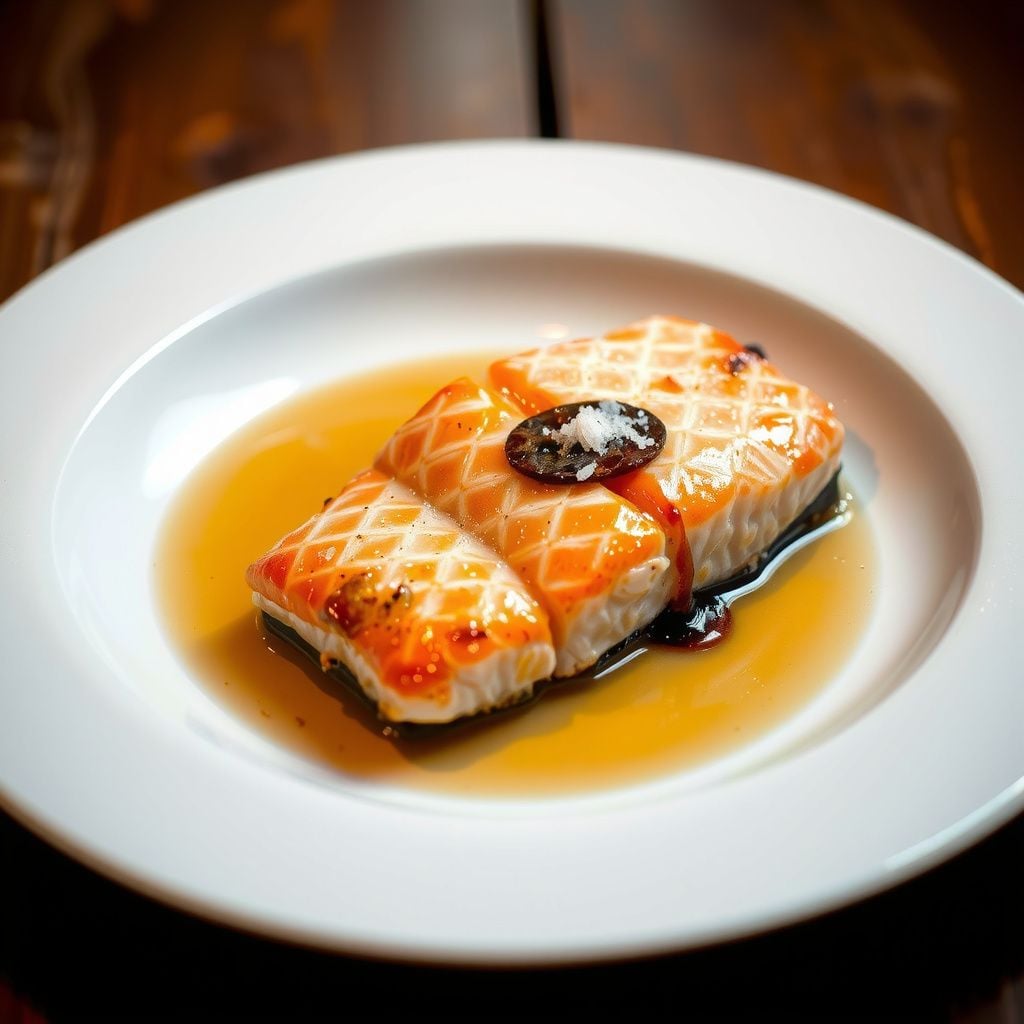
Jasmine Tea-Smoked Salmon with Ginger-Soy Glaze
65min
4
View Full Recipe →
Ready to simplify your meal planning?
Let OttoChef AI create personalized meal plans for your family — free to use, no credit card.