
The Art of Portuguese Conservas: Elevating Canned Sardines
Discover how to transform budget-friendly canned sardines into a gourmet feast using traditional Portuguese culinary techniques and flavor pairings.
James Okonkwo
Food Writer
July 25, 2026
5 min read
5 views
For many home cooks, canned sardines evoke images of dusty pantry shelves and emergency rations. In Portugal, however, these humble tins—known as conservas—are treated with the same reverence as fine wine or artisanal cheese. Portuguese canning is a sophisticated craft, preserving the ocean's harvest at its absolute peak. By shifting your perspective and learning a few fundamental culinary techniques, you can transform a budget-friendly tin of sardines into a stunning, restaurant-quality meal.
Sardines are not only highly sustainable and packed with heart-healthy omega-3 fatty acids, but they are also incredibly cost-effective. Elevating them from a quick pantry snack to a gourmet centerpiece requires understanding how to balance their rich, oily profile with texture, acid, and heat.
Understanding the Conservas Tradition
To appreciate the potential of the humble sardine, it helps to understand the culture behind it. In Lisbon and Porto, dedicated boutique shops display colorful tins of fish like jewelry. These are not bottom-shelf goods; they are premium products processed by hand, often utilizing traditional methods of steaming, pre-cooking, and hand-packing the fish into high-quality olive oil.
The Rise of Conservas
In Portugal, canning fish is a proud tradition dating back to the 19th century. Far from being a cheap substitute for fresh fish, high-quality conservas are celebrated as artisanal products. Premium tins are sometimes even aged in cellars for years, allowing the olive oil and fish flavors to meld and mature like a fine vintage.
When shopping for sardines on a budget, look for tins imported from Portugal, Spain, or Morocco. Even the entry-level brands from these regions often exhibit superior texture and flavor compared to standard supermarket varieties because they are typically packed in olive oil rather than cheap vegetable oils or water.
Avoid Water-Packed Fish
For the best culinary results, avoid sardines packed in water. Water leaches out the natural fats of the fish, leaving the flesh dry, mushy, and excessively fishy. Olive oil-packed sardines retain their firm texture and rich, savory depth.
Technique: Preparing Sardines for Gourmet Presentation
Treating canned fish with care during prep is the first step toward a premium dining experience. Because canned sardines are pre-cooked and fragile, handling them roughly will turn your elegant meal into a mushy paste.
Warm the Tin
Before opening, submerge the sealed can in a bowl of warm water for three minutes. This liquefies the solidified olive oil and fat, making the delicate fish much easier to slide out of the tin without breaking them apart.
Drain and Reserve the Oil
Gently open the tin and pour the packing oil into a small bowl. Never throw this oil away; it is packed with deep, savory seafood flavor. Use it to brush onto bread before grilling, or as the flavorful base for a warm vinaigrette.
Clean and Debone (Optional)
Sardine bones are fully edible, soft, and an excellent source of calcium. However, for a more refined presentation, you can gently run a butter knife along the belly of the fish, open it like a book, and lift out the central spine. This leaves you with clean, elegant fillets.
“To treat a canned sardine with the same respect as a fresh fillet is to unlock one of the greatest, most affordable luxuries in the culinary world.”
Chef Ana CostaThe Principles of Flavor Pairing
Sardines are naturally oily, rich, and intensely savory (often referred to as umami). To make them palatable and balanced, your accompaniments must provide contrast.
1. Acid is Essential
To cut through the rich oiliness of the fish, you need a vibrant acid. Fresh lemon juice is the classic choice, but red wine vinegar, pickled red onions, or capers work beautifully. The acid brightens the dish and cleanses the palate between bites.
2. Introduce Textural Crunch
Canned fish is soft. To make the eating experience engaging, pair your sardines with something distinctly crunchy. Thick, rustic sourdough bread toasted in a cast-iron skillet with a splash of the reserved sardine oil provides the perfect structural vehicle.
3. Incorporate Fresh Herbs
Heavy fish needs green, fresh notes to lift the overall flavor profile. Flat-leaf parsley, fresh dill, cilantro, or shaved fennel add a clean, grassy contrast that tames the fishiness.
The Quick Pickled Onion Technique
To instantly elevate any canned fish dish, thinly slice half a red onion and submerge it in red wine vinegar with a pinch of salt and sugar for 15 minutes. These quick pickles provide the perfect crunchy, acidic counterpoint to rich sardines.
Simple Ways to Serve Your Conservas
Once you have mastered the prep and pairing principles, assembling a gourmet plate is effortless. Try arranging your cleaned sardine fillets over a bed of thinly sliced, raw fennel tossed with lemon juice and olive oil.
Alternatively, recreate a classic Portuguese petisco (tapas) by rubbing a grilled piece of sourdough bread with a raw garlic clove, top it with a slice of roasted red pepper, lay a pristine sardine fillet on top, and finish with a sprinkle of flaky sea salt and cracked black pepper.
By treating this humble pantry staple with thoughtful technique and balanced pairings, you can enjoy a sophisticated, Mediterranean-inspired meal that costs mere pocket change.
Try This Recipe
Now that you've learned about the art of portuguese conservas: elevating cheap canned sardines into a gourmet feast, put your knowledge into practice with this recipe:
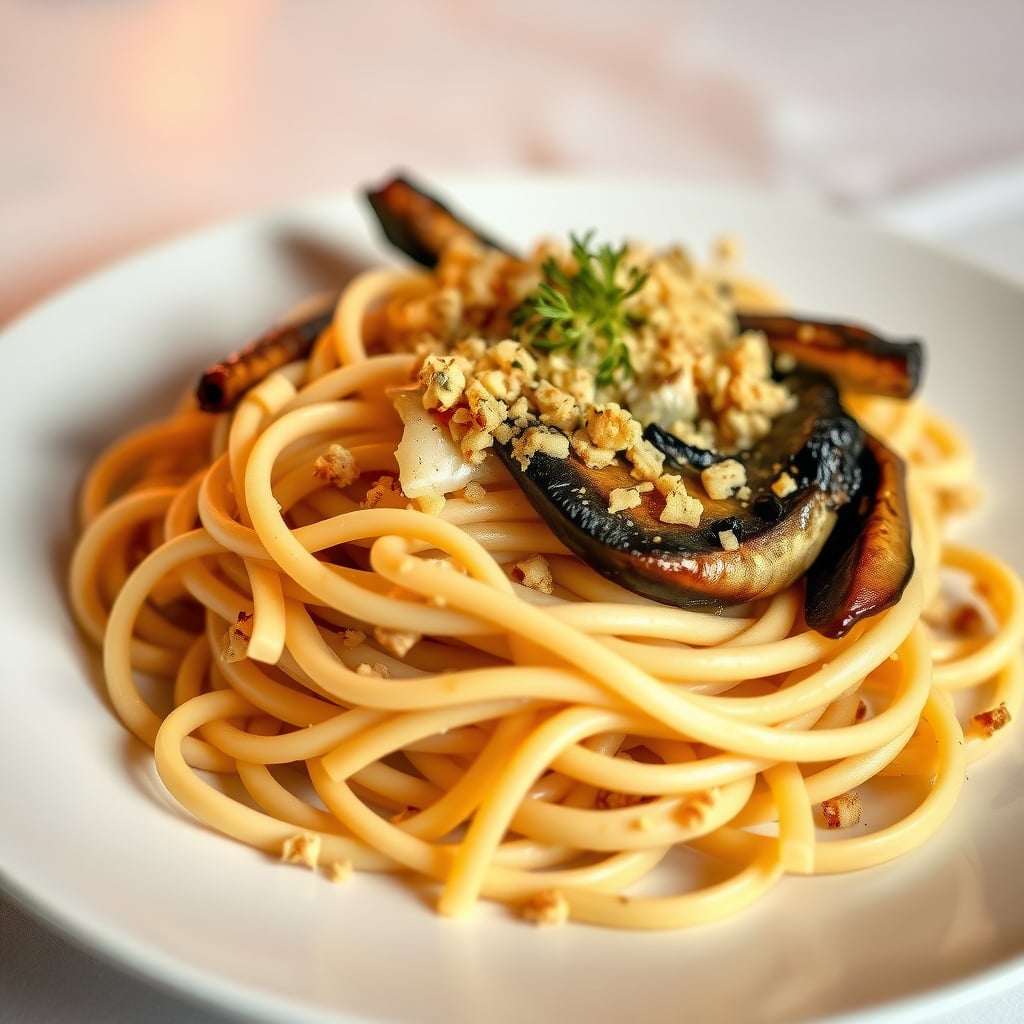
Elevated Portuguese Sardine Bucatini with Toasted Lemon-Garlic Breadcrumbs
30min
4
View Full Recipe →
Ready to simplify your meal planning?
Let OttoChef AI create personalized meal plans for your family — free to use, no credit card.