
The Art of Leftover Transformation: From Scraps to Stunning Meals
Master the culinary techniques that turn yesterday's dinner into today's delicious creation. Learn professional chef strategies for budget-friendly cooking.
Emma Chen
Recipe Developer
April 2, 2026
7 min read
10 views
You open your refrigerator and see that familiar collection: half a roasted chicken, a cup of cooked rice, wilted vegetables, and a container of sauce from Tuesday's dinner. Most home cooks see leftovers as a compromise—something to reheat and reluctantly eat. Professional chefs see a palette of flavors and textures waiting to be reimagined.
The difference isn't talent or fancy equipment. It's understanding the fundamental principles that transform ingredients rather than just reheating them. This skill separates those who dread leftovers from those who actually get excited about the creative possibilities sitting in their fridge.
Understanding the Five Transformation Techniques
Every leftover transformation falls into one of five categories, each with its own logic and application. Master these, and you'll never look at yesterday's dinner the same way.
Textural Transformation
Change how the ingredient feels in your mouth. Crispy becomes tender, soft becomes crunchy. Yesterday's roasted vegetables can be pureed into soup or chopped and crisped in a hot pan for grain bowls.
Flavor Layering
Add new aromatic dimensions that complement the existing flavors. That plain rotisserie chicken gains new life with fresh herbs, citrus zest, or a different spice profile entirely.
Structural Deconstruction
Break down the original dish into components. A pasta dish becomes filling for stuffed peppers. A roast becomes the protein for tacos. You're not reheating—you're rebuilding.
Sauce Integration
Bind disparate leftovers together with a unifying sauce or dressing. This is how professional kitchens use up odds and ends while creating cohesive dishes.
Cultural Translation
Apply techniques from different cuisines to familiar ingredients. That pot roast can become Korean-inspired lettuce wraps or Italian-style ragu.
The 48-Hour Rule
Leftovers are most versatile within 48 hours. After that, flavors become muddy and textures degrade. Plan your transformation within this window for best results.
The Temperature Strategy
One of the biggest mistakes in leftover cooking is treating everything the same way. Different ingredients need different reheating approaches to maintain quality.
Proteins fare best with gentle, indirect heat. Searing leftover steak in a screaming hot pan will turn it gray and tough. Instead, bring it to room temperature, then warm it gently in a 250°F oven while you build the rest of your dish. For shredded or cubed proteins, incorporate them at the very end of cooking—they just need warming, not cooking.
Grains and starches actually improve with some techniques. Fried rice exists because day-old rice has dried out enough to fry properly without becoming mushy. Leftover bread makes superior croutons, bread pudding, and panzanella because it absorbs dressings without disintegrating.
Vegetables are trickiest. Roasted vegetables can be reheated in a hot oven to recrisp them, but steamed or boiled vegetables are often better pureed, chopped into frittatas, or incorporated into dishes where their softer texture works as an advantage.
"The best leftover dishes don't taste like leftovers—they taste intentional."
Chef Jacques PépinBuilding Flavor Bridges
The secret to making leftovers taste cohesive rather than thrown together lies in what chefs call "flavor bridges"—ingredients that connect disparate elements.
Acids are your most powerful tool. A squeeze of lemon, splash of vinegar, or spoonful of yogurt brightens tired flavors and makes everything taste fresher. This is why leftover grain bowls benefit from a tangy dressing, and why a squeeze of lime transforms reheated tacos.
Fresh herbs add a just-cooked quality to reheated food. The aromatic compounds in fresh cilantro, basil, or parsley signal "fresh" to our brains, even when the base ingredients aren't.
Aromatics cooked fresh create a new flavor foundation. Starting with freshly sautéed onions, garlic, or ginger makes the entire dish smell and taste like it was just prepared, even when you're adding pre-cooked components.
The Science of Staling
Cooked food loses appeal partly due to oxidation and moisture loss. Adding fat (olive oil, butter, coconut milk) reintroduces richness, while acids counteract oxidized flavors. This is why a simple vinaigrette can make leftovers taste vibrant again.
The Matrix Approach to Leftover Planning
Professional kitchens use a mental framework for transforming ingredients. Think of it as a matrix: your leftover is the base, and you choose a cooking method plus a flavor profile.
Leftover protein + pan-frying + Asian flavors = stir-fry or fried rice Leftover protein + slow simmering + Mexican flavors = tacos, burritos, or enchiladas Leftover protein + baking + Italian flavors = pasta bake or stuffed shells
This framework prevents decision paralysis. You're not inventing from scratch—you're choosing from proven combinations.
The Mayonnaise Trap
Avoid the instinct to add mayonnaise-based dressings to everything. While convenient, it creates a monotonous flavor profile across all your leftover dishes. Vary your binding agents: tahini, pesto, vinaigrettes, yogurt-based sauces, or brothier preparations.
Strategic Leftover Production
The most sophisticated approach to leftovers isn't just transforming them—it's producing them strategically. This is meal planning in reverse.
When you roast a chicken, you're not making one meal. You're creating the foundation for three: the initial roast, a second meal using the meat in a new form, and a third using the carcass for stock.
When you cook a pot of beans, portion them immediately: some for tonight's dinner, some for tomorrow's grain bowl, some frozen for next week's soup.
This isn't about eating the same thing repeatedly. It's about creating components that slot into completely different dishes.
The Breakfast Conversion
Breakfast offers unique opportunities for leftover transformation because the format is so different from dinner. Almost any savory leftover can become breakfast with the right approach.
Hash is the universal converter: dice any protein and vegetables, crisp them in a hot pan, top with eggs. The crispy-creamy contrast makes everything taste intentional.
Frittatas hide a multitude of leftovers in an egg matrix. The key is keeping the ratio right: about 6 eggs per cup of add-ins.
Breakfast tacos or wraps work because morning flavor profiles (eggs, cheese, hot sauce) are strong enough to unify disparate ingredients.
The Freezer as Planning Tool
Not all leftovers need immediate transformation. Freeze proteins in meal-sized portions with labels indicating their seasoning. "Italian-seasoned chicken" or "cumin-spiced pork" guides your future self toward compatible flavor combinations.
When to Abandon Ship
Not every leftover deserves transformation. Soggy french fries, congealed cream sauces, and overcooked fish rarely improve with additional cooking. Part of mastering leftovers is recognizing when something has passed its prime.
The smell test is obvious, but also consider texture and appearance. If vegetables have gone slimy or proteins have dried out significantly, they'll drag down whatever dish you create.
Compost or discard without guilt. The goal is delicious food, not martyrdom to the principle of waste reduction.
Building Your Leftover Pantry
Certain ingredients make leftover transformation dramatically easier. Keep these on hand:
Acids: Rice vinegar, lemon juice, lime juice, apple cider vinegar Aromatics: Onions, garlic, ginger, scallions Texture builders: Nuts, seeds, crispy fried onions, breadcrumbs Binding agents: Eggs, tahini, miso paste, tomato paste Fresh herbs: Whatever grows easily in your climate Quick-cooking grains: Couscous, rice noodles, instant polenta
These ingredients have long shelf lives and can bridge nearly any flavor combination.
Restaurant Secret
High-end restaurants often feature a daily special that's really a vehicle for using up ingredients approaching their prime. They're not serving leftovers—they're demonstrating transformation at the highest level. Your home cooking can use the same principle.
The Psychology of Leftover Success
The mental framing matters. If you view leftovers as a chore, they'll taste like one. If you see them as a creative challenge—how can I make this better than the original?—the cooking becomes engaging rather than dutiful.
Some of the world's greatest dishes originated as leftover transformations. Fried rice, ribollita, bubble and squeak, hash—these weren't accidents. They were creative responses to the reality that food costs money and throwing it away hurts.
Your Tuesday night creation might not have a fancy name, but it's part of a culinary tradition as old as cooking itself: making the most of what you have.
Practice Makes Intuitive
Start small. Choose one leftover transformation technique and practice it until it becomes intuitive. Maybe that's learning to make excellent fried rice from any leftover grain and protein. Or mastering the frittata as your go-to for vegetable odds and ends.
As these techniques become second nature, you'll find yourself planning meals differently. You'll see components rather than discrete dishes. You'll get excited about the creative possibilities in your refrigerator rather than feeling guilty about the containers piling up.
That's when leftover cooking stops being about thrift and becomes about craft.
Try This Recipe
Now that you've learned about transforming leftovers into new meals, put your knowledge into practice with this recipe:
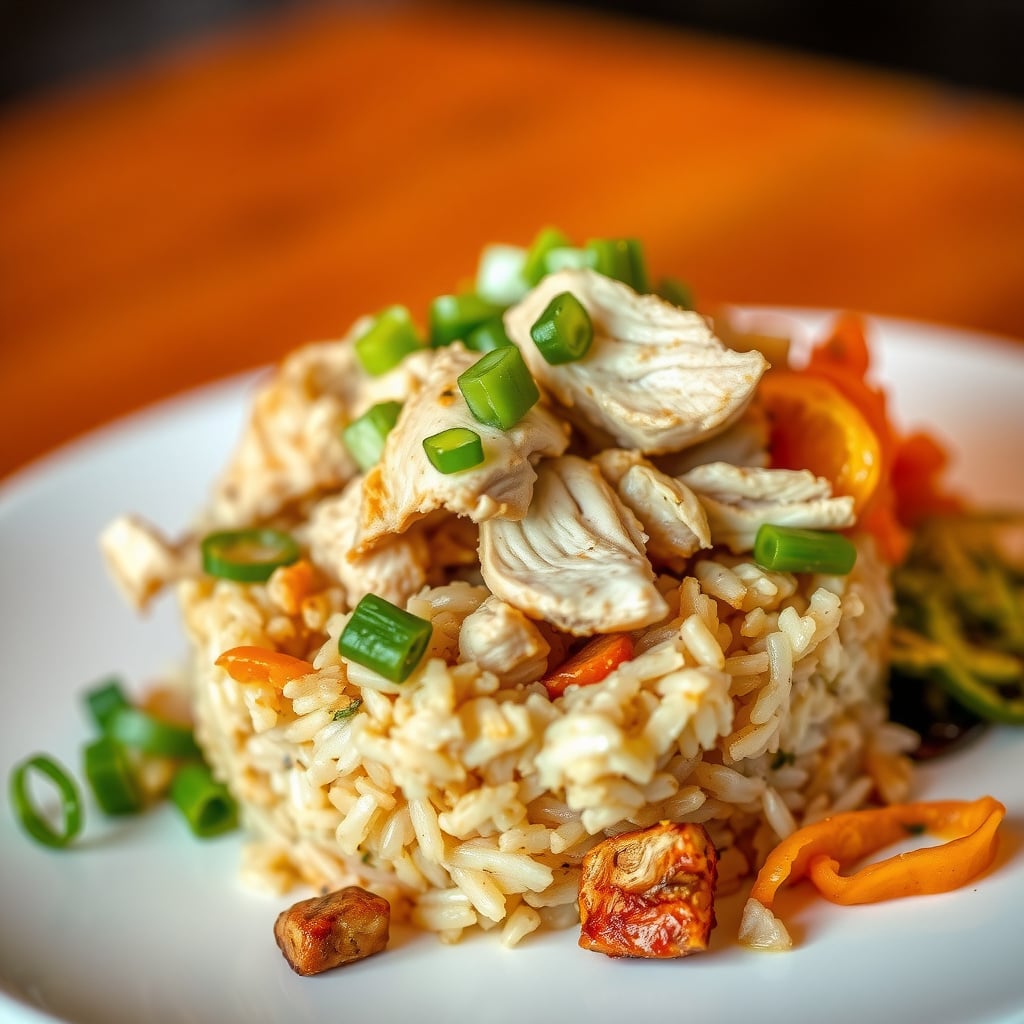
Transformed Roast Chicken & Rice Crispy Bowl with Ginger-Scallion Sauce
45min
4
View Full Recipe →
Ready to simplify your meal planning?
Let OttoChef AI create personalized meal plans for your family in seconds.