
The Allicin Window: How to Unlock Garlic's Health Benefits
Learn how the 'allicin window' works. Discover why crushing garlic and waiting ten minutes before cooking maximizes its nutritional and health benefits.
Alex Thompson
Food Editor
July 15, 2026
5 min read
29 views
You have likely done this hundreds of times: peel a clove of garlic, mince it quickly, and scrape it directly into a sizzling pan of olive oil. While the aroma is instantly rewarding, you might be leaving some of garlic's most potent health benefits behind. The secret to unlocking the full nutritional power of garlic lies not in how you cook it, but in what you do before it ever touches the heat.
At the center of garlic's nutritional profile is a compound called allicin. Allicin is responsible for garlic's signature pungent aroma, but more importantly, it is a powerful bioactive compound linked to cardiovascular health, immune support, and antioxidant activity. However, allicin does not actually exist inside an intact clove of garlic. It requires a specific mechanical action and a brief window of time to form.
The Chemistry of Crushing
Inside an intact garlic clove, two key components are kept strictly separated in different cellular compartments: an amino acid called alliin and a protein-based enzyme called alliinase. When you crush, chop, or mince the garlic, you rupture these cellular walls. This physical damage allows the alliin and alliinase to finally come into contact with one another.
When they meet, a rapid chemical reaction begins, converting alliin into allicin. This reaction does not happen instantly; it requires time to reach its peak concentration.
The Discovery of Allicin
Allicin was first isolated and studied in 1944 by chemists Chester J. Cavallito and John Hays Bailey, who recognized its powerful antimicrobial and cardiovascular benefits.
Why the Ten-Minute Wait Matters
If the chemical reaction begins as soon as you chop garlic, why can't you throw it straight into the pan? The answer lies in the sensitivity of the alliinase enzyme.
Alliinase is highly heat-sensitive. If you expose freshly chopped garlic to heat immediately, the high temperature deactivates the enzyme before it can convert the alliin into allicin. Once the enzyme is deactivated, the reaction stops permanently, and you lose out on the bulk of garlic's potential health benefits.
By letting your chopped or crushed garlic sit on the cutting board at room temperature for ten minutes—a period culinary scientists call "the allicin window"—the enzyme has ample time to complete the conversion. Once allicin is formed, it is much more stable and heat-resistant. While some allicin is still lost during cooking, a significant portion survives the heat of your pan, delivering those valuable nutrients to your finished dish.
“Patience in the kitchen isn't just about waiting for water to boil; it's about giving nature's chemistry lab the time to work.”
Dr. Sarah Jenkins, Culinary NutritionistHow to Maximize the Allicin Window
To put this scientific knowledge into practice, you can easily adjust your prep routine. Instead of chopping garlic right when you need to add it to the pan, make it the very first step of your recipe's mise en place.
Crush the Cloves
Place the flat side of a chef's knife over the garlic clove and press down firmly with the heel of your hand to crack the skin and rupture the cells. This initial cellular damage kickstarts the enzymatic reaction immediately.
Mince or Chop
Chop the garlic to your desired size. Finely mincing or grating garlic creates more surface area damage, which results in more allicin production than slicing it thinly.
Set a Timer
Leave the minced garlic on your cutting board for 10 to 15 minutes before introducing it to any heat, acid, or liquid.
Avoid the Microwave
Using a microwave to quickly soften garlic cloves before peeling can permanently deactivate the alliinase enzyme, preventing allicin formation entirely. Stick to manual crushing for the best results.
Culinary Implications: Flavor vs. Nutrition
Understanding the allicin window also helps you control the flavor profile of your dishes. The reaction that creates allicin is the exact same reaction that creates garlic's sharp, pungent flavor.
If you are making a raw dish, like a Caesar dressing or a tzatziki, and you want a milder garlic flavor, you can actually shorten the waiting time or introduce an acid right away. Acid denatures the enzyme just like heat does, stopping the allicin reaction in its tracks.
Acid Halts the Reaction
If you are making a raw dressing, wait the full 10 minutes before adding highly acidic ingredients like lemon juice or vinegar to your garlic. High acidity will inhibit the alliinase enzyme and halt allicin production.
For cooked dishes, waiting the full ten minutes ensures you get both the maximum health benefits and a deep, complex garlic flavor that stands up to sautéing, roasting, and simmering.
Integrating the Habit into Your Cooking
Adjusting your cooking habits can take a little practice, but the 10-minute garlic rule is incredibly easy to adopt. When you enter the kitchen, make a habit of prepping your garlic first. By the time you wash your vegetables, chop your onions, and heat your pans, the allicin window will have closed, and your garlic will be fully primed for both flavor and nutrition. Experiment with this simple technique in your next meal, and elevate your cooking through the power of culinary science.
Try This Recipe
Now that you've learned about the allicin window: why crushing garlic and waiting ten minutes boosts its health benefits, put your knowledge into practice with this recipe:
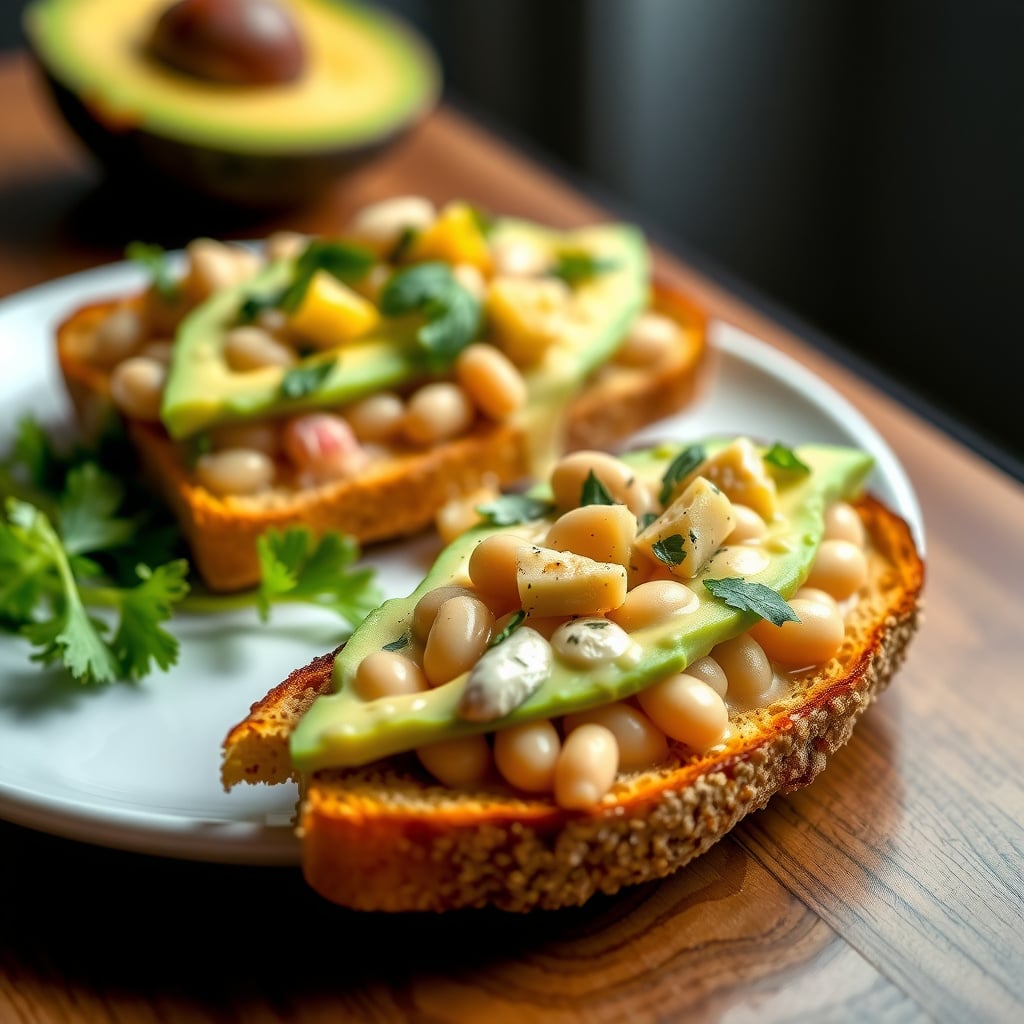
Ten-Minute Allicin-Boosted Garlicky White Bean and Avocado Toast
20min
4
View Full Recipe →
Ready to simplify your meal planning?
Let OttoChef AI create personalized meal plans for your family — free to use, no credit card.