
The 2-Hour Sunday Prep That Saves 10 Hours During the Week
Master the art of strategic Sunday meal prep with this time-tested framework. Learn professional techniques that transform two focused hours into a week of effortless cooking.
James Okonkwo
Food Writer
February 3, 2026
9 min read
6 views
Picture this: It's Tuesday evening, you've just walked through the door after a long day, and instead of staring blankly into the refrigerator wondering what to make for dinner, you're assembling a restaurant-quality meal in under 15 minutes. No frantic chopping, no waiting for grains to cook, no panic-ordering takeout. This isn't a fantasy—it's the reality of strategic Sunday meal prep.
But here's what most meal prep guides get wrong: they focus on making complete meals in advance, which often leads to soggy vegetables, bland reheated proteins, and serious food fatigue by Wednesday. The secret isn't cooking everything ahead—it's preparing the components that take the most time, then combining them fresh throughout the week.
Let me show you the professional kitchen approach that transforms two focused hours on Sunday into a week of cooking freedom.
The Framework: Component-Based Prep
Professional kitchens don't cook complete dishes hours in advance. Instead, they practice mise en place—preparing individual components that can be quickly assembled to order. This same principle works brilliantly at home.
Your Sunday prep should focus on three categories: foundations, proteins, and accelerators. Foundations are your grains, beans, and roasted vegetables—the time-consuming base elements. Proteins are your meats, fish, or plant-based alternatives, prepped but often not fully cooked. Accelerators are your chopped aromatics, pre-made sauces, and flavor bombs that turn simple ingredients into exciting meals.
The 60-30-10 Rule
Spend 60% of your prep time on foundations (grains, legumes, roasted vegetables), 30% on proteins, and 10% on accelerators like chopped herbs and quick sauces. This ratio maximizes your time investment.
Start with Your Longest-Cooking Items
Begin by getting your grains and legumes started. While rice cooks or beans simmer, you can tackle other tasks. This overlapping approach is key to fitting everything into two hours.
Prep Your Proteins Strategically
Season and portion proteins, but don't fully cook everything. Marinated raw chicken, portioned fish, or seasoned tofu can be quickly cooked fresh during the week for better texture and flavor.
Create Your Accelerators
Chop aromatics, make one versatile sauce, and prep any special ingredients. These 5-minute additions transform simple components into diverse meals.
The Foundation Layer: Cook Once, Eat Many Ways
Start with 2-3 different grains or starches. I typically prepare brown rice (for Asian-inspired bowls), quinoa (for Mediterranean dishes), and roasted sweet potatoes (for everything else). Cook each in large batches—they'll keep for 5-7 days and reheat beautifully.
Here's the crucial technique most home cooks miss: undercook your grains slightly. When you'll be reheating them later, they'll continue cooking and can easily become mushy. Pull your rice off the heat when it's 90% done, spread it on a sheet pan to cool quickly (this prevents bacterial growth), then refrigerate in shallow containers.
The Science of Starch
Cooling cooked rice, pasta, and potatoes creates resistant starch—a type of fiber that's better for blood sugar control and gut health. Your meal prep isn't just convenient; it's actually creating a more nutritious product.
For vegetables, focus on roasting. Roasted vegetables keep their texture better than steamed or boiled ones, and the caramelization adds depth of flavor. I roast 3-4 sheet pans of different vegetables: broccoli with garlic, Brussels sprouts with balsamic, bell peppers with olive oil, and cauliflower with curry spices. Each becomes a different flavor profile for the week ahead.
The roasting technique matters: high heat (425°F/220°C), vegetables in a single layer with space between them, and don't crowd the pan. Crowded vegetables steam instead of roast, and you'll lose that crucial caramelization.
The Protein Strategy: Fresh-Cooked Quality
This is where most meal prep goes wrong. Fully cooking chicken breasts on Sunday and reheating them Thursday results in dry, disappointing protein. Instead, use these professional techniques:
For poultry: Cut into portion sizes, season generously, and marinate. Store raw but seasoned. A marinated chicken thigh takes 12 minutes to cook fresh on Wednesday—barely longer than reheating would take, with infinitely better results.
For fish: Portion and season, but absolutely store raw. Fish is best cooked fresh, and most varieties take under 10 minutes. Your Sunday prep is just the portioning and seasoning.
For plant proteins: This is where you can fully cook ahead. Marinated baked tofu, seasoned tempeh, or spiced lentils all reheat beautifully and often taste better after a day or two as flavors meld.
"The difference between meal prep that works and meal prep that fails is understanding which foods improve with time and which foods suffer from it."
Professional Kitchen WisdomThe Danger Zone
Never let cooked proteins sit at room temperature for more than 2 hours (1 hour if your kitchen is above 90°F/32°C). Divide large batches into smaller containers so they cool quickly in the refrigerator, reaching safe temperatures within 2 hours.
Accelerators: Your Secret Weapons
These are the game-changers that make weeknight cooking feel effortless. Spend your final 20-30 minutes creating these flavor shortcuts:
Chopped aromatics: Dice 2-3 onions, mince a whole head of garlic, chop fresh ginger. Store each separately in airtight containers. Having these ready means you can start cooking immediately instead of spending 10 minutes on knife work when you're already tired.
One versatile sauce: Make a large batch of something that works across cuisines. My go-to is a ginger-scallion sauce (blended scallions, ginger, neutral oil, salt, and rice vinegar) that works on grains, proteins, and vegetables. Other great options: chimichurri, tahini sauce, or a simple vinaigrette multiplied by 4.
Herb prep: Wash and dry herbs, then store them properly. Hardy herbs like rosemary and thyme can be chopped and frozen in olive oil in ice cube trays. Delicate herbs like cilantro and parsley keep best with stems in water, covered loosely with a plastic bag in the fridge.
The Mason Jar Hack
Store chopped onions in mason jars to contain their smell. Store minced garlic with a thin layer of olive oil on top to prevent oxidation and browning. These small details make your prep ingredients last longer and work better.
The Assembly Mindset: Building Meals in Minutes
With your components ready, weeknight cooking becomes an assembly process. Monday might be miso-glazed salmon over quinoa with roasted broccoli. Tuesday could be chicken thighs over rice with a ginger-scallion sauce and roasted peppers. Wednesday might transform leftover quinoa into patties, served with tahini sauce and roasted cauliflower.
Notice how the same base components create completely different meals? That's the power of component-based prep. You're not eating the same thing repeatedly—you're working with a palette of prepared ingredients that combine in endless ways.
The actual cooking time each night drops to 10-15 minutes: sear your protein while reheating your grain and vegetables, drizzle with your prepared sauce, add fresh herbs if you have them, and serve. It's faster than most takeout delivery and tastes infinitely better.
Optimizing Your Two Hours
The key to fitting all this into two hours is working smart, not just hard. Here's the professional kitchen secret: everything happens in parallel.
Minute 0-10: Start your longest-cooking grain (brown rice takes about 45 minutes). Put a large pot of water on to boil for quinoa. Preheat your oven to 425°F.
Minute 10-30: While grains cook, prep all your vegetables for roasting. Cut everything, toss with oil and seasonings, get them on sheet pans.
Minute 30-50: Vegetables go in the oven. Now tackle your proteins—portion, season, marinate. Your grains should be nearly done.
Minute 50-90: Grains are cooling, vegetables are roasting. This is when you make your sauce and prep your aromatics. Rotate vegetables in the oven as needed.
Minute 90-120: Everything is cooling down. Package everything properly, label containers with dates, clean up your workspace.
The Cool-Down Principle
Hot food creates condensation in containers, which leads to soggy results and faster spoilage. Always let components cool to room temperature before sealing and refrigerating. Spread items on sheet pans to speed cooling.
Storage Strategies That Extend Freshness
How you store your prep is as important as how you prepare it. Glass containers are ideal—they don't absorb odors, they reheat evenly, and you can see what's inside. Invest in a variety of sizes.
Store grains and roasted vegetables in shallow, wide containers rather than deep ones. This allows for faster cooling and more even reheating. Keep proteins on the bottom shelf of your fridge where it's coldest.
Label everything with the date. Your food-safe window is generally 4-5 days for most components, though some items like cooked grains can push to 7 days if stored properly.
The Sniff Test Isn't Enough
Harmful bacteria don't always produce obvious smells or visible changes. Trust dates over your nose, especially with proteins and cooked grains. When in doubt, throw it out.
The Flexibility Factor
Life happens. Maybe you end up eating out Wednesday, or your Thursday meeting runs late and you grab dinner with colleagues. This is why component-based prep is superior to full meal prep—your components remain flexible.
Didn't use your marinated chicken by Thursday? Freeze it. That quinoa sitting in the fridge? Turn it into breakfast bowls with eggs and avocado. Roasted vegetables getting close to their limit? Blend them into a quick soup.
The goal isn't rigidity—it's having options. Your Sunday prep creates possibilities, not obligations.
Making It Sustainable
The first few times you try this, it might take longer than two hours. That's normal. You're learning a new system, figuring out your kitchen's rhythm, understanding which tasks can overlap.
By your third or fourth week, you'll develop a flow. You'll know that your oven can fit exactly three sheet pans. You'll remember that quinoa takes 15 minutes, not 20. You'll have your favorite versatile sauce memorized.
Start small if two hours feels overwhelming. Maybe your first week, you just prep grains and chop aromatics. Next week, add roasted vegetables. The week after, tackle proteins. Build the habit gradually.
The Sunday Ritual
Make meal prep enjoyable. Put on a podcast or your favorite music. Pour yourself a glass of wine. This isn't a chore—it's an investment in your future self's wellbeing and sanity.
The real magic of Sunday prep isn't just the time saved during the week, though that's substantial. It's the mental freedom. It's coming home tired and knowing exactly what you're making. It's the confidence of having nutritious, delicious food ready to go. It's the money saved from not ordering takeout in desperation.
Two hours on Sunday creates calm throughout your week. That's not just meal prep—that's self-care through strategic cooking. And once you experience the difference, you'll never go back to winging it seven nights a week.
Try This Recipe
Now that you've learned about the 2-hour sunday prep that saves 10 hours during the week, put your knowledge into practice with this recipe:
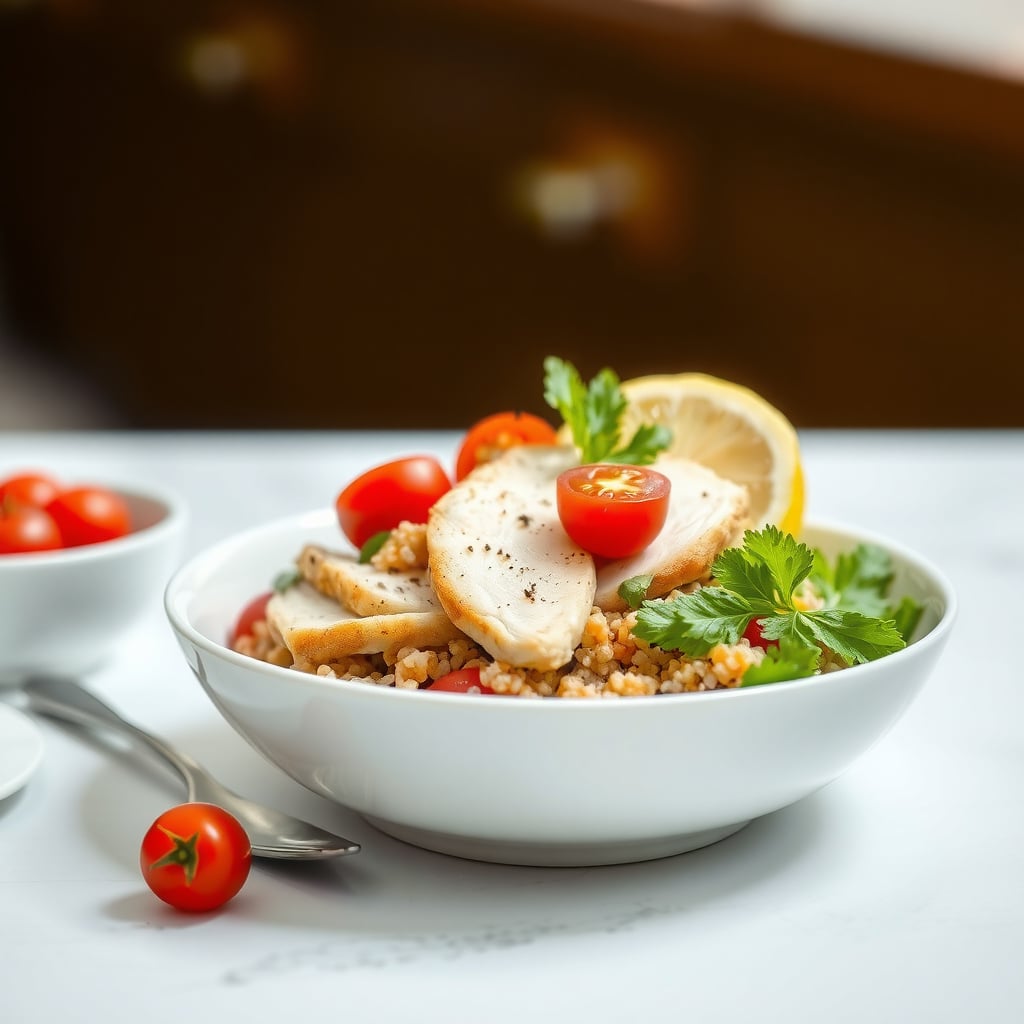
Mediterranean Quinoa Bowl with Lemon-Herb Chicken
35min
4
View Full Recipe →
Ready to simplify your meal planning?
Let OttoChef AI create personalized meal plans for your family in seconds.