
Tex-Mex vs Authentic Mexican: Understanding Both Culinary Traditions
Discover the key differences between Tex-Mex and authentic Mexican cuisine. Learn cooking techniques, ingredients, and cultural contexts to master both styles in your kitchen.
Sofia Rossi
Kitchen Editor
March 12, 2026
7 min read
9 views
You're standing in the grocery store aisle, staring at two different chile powders, wondering which one you need. One label promises "authentic Mexican flavor," while the other screams "Tex-Mex fiesta." This confusion isn't just about marketing—it reflects two distinct culinary traditions that deserve equal respect and understanding.
Both Tex-Mex and authentic Mexican cuisines offer incredible flavors and techniques, but they evolved from different cultural contexts, ingredients, and cooking methods. Understanding these differences doesn't mean choosing sides—it means expanding your culinary repertoire and knowing which approach serves your cooking goals.
The Historical Split: How Two Traditions Diverged
Authentic Mexican cuisine developed over thousands of years, blending indigenous Mesoamerican cooking with Spanish colonial influences. Regional variations across Mexico's 31 states created incredibly diverse flavor profiles, techniques, and ingredient combinations. From Oaxaca's complex moles to Yucatán's citrus-forward dishes, Mexican cuisine represents one of the world's most sophisticated culinary traditions.
Tex-Mex emerged in the late 19th and early 20th centuries along the Texas-Mexico border. Mexican-American families adapted traditional recipes using available ingredients—often different from those in Mexico—while incorporating Anglo-American preferences. This fusion created something entirely new: a distinct regional American cuisine with Mexican roots.
UNESCO Recognition
In 2010, UNESCO added traditional Mexican cuisine to its Intangible Cultural Heritage list, recognizing its historical importance, agricultural diversity, and cultural significance. This designation specifically honored the cuisine's ancient roots and regional complexity.
Ingredient Philosophy: The Foundation of Flavor
The ingredient differences between these cuisines reveal their distinct culinary philosophies.
Authentic Mexican cooking emphasizes fresh, whole ingredients prepared from scratch. You'll find dried chiles (ancho, guajillo, pasilla, chipotle) toasted and rehydrated, fresh herbs like epazote and cilantro, and corn treated with cal (lime) to make masa. Cheese varieties include queso fresco, Oaxaca, and cotija—fresh, crumbly, or slightly aged options that add subtle complexity rather than dominating dishes.
Tex-Mex relies more heavily on ingredient accessibility and convenience without sacrificing flavor. Yellow cheese (cheddar, Monterey Jack, or "queso" blends) melts beautifully over dishes. Cumin features prominently—you'll taste it in nearly every Tex-Mex dish, while it appears more sparingly in Mexican regional cooking. Ground beef became a Tex-Mex staple due to Texas's cattle ranching heritage, whereas Mexican cuisine traditionally features more whole cuts, slow-cooked meats, and seafood in coastal regions.
Building Your Pantry
Start with versatile dried chiles: ancho (sweet, mild), guajillo (tangy, moderate heat), and árbol (bright, spicy). Toast them briefly in a dry pan until fragrant, then rehydrate in hot water. These three chiles will cover most authentic Mexican cooking needs and transform your Tex-Mex dishes too.
Cooking Techniques: Different Approaches to Heat and Time
The way heat is applied reveals fundamental differences in culinary approach.
Authentic Mexican techniques often involve patient, multi-step processes. Mole sauces might incorporate 20+ ingredients, each toasted, ground, and blended separately before combining. Carnitas require hours of gentle braising until pork becomes tender enough to shred with a fork. Tamales involve making masa from scratch, preparing fillings, wrapping in corn husks, and steaming. These techniques reward patience with layered, complex flavors.
Tex-Mex cooking emphasizes efficiency and bold, immediate flavors. Proteins get seasoned heavily with spice blends before quick cooking methods—grilling, pan-frying, or browning ground meat. Cheese melts over hot ingredients, creating creamy textures. Assembly happens quickly: layer ingredients, add sauce, top with cheese, and serve hot.
"Neither approach is superior—they serve different purposes. Tex-Mex delivers satisfying comfort food quickly, while authentic Mexican techniques create complex flavor profiles worth the time investment."
Chef Gabriela CámaraSignature Dishes: Understanding the Distinctions
Examining specific dishes clarifies these culinary traditions.
Tacos illustrate the divide perfectly. Authentic Mexican tacos typically feature small corn tortillas (often doubled), simply prepared proteins (carnitas, carne asada, al pastor), and minimal toppings—chopped onion, cilantro, lime, and salsa. The focus stays on quality ingredients and proper technique. Tex-Mex tacos often use larger flour or crispy corn shells, heavily seasoned ground beef or chicken, shredded cheese, lettuce, tomatoes, and sour cream. Both are delicious, but they're fundamentally different dishes.
Enchiladas show similar evolution. Mexican enchiladas get dipped in chile sauce before filling and rolling, then topped with more sauce, maybe some crema and queso fresco. The chile sauce—made from dried chiles—provides the primary flavor. Tex-Mex enchiladas are typically rolled first, then covered with a thicker, often tomato-based sauce and buried under melted cheese.
The "Authentic" Trap
Avoid dismissing Tex-Mex as "inauthentic" or inferior. It's a legitimate regional American cuisine with its own 150-year history and cultural significance. The goal isn't authenticity policing—it's understanding different culinary traditions so you can cook both well.
Spice and Heat: Different Heat Philosophies
How each cuisine approaches spiciness reveals deeper culinary values.
Authentic Mexican cuisine uses chile peppers for flavor complexity first, heat second. Different chiles contribute fruity, smoky, earthy, or bright notes. A dish might contain multiple chile varieties, each adding specific flavor dimensions. Heat level varies by region and dish, but it's always balanced with other flavors.
Tex-Mex often treats heat as a primary characteristic, sometimes overshadowing other flavors. Jalapeños and cayenne provide straightforward spiciness. While this directness has its place, it misses the nuanced chile flavor profiles central to Mexican cooking.
Tasting Dried Chiles
Before cooking with unfamiliar dried chiles, make a simple tasting sauce: toast 2-3 chiles, rehydrate in hot water for 20 minutes, blend with a bit of the soaking liquid, and taste. You'll learn each chile's unique flavor profile—invaluable knowledge for recipe development.
Practical Application: Cooking Both Styles at Home
Understanding these traditions helps you make informed cooking decisions.
When cooking Tex-Mex, embrace what makes it distinct. Use quality yellow cheese that melts well. Don't apologize for flour tortillas—they're traditional to Northern Mexico and Texas. Season boldly with cumin, chile powder, and garlic. Focus on satisfying, comforting combinations that come together quickly.
When exploring authentic Mexican cooking, invest time in technique. Learn to toast and rehydrate dried chiles properly. Make your own salsas using fresh tomatillos or roasted tomatoes. Try your hand at masa-based dishes. Visit Mexican markets to find specialty ingredients like epazote, Mexican oregano, or piloncillo (unrefined cane sugar).
Toast Dried Chiles
Heat a dry pan over medium heat. Add dried chiles and press them flat with a spatula for 10-15 seconds per side until fragrant and slightly darkened. Don't burn them—burnt chiles taste bitter. Remove stems and seeds before rehydrating.
Rehydrate Properly
Place toasted chiles in a bowl and cover with hot (not boiling) water. Let sit 20-30 minutes until softened. Save the soaking liquid—it's flavorful and helps blend the chiles into smooth sauces.
Blend to Sauce
Add rehydrated chiles to a blender with some soaking liquid, garlic, and salt. Blend until completely smooth. Strain through a fine-mesh sieve for silky texture. This base works for enchilada sauces, braising liquids, and marinades.
Regional Mexican Variations: Beyond the Basics
Once you understand the Tex-Mex/Mexican distinction, explore Mexico's incredible regional diversity.
Oaxacan cuisine features seven classic moles, chapulines (grasshoppers), and tlayudas (large crispy tortillas). Yucatán cooking incorporates Caribbean influences with dishes like cochinita pibil (achiote-marinated pork) and uses sour oranges extensively. Coastal regions like Veracruz showcase seafood with Spanish influences, while Northern Mexican states share some characteristics with Tex-Mex due to geographical proximity.
The Mole Spectrum
Mole doesn't always mean chocolate. While mole poblano contains chocolate, mole verde uses pumpkin seeds and herbs, mole amarillo features guajillo chiles and cumin, and mole negro involves blackened chiles and extensive toasting. Each represents different flavor philosophies and regional traditions.
Making Informed Choices
Your cooking decisions should reflect your goals, not culinary gatekeeping.
Weeknight dinner with kids who love cheese? Tex-Mex tacos with seasoned ground beef, flour tortillas, and plenty of toppings make perfect sense. Weekend project where you want to develop new skills? Tackle authentic carnitas or chicken tinga with homemade tortillas. Both choices are valid.
The real culinary growth happens when you understand why certain ingredients and techniques work in each tradition. That knowledge lets you improvise confidently, combine approaches thoughtfully, and appreciate both cuisines on their own terms.
Start experimenting with dried chiles this week. Make a simple Tex-Mex dinner you love, then try an authentic Mexican dish you've never attempted. Notice the different flavor profiles, cooking rhythms, and final results. Both traditions offer endless learning opportunities and delicious meals—you don't have to choose between them. Master both, and your cooking repertoire expands exponentially.
Try This Recipe
Now that you've learned about tex-mex vs authentic mexican: understanding both, put your knowledge into practice with this recipe:
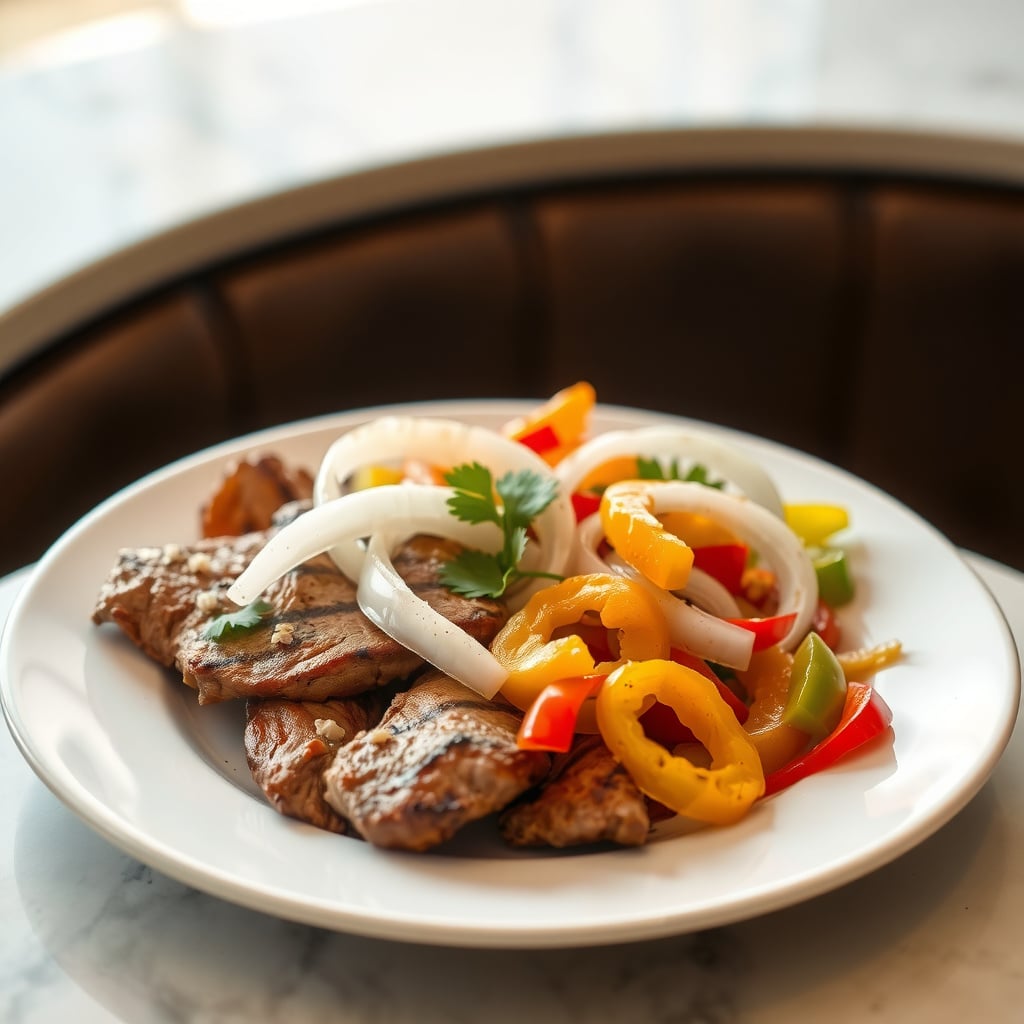
Fusion Fajita Platter: Side-by-Side Tex-Mex & Mexican Styles
70min
4
View Full Recipe →
Ready to simplify your meal planning?
Let OttoChef AI create personalized meal plans for your family in seconds.