
Teaching Kids to Cook: Age-Appropriate Skills for Every Stage
Discover which cooking techniques are safe and developmentally appropriate for children ages 2-16, plus practical strategies for building confidence in the kitchen.
Sarah Mitchell
Test Kitchen Director
April 4, 2026
7 min read
24 views
Every parent remembers the first time their toddler pulled a chair to the counter, eyes wide with curiosity about what's happening in those pots and pans. That natural interest is the foundation for a lifetime of kitchen confidence—but knowing where to start can feel overwhelming. Which tasks are safe for a four-year-old? When can they use a knife? How do you teach technique without crushing enthusiasm?
The key isn't waiting until children are "old enough" to cook. It's matching tasks to their developmental stage, building skills progressively, and creating an environment where mistakes become learning moments rather than disasters.
Ages 2-4: Sensory Exploration and Simple Tasks
Toddlers and preschoolers learn through their senses. This age isn't about producing perfect results—it's about building positive associations with food and developing fine motor skills.
Start with tasks that involve touching, smelling, and tasting. Washing vegetables under running water teaches them about food preparation while engaging their tactile sense. Tearing lettuce for salads builds hand strength. Stirring thick batters (think muffins or pancakes) in a large bowl develops coordination.
Safety First
Place a non-slip mat under bowls to prevent spills. Use unbreakable mixing bowls and utensils. Always supervise closely, especially around water and hot surfaces.
At this age, children can also help with ingredient gathering—"Can you bring me three eggs from the refrigerator?"—which builds counting skills and makes them feel like essential kitchen helpers. Let them smell spices and describe what they notice. This sensory vocabulary becomes crucial for developing their palate later.
The Science of Learning
Research shows that children who help prepare food are more likely to try new ingredients. The act of creation builds investment in the outcome.
Ages 5-7: Measuring, Mixing, and Basic Cutting
Early elementary students are ready for more precision and independence. Their fine motor skills have developed enough to handle measuring cups and spoons, though they'll need guidance on leveling dry ingredients and reading measurements.
This is the perfect age to introduce safe cutting techniques. Start with a butter knife and soft ingredients like bananas or cooked potatoes. Teach the "claw grip"—fingers curled inward, knuckles forward—even with these beginner tools. The muscle memory they build now will serve them when they graduate to sharper knives.
The Bridge Hand
Place their non-cutting hand flat on the ingredient like a bridge, fingers spread wide. This keeps fingers away from the cutting zone while stabilizing the food.
The Sawing Motion
Demonstrate gentle back-and-forth movements rather than pressing down. This works well with butter knives on soft ingredients and builds the right motion pattern.
The Gathering Technique
After each cut, show them how to gather cut pieces to one side, keeping the cutting area clear and organized.
Children this age can also crack eggs (expect some shells—it's part of learning), whisk ingredients, and use a peeler with supervision. Peeling carrots or cucumbers teaches them to work away from their body and builds the hand strength needed for more advanced tasks.
"The goal isn't perfection. It's building confidence through repetition and celebrating small victories."
Culinary educator Maria MontessoriAges 8-10: Heat Introduction and Knife Skills
This age group is ready for one of cooking's biggest milestones: controlled heat. Start with the microwave, teaching them to use pot holders and check food temperature. Progress to the stovetop with careful supervision.
Begin with boiling water for pasta or blanching vegetables—tasks with clear visual cues and minimal risk. Teach them to turn pot handles inward, never reach over steam, and test food temperature before tasting. These safety habits become automatic with practice.
Knife skills advance significantly during these years. Introduce a small chef's knife (6-inch blade) for children with good motor control. Practice on forgiving ingredients: mushrooms, zucchini, bell peppers. Teach proper grip—pinch the blade near the handle with thumb and forefinger, wrap remaining fingers around the handle.
Common Mistake
Don't give children dull knives thinking they're safer. Dull blades require more pressure and slip more easily. A sharp knife with proper supervision is actually safer.
This age group can also learn basic sautéing—adding vegetables to a hot pan with oil, listening for the sizzle, and stirring with a wooden spoon. Teach them to add ingredients away from their body to avoid splatter, and to never leave the stove unattended.
Ages 11-13: Complex Techniques and Independence
Middle schoolers are ready to prepare complete dishes with minimal supervision. Their abstract thinking has developed enough to understand why techniques work, not just how to execute them.
Introduce multitasking: boiling pasta while preparing sauce, or roasting vegetables while proteins rest. This builds time management skills and teaches them to think about cooking as a system rather than isolated tasks.
Teach them to read recipes critically. Before starting, have them identify all ingredients and equipment needed. This "mise en place" mindset—having everything in place—prevents mid-recipe panic and builds organizational skills that extend beyond the kitchen.
Building Intuition
Encourage them to taste as they cook and adjust seasonings. Ask questions like "What does this need?" or "How could we make this brighter?" This develops their palate and critical thinking.
This is also the age to introduce food safety seriously: proper handwashing, avoiding cross-contamination between raw proteins and vegetables, checking internal temperatures with a thermometer, and understanding refrigeration requirements. Make these practices non-negotiable habits.
Baking becomes more accessible now. They can understand how ingredients interact—why you cream butter and sugar, how gluten develops, what leavening agents do. This scientific understanding makes them better problem-solvers when things don't go as planned.
Ages 14-16: Culinary Creativity and Meal Planning
Teenagers can handle nearly all kitchen tasks with appropriate safety awareness. The focus shifts from learning individual techniques to combining them creatively and developing personal cooking style.
Encourage them to modify recipes based on available ingredients or dietary needs. Challenge them to plan and execute a complete meal, including timing multiple dishes to finish simultaneously. This builds executive function skills and confidence.
Introduce knife techniques like julienne, brunoise, and chiffonade. Not because they need to dice vegetables into perfect cubes, but because precision work builds focus and pride in craftsmanship. Let them choose which techniques matter for their cooking style.
Cultural Exploration
This age is perfect for exploring international cuisines. Let them research a cuisine that interests them, understand its flavor principles, and attempt traditional techniques. This builds cultural awareness alongside cooking skills.
Teach them about ingredient substitutions and flavor building. Why does acid brighten a dish? How does salt enhance sweetness? What happens when you toast spices? This knowledge transforms them from recipe-followers into intuitive cooks.
Most importantly, give them ownership. Let the kitchen be theirs sometimes. Accept that their methods might differ from yours. The goal is raising competent, confident adults who can feed themselves and others—not creating carbon copies of your cooking style.
Creating a Learning-Friendly Kitchen Environment
Regardless of age, certain environmental factors support learning. Keep a sturdy step stool accessible for younger children. Organize ingredients and tools at their eye level when possible. Use visual timers for younger kids who can't tell time yet.
Create a culture where mistakes are expected and valuable. Burned toast? Talk about what happened and how to prevent it. Too much salt? Discuss how to balance flavors. Every mishap is a teaching moment that builds resilience.
Celebrate progress, not perfection. Take photos of their creations. Let them serve their dishes to family. Create a family cookbook with their recipes and notes. These tangible markers of growth build intrinsic motivation that lasts far beyond childhood.
The Long Game
Remember that you're not just teaching cooking—you're building life skills. Organization, patience, creativity, cultural awareness, and the ability to nourish themselves and others. The slightly messy kitchen is a small price for those outcomes.
The children who learn to cook don't just gain a practical skill. They develop a relationship with food that's active rather than passive, creative rather than consumerist. They understand that good food requires time and attention. They carry these lessons into adulthood, becoming the kind of people who know that the best meals are the ones you make yourself, ideally with people you love beside you in the kitchen.
Try This Recipe
Now that you've learned about teaching kids to cook: age-appropriate techniques, put your knowledge into practice with this recipe:
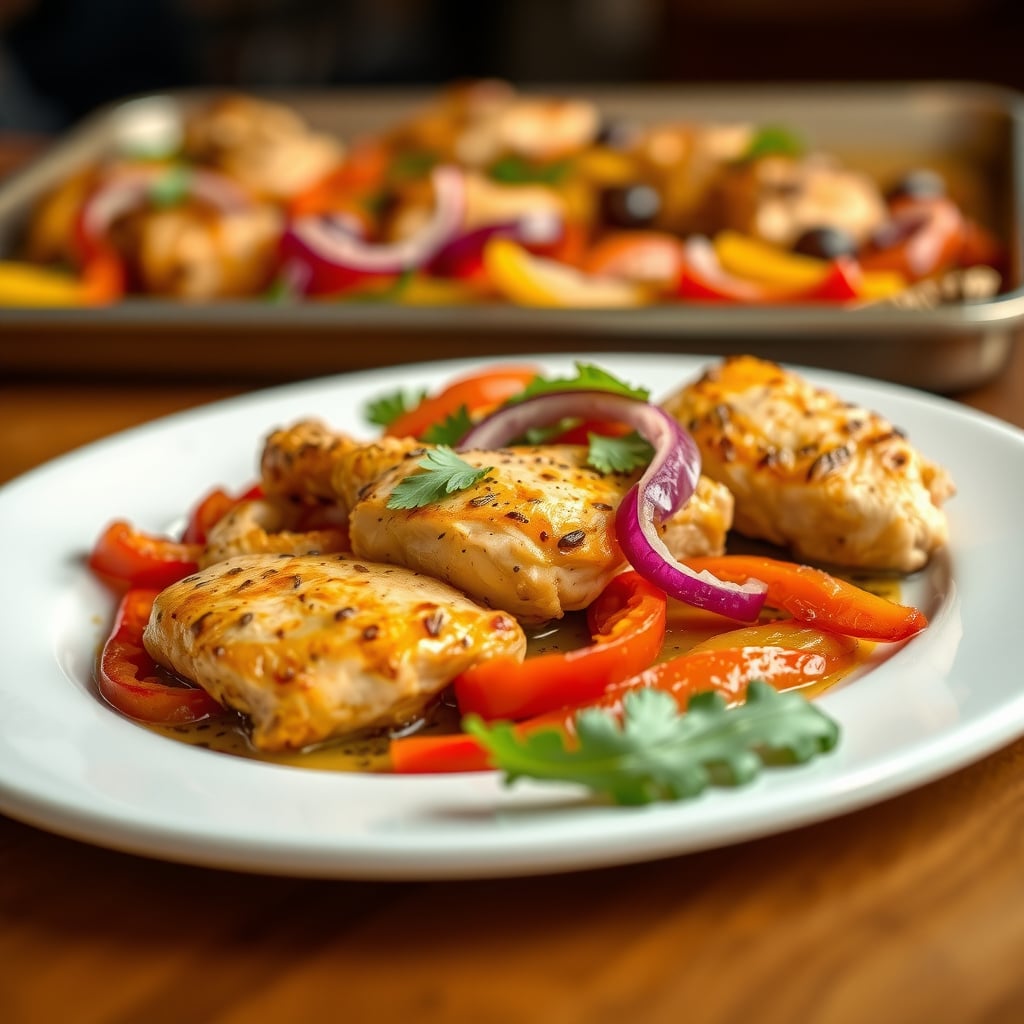
Family-Style Sheet Pan Chicken Fajitas
50min
4
View Full Recipe →
Ready to simplify your meal planning?
Let OttoChef AI create personalized meal plans for your family in seconds.