
Teaching Kids to Cook: A Guide to Age-Appropriate Skills
Empower your children in the kitchen with this guide to age-appropriate cooking techniques, from safe knife skills to heat management for every developmental stage.
Daniel Park
Culinary Contributor
June 10, 2026
5 min read
1 view
The kitchen is a laboratory for learning. While the prospect of involving children in meal preparation often brings to mind images of flour-dusted floors and increased cleanup time, the long-term benefits of teaching children to cook are substantial. Beyond the practical life skill of feeding oneself, cooking integrates mathematics, chemistry, and fine motor development. The key to a successful experience is matching the culinary task to the child's developmental stage, ensuring they are challenged without being overwhelmed.
The Power of Choice
Research indicates that children who participate in food preparation are significantly more likely to try new ingredients and develop a diverse palate. Involvement reduces food neophobia by creating a sense of ownership over the final dish.
Toddlers and Preschoolers (Ages 2–4): Sensory Exploration
At this stage, the focus is not on the final product but on tactile exploration and basic motor skills. Children in this age group are developing their grip and learning to follow simple, one-step instructions. Activities should be centered around ingredients that are safe to touch and do not require sharp tools.
Techniques for this age include tearing leafy greens, such as kale or romaine lettuce, into bite-sized pieces. They can also scrub firm vegetables like potatoes or carrots using a vegetable brush. Stirring is another foundational skill, though it is best practiced with room-temperature liquids or dry ingredients to avoid burn risks.
Safety First
Always supervise children around heat and sharp objects. Establish a permanent 'no-go zone' around the stove and oven for toddlers to prevent accidental burns.
Early Elementary (Ages 5–7): Introducing Tools
As hand-eye coordination improves, children can begin using specialized kitchen tools. This is the ideal time to introduce measuring, which reinforces early math skills like fractions and volume. Teach them the difference between liquid and dry measuring cups and the importance of leveling off flour for accuracy.
This is also the stage where basic knife safety begins. Start with nylon knives or blunt spreaders. Children can practice 'cutting' soft items like bananas, strawberries, or butter. Introducing the correct hand positioning early prevents the development of dangerous habits later.
The Bridge Cut
Instruct the child to form a 'bridge' over the ingredient with their thumb and fingers. They should slide the knife through the tunnel of the bridge to cut the object in half, keeping their fingers well away from the blade edge.
The Claw Grip
To slice smaller pieces, teach the 'claw' grip. The child curls their fingertips inward toward their palm, using their knuckles as a guide for the side of the blade. This protects the sensitive tips of the fingers.
Middle Childhood (Ages 8–12): Heat and Precision
By age eight, many children have the focus required to work near a heat source. Begin with low-risk tasks like stirring a pot of simmering liquid with a long-handled spoon or flipping items in a cold pan before the heat is turned on to practice the motion.
The Bench Scraper Advantage
A bench scraper is an excellent tool for children in this age group. It allows them to move chopped ingredients from the cutting board to a bowl or pan far more safely and efficiently than using the edge of a knife.
Instruction should also move toward 'mise en place' - the practice of preparing all ingredients before cooking begins. This organizational technique is vital for children who may otherwise feel rushed or panicked once the stove is on. Teaching them to peel vegetables with a Y-peeler and use a box grater (with a finger guard) adds to their prep-cook repertoire.
"The kitchen is a laboratory where every mistake is a lesson and every success is edible."
UnknownAdolescents (Ages 13+): Culinary Independence
Teens are capable of managing entire meal processes, from planning to execution. At this level, the education shifts from mechanical skills to conceptual understanding. Discuss how to balance flavors using acid, salt, and fat. Teach them to recognize the visual cues of the Maillard reaction - the browning on a seared protein that indicates deep flavor development.
Advanced techniques for teens include emulsification (making a vinaigrette from scratch), safe handling of raw proteins to prevent cross-contamination, and managing multiple cooking timers simultaneously. This is the time to introduce high-heat techniques like searing and roasting, emphasizing the importance of using dry oven mitts and venting steam away from the face when opening an oven door.
The Science of Sensory Learning
Early exposure to varied textures and smells helps children overcome picky eating habits by building familiarity and reducing food neophobia.
Building a Positive Kitchen Environment
To make these lessons stick, maintain an environment where mistakes are treated as part of the process. If a child over-salts a dish or burns a piece of toast, use it as a moment to discuss why it happened and how to adjust next time. Patience is the most important ingredient when teaching. By gradually increasing the complexity of tasks, you provide children with the confidence to move from being passive observers to active, capable participants in the family's culinary life.
Try This Recipe
Now that you've learned about teaching kids to cook: age-appropriate techniques, put your knowledge into practice with this recipe:
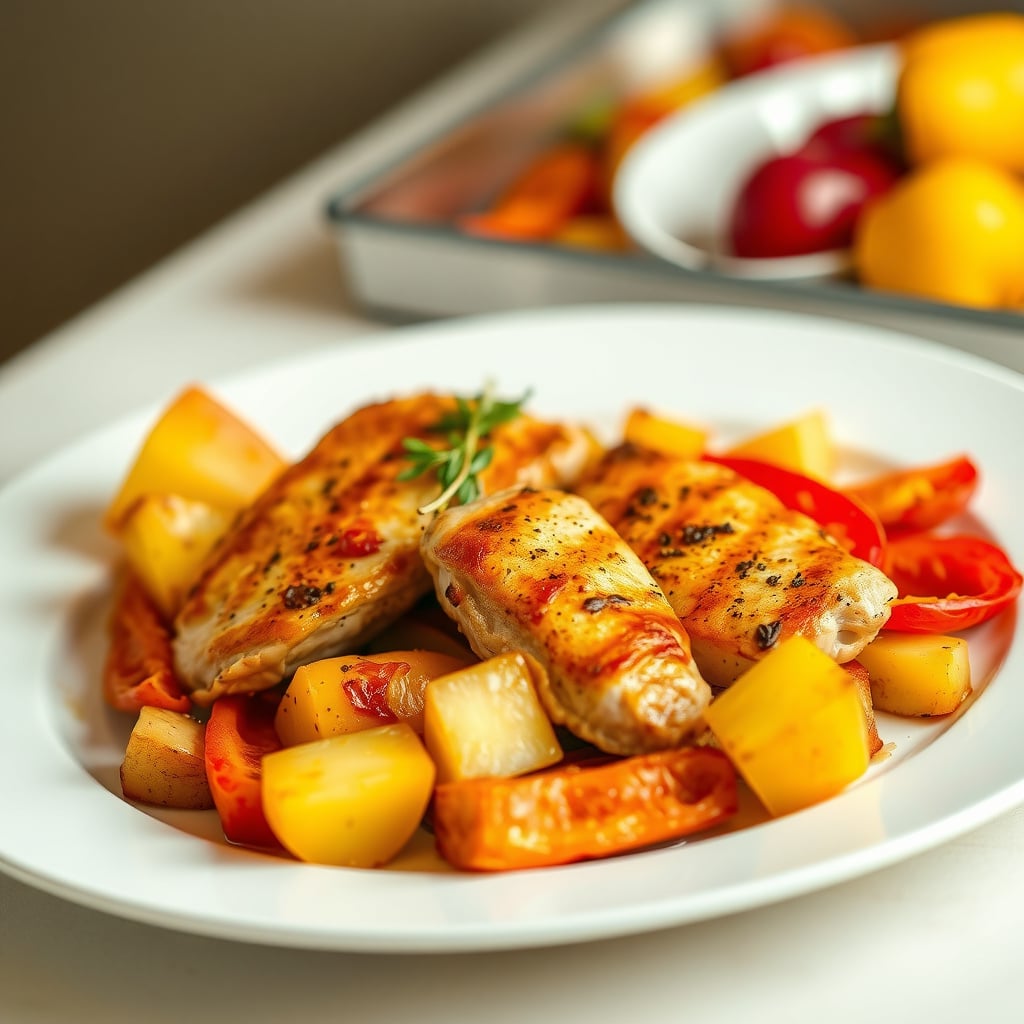
Family-Style Rainbow Chicken & Veggie Sheet Pan Bake
60min
4
View Full Recipe →
Ready to simplify your meal planning?
Let OttoChef AI create personalized meal plans for your family in seconds.