
Teaching Kids About the World Through Cooking: A Family Guide
Transform your kitchen into a geography classroom. Learn how cooking international dishes with kids builds cultural awareness, food literacy, and family bonds.
Sofia Rossi
Kitchen Editor
April 24, 2026
9 min read
5 views
Last Tuesday, my seven-year-old asked where India was on the map. By Friday, she could point it out instantly—not because of a geography lesson, but because we'd spent the week making naan bread together and talking about the Himalayas while the dough rose.
Cooking with your family offers something textbooks can't: a multi-sensory journey that makes geography tangible. When kids smell cardamom, taste miso, or knead masa harina, they're not just learning where countries are—they're understanding why those places matter.
Why Food Makes Geography Stick
Children remember experiences, not facts. The act of cooking engages all five senses simultaneously, creating stronger neural pathways than visual learning alone. When your child tastes the sourness of tamarind in a Thai dish, they're building a memory anchor that connects Thailand to a specific flavor profile, climate (tamarind thrives in tropical regions), and culinary tradition.
This approach works because it's concrete. Abstract concepts like "Southeast Asia" become real when you're chopping lemongrass and discussing how it grows in warm, humid climates. Geography stops being about memorizing capitals and becomes about understanding how environment shapes what people eat.
The Research Behind It
Studies show that multisensory learning improves information retention by up to 75% compared to single-sense learning. Cooking engages taste, smell, touch, sight, and sound—creating powerful memory associations.
Building Your Culinary World Tour
Start with a simple framework that grows with your family's interest. You don't need to cook elaborate meals—even simple preparations teach cultural lessons.
Choose a continent or theme monthly. January might be Mediterranean cuisines, February could explore East Asia. This gives kids time to absorb cultural context without overwhelming them. Between cooking sessions, read books set in those regions, watch age-appropriate documentaries, or listen to music from those countries.
Let geography guide ingredient choices. When exploring Mexican cuisine, discuss why corn is central (it's indigenous to Mesoamerica). When making Japanese rice balls, explain how Japan's mountainous terrain made rice cultivation in valleys essential. These connections help kids understand that cuisine isn't random—it's shaped by what grows locally.
Start With Familiar Flavors
Begin your world tour with cuisines that have familiar elements. Italian pasta dishes, Mexican quesadillas, or Chinese fried rice all have components kids recognize, making the leap to new flavors less intimidating.
Use cooking as a springboard for broader learning. While making Indian dal, pull up images of lentil fields in Punjab. When preparing Greek tzatziki, show photos of cucumber farms in Crete. This visual connection between farm and table makes geography three-dimensional.
Age-Appropriate Kitchen Roles
Every family member can participate, regardless of age. The key is matching tasks to developmental stages while maintaining the educational focus.
Ages 3-5: These little ones can tear herbs, mix ingredients in bowls, and taste-test (the most popular job). While they work, talk about where ingredients come from. "These olives grew on trees in Greece, where it's very sunny and warm."
Ages 6-9: This age group can measure, knead dough, and help with simple cutting using age-appropriate tools. They're also ready for map work—have them find countries on a globe while ingredients simmer. Create a wall map where they place stickers for each cuisine you explore.
Ages 10+: Older children can handle more complex techniques like stir-frying, making dumplings, or managing cooking times. Challenge them to research the historical context of dishes. Why do Moroccan tagines have that distinctive cone shape? (It condenses steam in arid climates.) How did Vietnamese pho evolve? (French colonial influence meets traditional Vietnamese flavors.)
"Geography isn't about memorizing maps—it's about understanding how place shapes culture, and culture shapes what we eat."
Chef and educator Alice WatersMaking Cultural Connections Respectful and Authentic
When you bring world cuisines into your kitchen, you're introducing your children to other cultures. This responsibility requires thoughtfulness.
Do your homework. Before cooking a cuisine, learn about its cultural significance. Is this a everyday dish or ceremonial food? What's the proper context? Reading a blog post or watching a video from someone within that culture provides authenticity that generic recipe sites can't match.
Avoid treating cultures as costumes. You're not "playing" at being from another country—you're respectfully learning about how other people live and eat. Discuss this distinction with older children. The goal is appreciation and understanding, not appropriation.
Common Pitfall
Avoid reducing entire countries to single dishes. China isn't just fried rice; it has eight major culinary traditions. Mexico's cuisine varies dramatically from Oaxaca to Yucatán. Acknowledge this diversity rather than treating nations as monoliths.
Seek out authentic voices. When possible, buy ingredients from shops owned by people from those cultures. Chat with them about how they prepare dishes at home. Many communities have cultural centers that offer cooking classes—these provide context you can't get from a cookbook.
Discuss food access and economics. Geography lessons through food offer opportunities to discuss why some regions have abundant resources while others face scarcity. When exploring Ethiopian cuisine, you might discuss climate challenges and drought. These conversations, handled age-appropriately, build empathy and global awareness.
Practical Kitchen Strategies for Busy Families
You don't need hours of free time to make this work. The key is integration, not addition.
Piggyback on regular meals. Already making tacos on Tuesday? Spend five minutes discussing Mexican geography while you prep. Making stir-fry? Show where different ingredients originated (soy sauce from China, ginger from Southeast Asia, garlic from Central Asia).
The Spice Route Trick
Keep a world map in your kitchen and mark where your spices come from. Cinnamon from Sri Lanka, vanilla from Madagascar, black pepper from India. Kids love adding new markers, and it reinforces how interconnected global food systems are.
Create a passport book. Give each child a notebook to document your culinary travels. They can draw flags, paste photos of dishes you've made, write down new words they've learned (like "merci" when making French crêpes), or note interesting facts. This becomes a treasured keepsake and study tool.
Embrace imperfection. Your homemade pita might not puff perfectly. Your sushi rolls might be lumpy. That's fine. The learning happens in the process, not the perfect product. When things don't turn out as expected, discuss why—was the water too hot? Did we knead enough? This troubleshooting builds critical thinking.
Beyond the Kitchen: Extending the Learning
The most effective geography education doesn't stop when the meal ends.
Connect to current events. When age-appropriate, tie your cooking to what's happening in the world. If your family is making Japanese dishes, discuss Japanese innovations in technology or environmental conservation. This builds awareness that countries are living, evolving places, not just historical abstractions.
Build a global pantry gradually. Each month, add a few staple ingredients from the region you're exploring. Soon you'll have fish sauce for Southeast Asian cooking, harissa for North African dishes, and tahini for Middle Eastern preparations. This pantry becomes a tangible representation of your family's growing cultural knowledge.
Document your journey. Take photos of your cooking sessions and the dishes you create. Compile them into an annual book. Kids love looking back at what they've learned, and these photos capture growth—both in cooking skills and cultural understanding.
Language Learning Bonus
Cooking international dishes naturally introduces foreign vocabulary. Kids learn that "pan" means bread in Spanish, "naan" means bread in several South Asian languages, and "pita" comes from Greek. These linguistic connections deepen cultural understanding.
When Kids Resist New Flavors
Not every child will embrace every cuisine immediately. That's normal and okay.
Separate education from consumption. Your child doesn't have to love eating kimchi to learn about Korean fermentation traditions and why preserving vegetables was crucial before refrigeration. The cultural lesson has value independent of whether they clean their plate.
Employ the "adventure bite" rule. Everyone tries one bite of new dishes. No pressure to finish, no forced enthusiasm. Many kids need multiple exposures to new flavors before accepting them. Research suggests it can take 10-15 tries before a child accepts an unfamiliar food.
Let them modify within reason. If the family is exploring Indian cuisine but your child finds curry too spicy, let them have plain rice with a small amount of sauce on the side. They're still participating in the cultural experience and learning, even if their portion is modified.
Focus on the wins. Maybe your picky eater discovered they love Japanese edamame, or Mexican black beans, or Italian focaccia. Celebrate these victories rather than dwelling on rejected dishes. Their palate will expand over time.
The Long Game: What Kids Really Learn
The geography knowledge is valuable, but it's not the only benefit. Through cooking around the world, children develop:
Cultural empathy. Understanding that people worldwide have different but equally valid ways of preparing food builds respect for diversity.
Critical thinking. Why do coastal regions eat more fish? Why are spices more prominent in hot climates? These questions develop analytical skills.
Math and science skills. Measuring ingredients teaches fractions. Observing how heat changes food demonstrates chemistry. Doubling recipes requires multiplication.
Confidence. Mastering techniques from various cuisines builds competence in the kitchen, a life skill that serves them forever.
Family bonds. Cooking together creates shared experiences and memories. Years later, your children will remember making dumplings with you, laughing over failed attempts, celebrating successes.
Your kitchen is a passport to everywhere. Every meal is an opportunity to explore, question, and discover. The world is vast, but it becomes knowable—one dish, one conversation, one shared meal at a time.
Start small. Pick a country that interests your family. Find one simple dish from that region. Cook it together. Talk about where it comes from and why. Then do it again next week with somewhere new.
Before you know it, your children won't just know where countries are on a map—they'll understand the people who live there, what grows in their soil, and how their history shaped what they eat. That's geography that sticks.
Try This Recipe
Now that you've learned about geography through food: cooking around the world, put your knowledge into practice with this recipe:
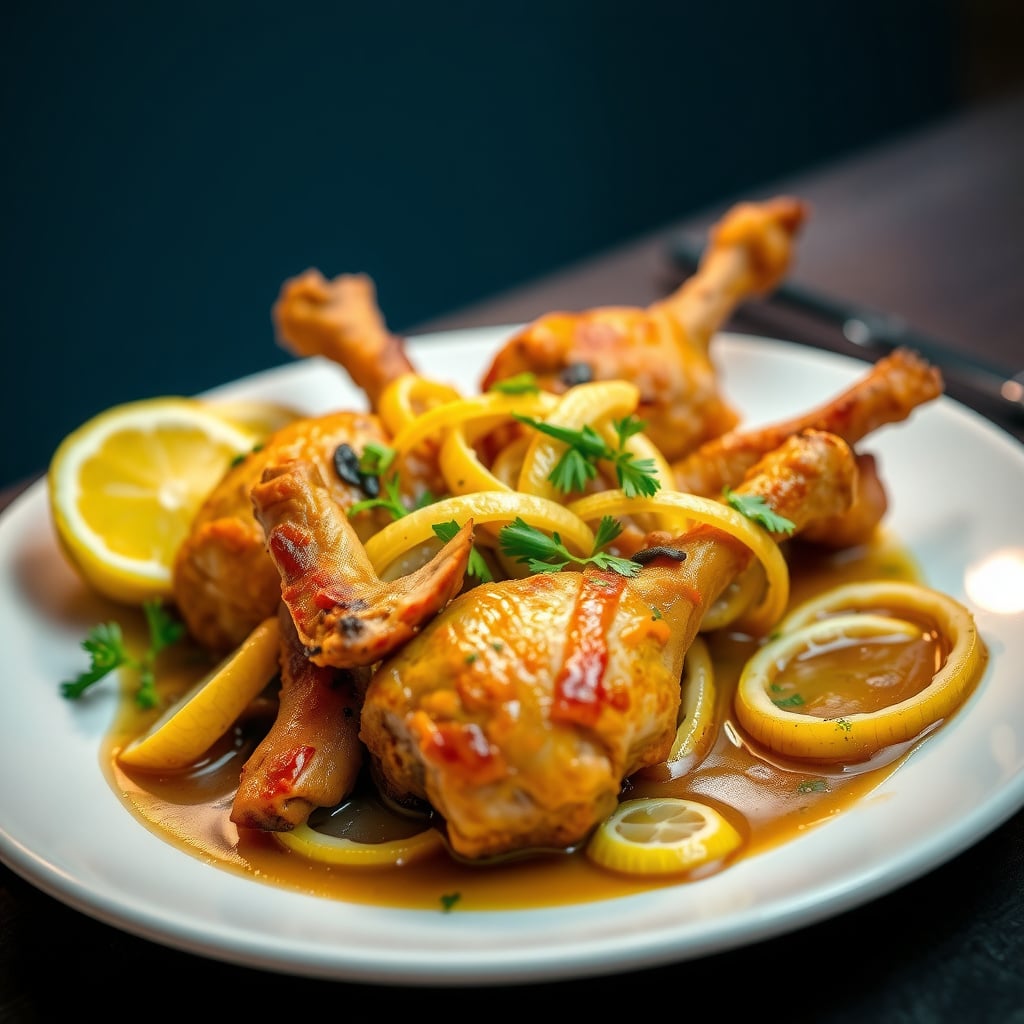
Family-Style Moroccan Chicken Tagine with Preserved Lemons
100min
4
View Full Recipe →
Ready to simplify your meal planning?
Let OttoChef AI create personalized meal plans for your family in seconds.