
Stretching Proteins: Budget-Friendly Techniques from World Cuisines
Learn how cultures worldwide make proteins go further with smart techniques like braising, grinding, and flavor-building that maximize taste while minimizing cost.
Alex Thompson
Food Editor
February 6, 2026
8 min read
6 views
When a pound of chicken costs $5 and ground beef hovers around $6, many home cooks feel trapped between their budgets and their desire to serve satisfying, protein-rich meals. But here's the secret that grandmothers from Beijing to Buenos Aires have known for centuries: you don't need large portions of protein to create deeply satisfying meals. The key lies in techniques that stretch proteins further while actually intensifying their flavor.
Across the globe, cuisines developed in response to scarcity have perfected the art of making a little meat go a long way. These aren't compromise techniques—they're culinary wisdom that often produces more flavorful results than simply grilling a large steak or roasting a whole chicken breast.
The Philosophy Behind Protein Stretching
Protein stretching isn't about deprivation—it's about distribution and flavor amplification. When you use 8 ounces of meat to feed four people instead of two, you're not just saving money. You're learning to build complex, layered flavors where the protein acts as a flavor component rather than the sole star of the plate.
The Magic Ratio
Many traditional cuisines aim for a 1:3 or 1:4 ratio of protein to other ingredients. A Chinese stir-fry might use 6 ounces of pork to serve four people, while an Italian ragù uses 1 pound of meat in a sauce that serves 6-8. This isn't limitation—it's sophisticated flavor building.
Grinding and Mincing: The Universal Solution
Perhaps the most widespread protein-stretching technique is grinding or finely mincing meat. When you break protein down into smaller pieces, it distributes more evenly throughout a dish, creating the perception of abundance while using less actual meat.
Choose Your Cut Wisely
Start with tougher, fattier cuts like chuck, pork shoulder, or chicken thighs. These have more flavor than lean cuts and stay moist when cooked. Buy them whole and grind at home if possible—you'll save money and control the fat ratio.
Maximize Surface Area
Grind or mince finely. Smaller pieces mean more surface area for browning and seasoning. In Chinese cooking, this is called "velvet mincing"—cutting meat so fine it almost melts into the dish.
Build Flavor Through Browning
Don't crowd the pan. Brown your ground meat in batches if needed. That caramelization (the Maillard reaction) creates hundreds of flavor compounds that make a small amount of meat taste much more substantial.
This technique appears everywhere: Middle Eastern kofta stretches lamb with bulgur wheat, Mexican picadillo extends beef with potatoes and vegetables, and Thai larb makes a little ground meat into a complete meal with herbs, lime, and toasted rice powder.
The Umami Boost
When using less meat, boost savory depth with umami-rich ingredients: soy sauce, fish sauce, tomato paste, mushrooms, or Parmesan rinds. These create the satisfying "meatiness" your palate craves without requiring more actual protein.
The Braise: Transforming Tough to Tender
Braising is the ultimate budget protein technique. It takes the cheapest, toughest cuts—the ones full of connective tissue that most cooks avoid—and transforms them into melt-in-your-mouth tenderness while creating a rich, flavorful sauce that extends the meat even further.
"A proper braise doesn't just cook meat—it multiplies it, turning tough fibers into tender shreds and creating a sauce so flavorful that a little meat goes a very long way."
Traditional French sayingFrench daube, Filipino adobo, Italian osso buco, and American pot roast all follow the same principle: brown the meat, add aromatics and liquid, then cook low and slow until the collagen breaks down into gelatin. That gelatin enriches the sauce, making it silky and substantial.
The beauty of braising for budget cooking is twofold. First, you're using inexpensive cuts—beef chuck instead of ribeye, pork shoulder instead of tenderloin, chicken legs instead of breasts. Second, you can stretch the dish by serving it over grains, polenta, mashed potatoes, or with plenty of crusty bread to soak up that magnificent sauce.
Don't Rush the Process
Braising requires patience. If you try to speed it up with high heat, the meat will be tough and dry. Low and slow (250-300°F) for 2-3 hours is what transforms collagen into that luxurious, lip-smacking texture. Plan ahead or use a slow cooker.
The Stir-Fry Strategy: Vegetables as Co-Stars
Chinese stir-frying is perhaps the world's most refined protein-stretching technique. A typical stir-fry uses 4-6 ounces of protein to serve four people, yet it feels completely satisfying because of how the ingredients interact.
The technique involves three key elements:
Velveting the meat: Marinating thin-sliced protein in cornstarch, egg white, and rice wine creates a protective coating that keeps it tender and helps it hold onto sauce. This means even a small amount of meat delivers big texture and flavor.
Strategic cutting: Slicing meat thinly against the grain and cutting it to match the size of your vegetables creates visual abundance. Your eye perceives more meat than is actually there.
Sauce distribution: A well-made stir-fry sauce clings to everything—meat, vegetables, and rice. This means every bite has protein flavor, even if it's not in every forkful.
The Freezer Trick
Partially freeze meat (about 30 minutes) before slicing for stir-fry. It firms up just enough to make paper-thin slicing easy. This technique is used in professional Chinese kitchens and makes cheap cuts perform like expensive ones.
The Stew Solution: Time Creates Abundance
Stews and curries from around the world prove that protein can be a supporting player rather than the lead actor. West African groundnut stew, Indian curry, Thai massaman, Caribbean goat curry—all use modest amounts of protein swimming in richly flavored, substantial sauces.
The magic happens through layering flavors: browning aromatics, blooming spices, building depth with tomatoes or coconut milk, and then simmering everything together until the boundaries between protein and sauce blur. The result is a dish where two chicken thighs can comfortably serve four people because the sauce itself becomes satisfying and substantial.
The Legume Partnership
Many traditional stews combine small amounts of meat with legumes—beans, lentils, or chickpeas. The legumes add protein, fiber, and substance while absorbing the meat's flavor. Think Cuban black beans with pork, Italian pasta e fagioli, or Indian dal with lamb. You're not replacing meat—you're creating a more nutritious, satisfying, and economical dish.
Flavor Concentration: When Less Becomes More
Sometimes stretching protein means using even smaller amounts but concentrating their flavor so intensely that they transform an entire dish. Think of how a ham hock flavors an entire pot of beans, how bacon adds depth to a vegetable soup, or how a small amount of Chinese sausage perfumes a whole pot of fried rice.
This technique requires choosing proteins with intense flavor—cured meats, smoked products, or aged ingredients—and using them as seasoning rather than the main event. A few ounces of chorizo can flavor a paella serving eight. Two strips of bacon can transform a pound of Brussels sprouts. An anchovy or two can add savory depth to a pasta sauce without announcing their presence.
The Dumpling and Filling Philosophy
Wrapping small amounts of protein in dough or leaves is another universal stretching technique. Chinese dumplings, Polish pierogi, Latin American empanadas, Middle Eastern sambousek, and Japanese gyoza all follow this pattern: a flavorful protein filling extended with vegetables, wrapped in a starchy exterior.
The genius is multi-fold. The wrapper provides substance and satisfaction. The small amount of filling gets intensely seasoned, so every bite delivers big flavor. And the cooking method—whether steaming, boiling, or pan-frying—creates textural variety that makes the dish feel special and complete.
The Cabbage Secret
Many dumpling traditions extend meat with finely chopped cabbage. It adds moisture, sweetness, and bulk while disappearing into the filling. For every pound of ground meat, you can add up to a pound of finely minced cabbage. Salt it first, let it sit 10 minutes, then squeeze out the liquid before mixing with meat.
Putting It Into Practice
The beauty of these techniques is that they're not recipes—they're approaches you can apply to whatever proteins are on sale this week. Chicken thighs on special? Braise them or stir-fry them. Ground beef marked down? Make a ragù or a curry. Pork shoulder at a good price? It's perfect for stew or pulled for tacos.
Start by choosing one technique that appeals to you and master it. Maybe it's learning to make a proper stir-fry where 6 ounces of chicken feeds your family. Or perhaps it's discovering how a slow-cooked braise transforms tough meat into something magical. Each technique you add to your repertoire is another way to eat well without overspending.
These methods from world cuisines aren't about making do with less—they're about cooking smarter, building deeper flavors, and discovering that some of the world's most satisfying dishes were born from the wisdom of stretching proteins with skill and creativity. Your wallet will thank you, and your taste buds might just prefer these approaches to a simple grilled chicken breast.
Try This Recipe
Now that you've learned about stretching proteins: techniques from world cuisines, put your knowledge into practice with this recipe:
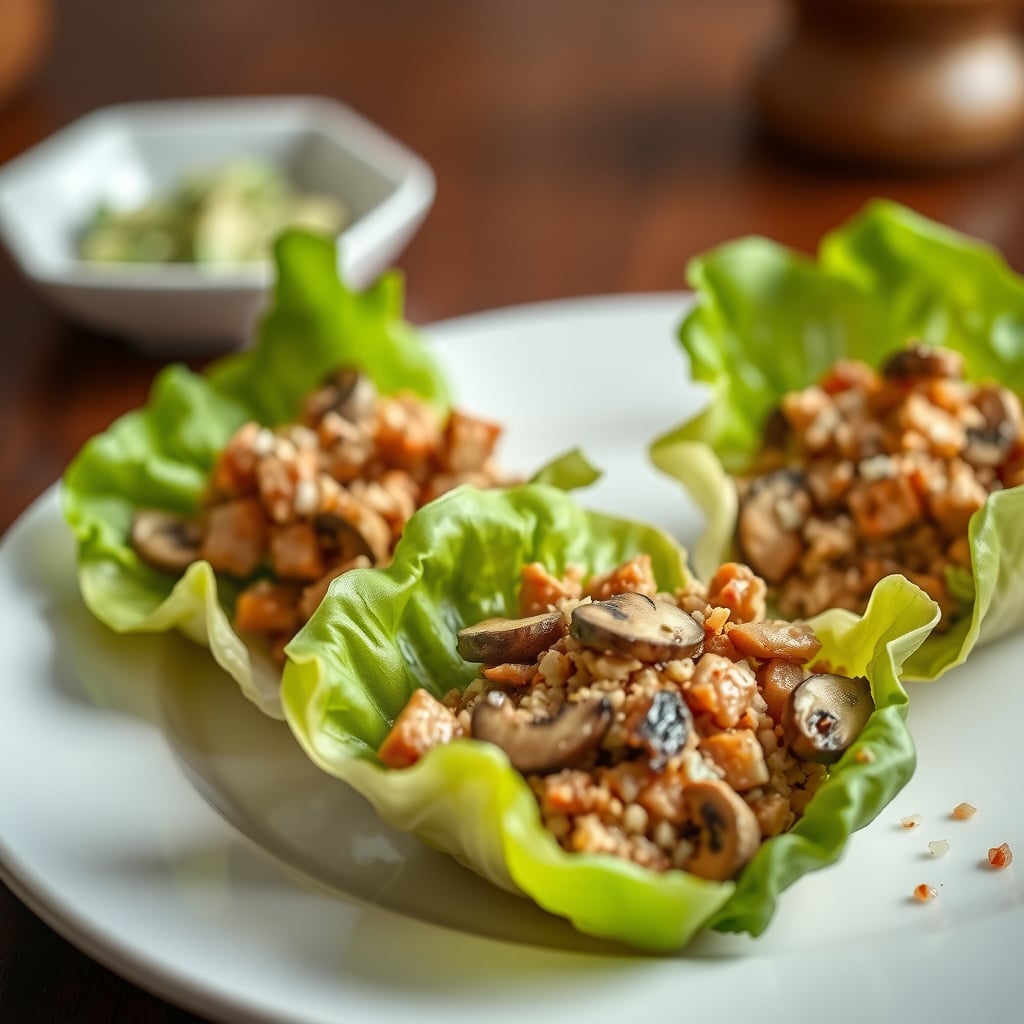
Chinese-Style Pork and Mushroom Lettuce Cups with Toasted Rice Powder
43min
4
View Full Recipe →
Ready to simplify your meal planning?
Let OttoChef AI create personalized meal plans for your family in seconds.