
Sri Lankan Spices: Mastering the Art of Complex Flavor Building
Learn how Sri Lankan cuisine creates extraordinary depth through roasting, tempering, and layering spices. Transform your cooking with these essential techniques.
Sofia Rossi
Kitchen Editor
April 3, 2026
7 min read
11 views
When you open a jar of Sri Lankan curry powder, you're not just smelling spices—you're experiencing the result of centuries-refined techniques for building flavor complexity. Unlike many spice blends that simply combine ground ingredients, Sri Lankan cooking treats spices as a dynamic system, where roasting, tempering, and layering create flavors far greater than the sum of their parts.
The island nation's cuisine offers home cooks invaluable lessons in flavor development. Understanding these principles will transform not just your curries, but your entire approach to seasoning.
The Foundation: Sri Lanka's Essential Spice Palette
Sri Lankan cooking centers on a distinct group of spices that differ from neighboring Indian cuisines. The core players include Ceylon cinnamon (true cinnamon, not the cassia variety common in supermarkets), black pepper, fennel seeds, cumin, coriander, cardamom, cloves, curry leaves, and pandan leaves. What makes Sri Lankan cuisine unique is the prominence of roasted curry powder (thuna paha) and the liberal use of both black pepper and Ceylon cinnamon together—a combination that creates warm, complex heat rather than simple spiciness.
Ceylon Cinnamon vs. Cassia
True Ceylon cinnamon (Cinnamomum verum) has a delicate, sweet complexity with citrus notes. Cassia cinnamon, common in Western stores, is more intensely sweet and one-dimensional. For authentic Sri Lankan flavors, seek out Ceylon cinnamon—its subtle character allows other spices to shine while adding essential warmth.
The real insight isn't just which spices to use, but how Sri Lankan cooks manipulate them through heat and timing to extract different flavor compounds.
The Roasting Revolution: Unlocking Hidden Flavors
Roasting whole spices before grinding is perhaps the most transformative technique in Sri Lankan cooking. This process fundamentally alters the chemical structure of spices, creating new aromatic compounds while mellowing harsh notes.
Select and Prepare
Use whole spices only—pre-ground spices have already lost volatile oils. Measure out coriander seeds, cumin seeds, fennel seeds, and fenugreek seeds. Keep them separate initially as they roast at different rates.
Dry Roast Individually
Heat a heavy-bottomed pan over medium-low heat. Add one spice variety at a time, shaking constantly. Watch for color change and listen for subtle crackling. Coriander seeds take 3-4 minutes, cumin 2-3 minutes, fennel 2-3 minutes, and fenugreek just 1-2 minutes until golden.
Cool Completely
Transfer roasted spices immediately to a cool plate. This stops the cooking process and prevents bitter, burnt flavors. Let them cool for at least 10 minutes before grinding.
Grind Fresh
Use a spice grinder or mortar and pestle to grind the cooled spices together with cinnamon pieces, cardamom pods, and cloves. The result should be aromatic and warm, not harsh.
The Fenugreek Factor
Fenugreek seeds turn bitter quickly when overheated. They should turn just one shade darker and smell nutty, not coffee-like. When in doubt, under-roast rather than over-roast fenugreek.
The difference between roasted and unroasted spice blends is dramatic. Roasting creates Maillard reactions—the same browning chemistry that makes seared meat and toasted bread delicious. Your curry powder becomes nutty, toasty, and complex rather than raw and sharp.
Tempering: The Critical Flavor Launch
Sri Lankan cooking employs tempering (tadka or thaalana) not just at the end of cooking like some Indian traditions, but often at the beginning. This technique blooms spices in hot oil or ghee, extracting fat-soluble flavor compounds that water-based cooking alone cannot access.
The key is getting the oil hot enough to sizzle immediately when spices hit it, but not so hot that they burn. Heat oil until it shimmers (around 350°F), then add whole spices like mustard seeds, curry leaves, or dried chilies. The vigorous bubbling releases aromatic compounds into the oil, which then distributes throughout the dish.
"The sound tells you everything. When curry leaves hit properly heated oil, they should crackle enthusiastically. Silence means your oil isn't hot enough; smoking means it's too hot."
Traditional Sri Lankan sayingCurry leaves deserve special attention. These small, aromatic leaves (not related to curry powder) are essential to Sri Lankan flavor profiles. Fresh is vastly superior to dried—they should be vibrant green and release a complex citrus-herbal aroma when crushed. Add them to hot oil and let them crackle for 10-15 seconds before proceeding.
Building Your Tempering Technique
Start with less volatile whole spices (mustard seeds, cumin seeds) in the hot oil, then add more delicate items (curry leaves, garlic) once the first spices pop. This prevents burning while maximizing flavor extraction. The entire tempering process should take 30-45 seconds.
The Layering Principle: Building Depth Through Stages
Sri Lankan cooks add spices at multiple stages of cooking, each layer contributing different characteristics to the final dish. This isn't redundant—it's strategic flavor architecture.
The tempering provides the foundation: bold, oil-carried aromatics. Mid-cooking additions of roasted curry powder build the body: deep, complex spice notes that mellow and integrate with other ingredients. Finishing touches of fresh curry leaves, lime juice, or cracked black pepper provide brightness and lift.
Think of it like music: the tempering is your bass line, the roasted curry powder your harmony, and the finishing elements your melody. Each layer occupies different sensory space.
The Role of Coconut
Coconut milk, grated coconut, or coconut oil appears in most Sri Lankan dishes not just for richness, but because fat carries and balances spice flavors. The mild sweetness of coconut also tempers heat while allowing complexity to emerge. This is why Sri Lankan food tastes layered rather than simply hot.
Heat Management: Beyond Simple Spiciness
Sri Lankan cuisine achieves heat through multiple sources: black pepper, dried chilies, and fresh green chilies. Each provides different sensations. Black pepper gives immediate, sharp heat on the tongue. Dried chilies provide slower-building warmth. Fresh green chilies offer bright, vegetal heat.
Using all three creates complexity rather than one-dimensional burn. The Ceylon cinnamon and fennel seeds add sweetness that balances the heat, while roasted cumin and coriander provide earthiness. This interplay is why well-made Sri Lankan curry feels warm, complex, and aromatic rather than simply painful.
Controlling Heat Levels
To reduce heat without losing flavor, remove seeds from dried chilies before tempering, use fewer fresh chilies, or substitute mild Kashmiri chili powder for hot cayenne. The roasted spice base and tempering still provide authentic flavor without excessive burn.
Practical Application for Home Cooks
You don't need to cook Sri Lankan food exclusively to benefit from these techniques. The principles transfer across cuisines:
Roast whole spices before grinding for any spice blend. Try it with taco seasoning, za'atar, or garam masala—the difference is remarkable.
Temper spices in oil before adding liquids to soups, stews, or grain dishes. This works beautifully with Mediterranean, Middle Eastern, and Latin American cooking.
Layer spices at different stages rather than adding everything at once. Your chili, tagine, or curry gains complexity.
Combine different heat sources (black pepper, paprika, fresh chilies) instead of relying on single-note spiciness.
Balance warm spices with fresh elements—curry leaves in Sri Lankan cooking, cilantro in Mexican, fresh herbs in Mediterranean. This prevents heaviness.
Starting Your Sri Lankan Spice Journey
Begin with a small batch of roasted curry powder. Toast 4 tablespoons coriander seeds, 1 tablespoon cumin seeds, 1 tablespoon fennel seeds, and 1 teaspoon fenugreek seeds separately. Grind them with a 3-inch piece of Ceylon cinnamon, 6 cardamom pods, and 6 cloves. Store in an airtight container.
Use this as your base for experimenting with tempering and layering. The skills you develop—judging roasting by aroma and color, timing your tempering, understanding how flavors build—will elevate everything you cook.
Sri Lankan spice techniques teach us that complexity isn't about using more ingredients, but about treating each ingredient with intention. Roasting unlocks dormant flavors. Tempering distributes them efficiently. Layering creates depth. These aren't exotic tricks reserved for special occasions—they're fundamental skills that make everyday cooking more delicious.
The next time you reach for a spice jar, consider: could roasting it first make a difference? Should you bloom it in oil? Would adding it at two different stages create more interest? These questions, inspired by Sri Lankan tradition, lead to better cooking across all cuisines.
Try This Recipe
Now that you've learned about the spices of sri lanka: building complex flavors, put your knowledge into practice with this recipe:
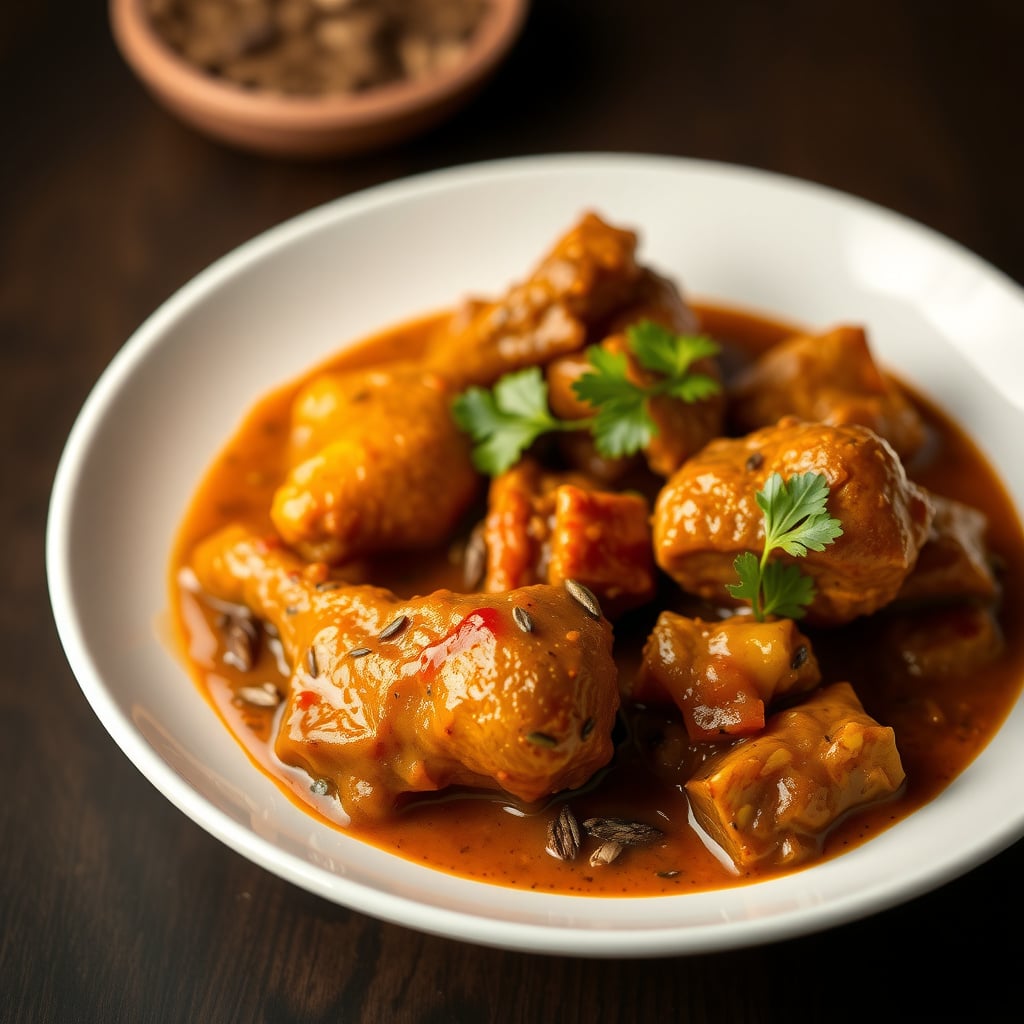
Sri Lankan Black Pepper Chicken Curry with Roasted Spice Blend
80min
4
View Full Recipe →
Ready to simplify your meal planning?
Let OttoChef AI create personalized meal plans for your family in seconds.