
Spanish Tapas: Master the Art of Small Plates, Big Flavors
Discover the philosophy behind Spanish tapas and learn how to create stunning small plates at home. Master techniques for building bold flavors in bite-sized portions.
Lily Nakamura
Recipe Editor
January 31, 2026
7 min read
3 views
The clatter of plates, the buzz of conversation, the parade of small dishes arriving at your table—Spanish tapas culture isn't just about food, it's about transforming eating into a social ritual. But here's what most home cooks miss: tapas aren't simply "appetizers" or "small portions." They're a sophisticated approach to flavor building, texture contrast, and culinary creativity that you can master in your own kitchen.
The beauty of tapas lies in their philosophy: each dish should deliver maximum impact in minimal bites. This means every element—from the quality of your olive oil to the temperature of your pan—matters exponentially more than in larger dishes. Let's explore how to think like a Spanish cook and bring this vibrant tradition into your meal planning.
The Origins of Tapas
The word "tapa" means "lid" or "cover" in Spanish. Legend has it that tapas originated when bartenders placed small plates over wine glasses to keep flies out. Eventually, they started putting food on these covers—and a culinary tradition was born. Today, tapas represent Spain's regional diversity, from Basque pintxos to Andalusian fried fish.
The Philosophy of Flavor Concentration
When you're working with small portions, you can't hide behind quantity. A lackluster sauce or underseasoned ingredient becomes glaringly obvious. This is actually liberating: it forces you to focus on quality and technique.
Start by thinking about flavor layers. Traditional Spanish tapas often combine:
- A rich, savory base (cured ham, aged cheese, quality seafood)
- Bright acidity (sherry vinegar, lemon, pickled vegetables)
- Textural contrast (crispy bread, creamy aioli, crunchy almonds)
- Aromatic finish (smoked paprika, fresh herbs, good olive oil)
This isn't a formula to follow rigidly—it's a framework for building balanced, exciting bites.
The Spanish Pantry Foundation
Stock these essentials for authentic tapas flavor: Spanish olive oil (fruity, peppery varieties), smoked paprika (pimentón), sherry vinegar, Marcona almonds, and quality canned seafood. These ingredients deliver outsized flavor impact and keep for months.
Temperature and Texture: The Hidden Keys
One of the most overlooked aspects of tapas is the interplay of temperatures and textures. The Spanish understand that a room-temperature marinated olive tastes fundamentally different from a cold one, and that contrast creates interest.
Consider the classic combination of pan con tomate (tomato bread). It succeeds because of contrasts: cool, acidic tomato against warm, crispy bread; the fruity olive oil smoothing the texture; flaky salt providing bursts of seasoning. Each element arrives at your palate at a different temperature and texture, creating a dynamic eating experience.
Master Pan Temperature
Heat your pan until a drop of water sizzles and evaporates in 2-3 seconds. This ensures proper searing without steaming your ingredients.
Work in Small Batches
Don't crowd the pan. Cook ingredients in batches if needed—overcrowding drops the temperature and creates steam instead of the crispy exterior tapas demand.
Finish with Freshness
Add fresh elements (herbs, lemon, raw garlic) after cooking. This preserves their bright flavors and creates that essential contrast with cooked components.
"In Spain, we don't eat to live—we live to eat together. Tapas remind us that the best meals are shared, savored slowly, and enjoyed in good company."
Traditional Spanish sayingBuilding a Tapas Menu: The Strategy
Planning a tapas spread isn't about making everything from scratch. Smart Spanish cooks balance prepared items with fresh preparations. This approach makes tapas perfect for meal planning and entertaining.
Your tapas menu should include:
Cold tapas (prepare ahead): Marinated olives, cheese selections, cured meats, marinated vegetables, Spanish potato salad. These can be made hours or even days in advance.
Room temperature tapas (minimal prep): Pan con tomate, marinated seafood, tortilla española (Spanish omelet). These taste best when not refrigerator-cold.
Hot tapas (cook to order): Sautéed shrimp with garlic, fried padron peppers, grilled mushrooms. These should be served immediately for optimal texture.
This three-temperature approach lets you entertain without being stuck in the kitchen. Prepare your cold tapas in the morning, your room-temperature items an hour before guests arrive, and cook hot items in quick succession.
The Garlic Mistake
Raw garlic can overwhelm small plates. When using garlic in tapas, either cook it gently in olive oil until fragrant (not browned), or use it very sparingly raw. The Spanish often rub a cut clove on toasted bread rather than adding minced raw garlic.
The Power of Quality Ingredients
Because tapas highlight individual ingredients, quality becomes non-negotiable. But "quality" doesn't always mean expensive—it means choosing ingredients at their peak and treating them with respect.
For olive oil, use your best extra virgin for finishing and drizzling. Save standard olive oil for cooking. The difference in a simple dish like white beans with olive oil is dramatic.
For seafood, think like a Spanish cook: canned seafood isn't a compromise, it's a delicacy. High-quality Spanish canned tuna, mussels, or octopus can be the star of a tapa, simply dressed with olive oil and lemon.
The Bread Factor
Invest in good bread for tapas. Spanish cooks use sturdy country-style bread that can support toppings without becoming soggy. Toast it properly—golden and crispy, not burnt—and rub with garlic while still hot. The residual heat releases the garlic oils without overpowering the bread.
Adapting Tapas to Your Meal Planning
The tapas philosophy translates beautifully to everyday meal planning. Instead of thinking "main dish plus sides," consider creating several small dishes that together make a complete meal. This approach offers several advantages:
Variety without waste: Make smaller quantities of more dishes, using up odds and ends from your refrigerator.
Flexible portions: Everyone can eat according to their appetite, choosing which dishes and how much.
Batch-friendly: Many tapas components can be prepped ahead, making weeknight dinners faster.
Adaptable to dietary needs: With multiple dishes, accommodating different preferences becomes easier.
Start with one anchor dish (perhaps a protein-based tapa), add a vegetable preparation, include something starchy (bread, potatoes, or beans), and finish with something bright and acidic. This creates a balanced meal that feels abundant without requiring enormous portions of any single dish.
Regional Tapas Variations
Spain's tapas traditions vary dramatically by region. In Basque Country, look for pintxos (pronounced "peen-chos")—small bites on bread held together with toothpicks. In Andalusia, expect fried fish and sherry. Galicia specializes in seafood, particularly octopus and mussels. Understanding these regional differences helps you appreciate the diversity of Spanish cuisine.
The Finishing Touch: Presentation Matters
Spanish tapas succeed partly because they're beautiful. But this isn't fussy plating—it's about respecting the food's natural appeal.
Use simple white plates or rustic earthenware. Let the food's colors shine. A drizzle of vibrant olive oil, a sprinkle of flaky salt, a few fresh herb leaves—these small gestures elevate a dish from ordinary to memorable.
Arrange food naturally, not in perfect lines. Spanish presentation feels abundant and generous, not controlled or precious. Pile olives in a small bowl. Let shrimp tumble across a plate. Tear bread by hand rather than slicing it perfectly.
The Olive Oil Drizzle
Master the Spanish olive oil drizzle: hold the bottle high (about 8-10 inches above the plate) and pour in a thin stream while moving your hand in small circles. This creates those attractive thin lines of oil and distributes it evenly without oversaturating any one spot.
Bringing It All Together
The magic of tapas isn't in complicated techniques or exotic ingredients—it's in the thoughtful combination of simple, quality elements. By focusing on flavor concentration, temperature contrast, and smart preparation strategies, you can bring this convivial Spanish tradition into your regular meal rotation.
Start small. Choose two or three tapas to prepare alongside a simple salad for your next dinner. Notice how the variety changes the meal's rhythm, how conversation flows differently when you're sharing multiple dishes. Pay attention to how flavors build and contrast across the courses.
As you grow comfortable with the tapas philosophy, you'll find it transforms not just what you cook, but how you think about meals. You'll start seeing ingredients as potential combinations, thinking in terms of contrasts and complements, and approaching cooking with the playful creativity that defines Spanish cuisine.
The next time you're meal planning, ask yourself: how can I create more interest with variety rather than volume? How can I make each bite count? These are the questions Spanish cooks have been answering for centuries, one small plate at a time.
Try This Recipe
Now that you've learned about spanish tapas: small plates, big flavors, put your knowledge into practice with this recipe:
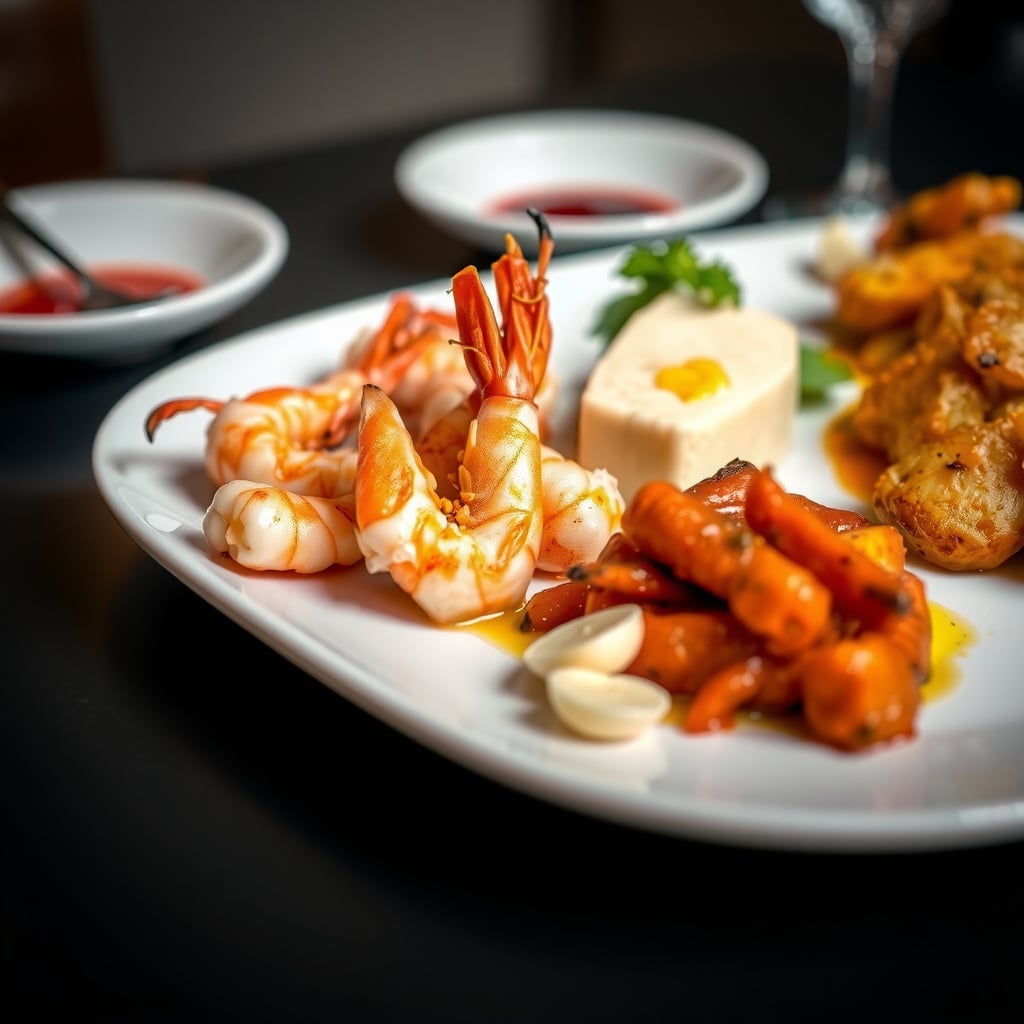
Spanish Tapas Dinner Board: Gambas al Ajillo, Patatas Bravas & Manchego with Membrillo
60min
4
View Full Recipe →
Ready to simplify your meal planning?
Let OttoChef AI create personalized meal plans for your family in seconds.