
Sheet Pan Meal Prep: Maximizing Your Oven Space Like a Pro
Master the art of sheet pan meal prep with smart layering, temperature zones, and timing strategies. Learn how to prep multiple meals efficiently in one oven session.
Emma Chen
Recipe Developer
March 31, 2026
6 min read
7 views
Your oven is one of the most powerful meal prep tools in your kitchen, yet most home cooks only use a fraction of its potential. While you might be roasting vegetables on a single sheet pan, professional kitchens routinely run three or four pans simultaneously, each cooking different components at perfectly calibrated positions. The secret isn't a bigger oven—it's understanding how to orchestrate multiple pans, manage heat zones, and time your cooking strategically.
Understanding Your Oven's Temperature Zones
Your oven isn't a uniform heating chamber. The top rack runs hotter and promotes browning, the middle offers the most even heat, and the bottom is cooler but excellent for gentle cooking. This natural stratification becomes your advantage when meal prepping multiple components.
The top third of your oven typically runs 10-25°F hotter than the set temperature, making it ideal for foods you want to caramelize or crisp quickly—think chicken thighs, Brussels sprouts, or anything that benefits from aggressive browning. The middle rack provides the most accurate temperature and consistent air circulation, perfect for proteins that need even cooking like fish fillets or tofu. The bottom rack, running cooler, works beautifully for foods that need gentler heat or longer cooking times, such as root vegetables or grain-based dishes.
Rotate for Success
Halfway through cooking, rotate your pans both front-to-back AND top-to-bottom. This compensates for hot spots and ensures everything cooks evenly. Set a timer so you don't forget this crucial step.
Strategic Pan Selection and Placement
Not all sheet pans are created equal, and choosing the right combination matters enormously. Half-sheet pans (18x13 inches) are the workhorses of meal prep, fitting two comfortably on most oven racks with room for air circulation. Quarter-sheet pans (13x9 inches) offer flexibility when you're cooking smaller portions or need to fit three pans on two racks.
The key is leaving at least two inches of clearance around each pan. Air needs to circulate freely, or you'll end up steaming instead of roasting. When stacking two racks, position them in the upper-middle and lower-middle slots rather than at the very top and bottom—this optimizes airflow and prevents the dreaded pale, soggy bottom-rack vegetables.
Pan Material Matters
Dark metal pans absorb heat faster and promote deeper browning, while lighter aluminum pans cook more gently. Use darker pans on lower racks and lighter ones up top to balance cooking speeds across multiple racks.
The Timing Cascade Method
The most elegant meal prep sessions follow what professional kitchens call the "timing cascade"—starting items with the longest cooking times first, then adding quicker-cooking elements in strategic intervals. This approach means everything finishes simultaneously, and you're never standing around waiting for one component while others overcook.
Start with Long-Cooking Items
Begin with dense vegetables like sweet potatoes, beets, or winter squash that need 35-45 minutes. Get these into the oven first at your target temperature.
Add Mid-Range Items
After 15-20 minutes, add proteins like chicken legs, salmon fillets, or chickpeas that need 20-25 minutes. This is also when you'd add medium-density vegetables like cauliflower or carrots.
Finish with Quick-Cooking Elements
In the final 10-15 minutes, add delicate items like asparagus, cherry tomatoes, or pre-cooked grains that just need warming and crisping.
"The difference between good meal prep and great meal prep isn't working harder—it's orchestrating your oven space so everything reaches its peak at the same moment."
Professional Kitchen WisdomTemperature Compromise Strategies
What happens when one component wants 375°F while another demands 425°F? You compromise intelligently. Most proteins and vegetables cook successfully across a 375-425°F range—they just need timing adjustments.
When cooking at 400°F (a versatile middle ground), foods that prefer lower heat will simply cook faster, while those wanting higher heat need a few extra minutes. The trade-off is worth it to run multiple pans simultaneously. Cut items that prefer lower temps into larger pieces so they don't overcook, and slice high-heat lovers thinner to compensate for the reduced temperature.
The One Exception
Delicate fish like sole or tilapia really do need precise, lower temperatures (350-375°F). Don't try to cook these alongside high-heat items. Save them for a separate meal prep session or cook them fresh.
Preventing Cross-Contamination of Flavors
When running multiple pans, you're essentially creating a convection current of aromatic compounds. Strong-flavored items like salmon or curry-spiced vegetables will perfume everything else in the oven. Sometimes this is wonderful—who wouldn't want their roasted potatoes kissed with rosemary from the chicken above? Other times, it's problematic.
Place your most neutrally-flavored items on the top rack where rising heat carries flavors away from them. Strong, aromatic foods go on lower racks. If you're cooking fish alongside vegetables, put the fish on top—this prevents fishy flavors from settling onto other foods. For highly aromatic items, consider covering them loosely with foil for the first half of cooking, then uncovering to brown.
Oil, Seasoning, and Moisture Management
The enemy of crispy, caramelized sheet pan meals is excess moisture. When meal prepping multiple pans, moisture management becomes even more critical because humidity builds up faster in a full oven.
Use just enough oil to coat ingredients lightly—about 1-2 tablespoons per sheet pan of vegetables. Too much oil creates steam pockets that prevent browning. Pat proteins completely dry before seasoning; this single step dramatically improves browning. Space items with at least a quarter-inch between pieces—crowding creates steam chambers.
The Paper Towel Test
After tossing vegetables with oil, spread them on your pan. If you see puddles of oil or the pan looks wet, you've used too much. Dab excess with paper towels before cooking.
For items with different moisture contents, use parchment paper strategically. Juicy proteins or wet marinades go on parchment to contain their liquid, while drier items go directly on the pan for maximum contact and browning.
The Cool-Down Protocol
Once everything's cooked, resist the urge to pile hot food immediately into containers. Trapped steam turns crispy exteriors soggy within minutes. Instead, spread items on cooling racks for 10-15 minutes, allowing steam to escape. This brief cooling period also lets proteins rest and vegetables' starches set up, improving texture dramatically.
Transfer to containers only when food reaches room temperature. If you're prepping for the week ahead, consider storing components separately—proteins in one container, vegetables in another, grains in a third. This prevents texture degradation and lets you mix and match throughout the week.
Putting It All Together
Mastering multi-pan meal prep transforms your weekly cooking routine from a marathon into an efficient sprint. By understanding your oven's zones, timing your cascade thoughtfully, and managing moisture and flavors, you can prepare four to six meals in a single 45-minute session.
Start with two pans and build confidence before attempting three or four. Pay attention to what works—which combinations cook well together, which timing intervals feel natural, which temperature compromises succeed. Your oven's quirks are unique, and learning them turns meal prep from a chore into a satisfying culinary rhythm.
The goal isn't perfection on your first attempt. It's developing the orchestration skills that let you look at a week's worth of ingredients and see exactly how they'll flow through your oven, emerging as ready-to-eat meals that actually taste like food you'd want to eat—not just fuel you're obligated to consume.
Try This Recipe
Now that you've learned about sheet pan meal prep: maximizing your oven space, put your knowledge into practice with this recipe:
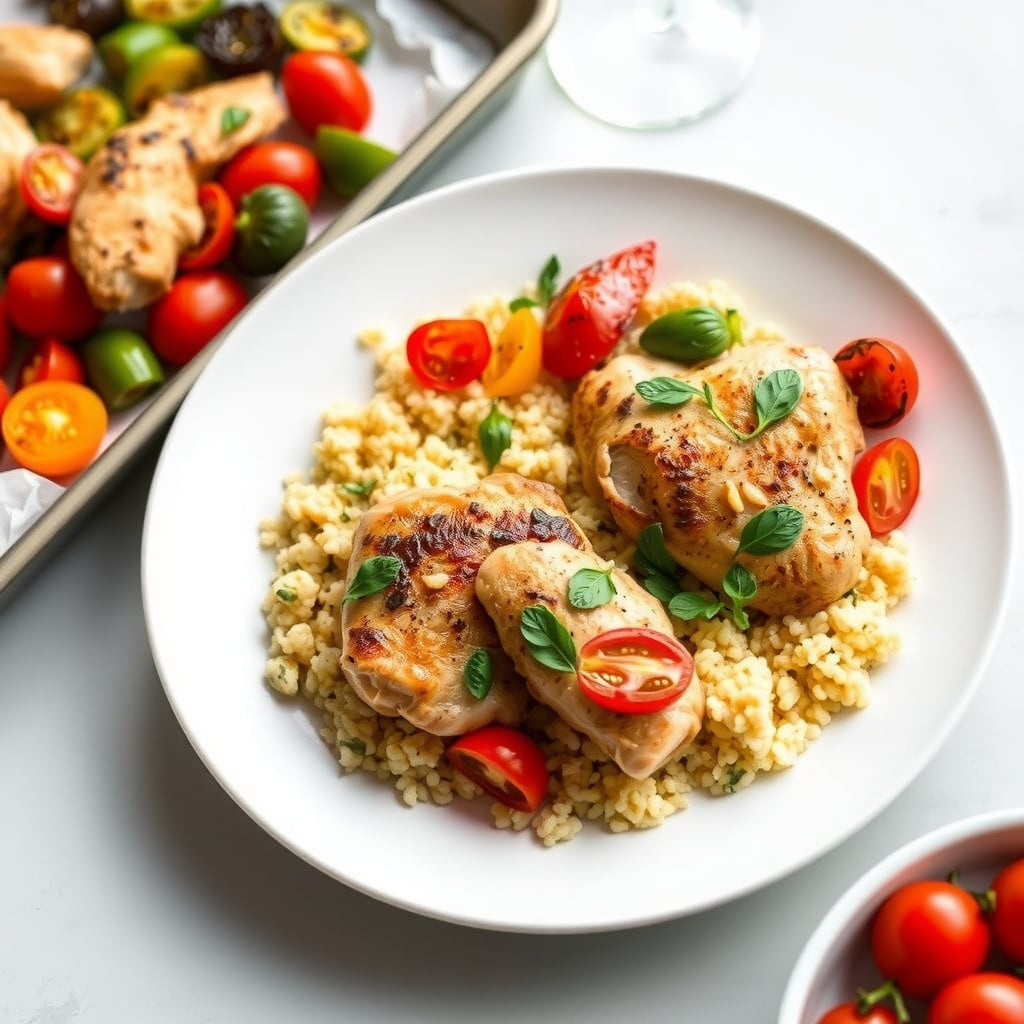
Mediterranean Sheet Pan Chicken with Roasted Vegetables and Lemon Couscous
60min
4
View Full Recipe →
Ready to simplify your meal planning?
Let OttoChef AI create personalized meal plans for your family in seconds.