
Sensory-Chaining: How Texture Mimicry Expands Your Child's Palate
Discover sensory-chaining, a science-backed culinary method to help picky eaters accept new foods by matching textures and building gradual food bridges.
Daniel Park
Culinary Contributor
September 28, 2026
5 min read
2 views
Few dinner table scenarios are as universal—or as exhausting—as the standoff with a picky eater. You present a carefully prepared meal, only to have it rejected at first glance. Frequently, the culprit isn't flavor at all, but rather sensory aversion. Children have highly sensitive tactile receptors in their mouths, meaning a sudden transition from a smooth puree to a fibrous, stringy vegetable can feel genuinely overwhelming.
Instead of engaging in a power struggle, you can use a systematic, science-backed approach: sensory-chaining. By analyzing the textures your child already loves and using 'texture mimicry' as a bridge, you can gradually expand their palate without the stress.
What is Sensory-Chaining?
Sensory-chaining is a method developed by pediatric feeding specialists that builds a bridge from a child's accepted 'safe' foods to new, unfamiliar foods. The concept relies on micro-steps. Instead of asking a child to jump from eating crunchy potato chips to eating steamed broccoli, you create a chain of foods that share similar sensory properties—such as crunch, temperature, color, or shape.
Texture mimicry is the most powerful tool in this process. Texture is often the primary gatekeeper of food acceptance. If you can match the exact mouthfeel of a preferred food in a new ingredient, you bypass the brain's automatic defense mechanism against unfamiliar textures.
The Science of Texture
Texture accounts for up to 60% of a child's food rejection. Children possess more active tactile receptors in their mouths than adults, making slimy, stringy, or unpredictable textures feel physically threatening. This is an evolutionary survival mechanism designed to prevent the ingestion of toxins.
Mapping the Texture Profiles
To begin sensory-chaining, you must first become a culinary detective. Look at the foods your child consistently accepts and categorize them by their primary texture profile. Most child-preferred foods fall into three distinct categories:
- The Crispy-Crunchy Profile: French fries, crackers, potato chips, toast, chicken nuggets.
- The Ultra-Smooth Profile: Yogurt, pudding, mashed potatoes, smooth applesauce.
- The Soft-Chewy Profile: Pasta, pancakes, soft bread, cheese sticks.
Once you identify their preferred profile, your goal is to find 'bridge foods' that mimic these textures but introduce new nutritional values or flavors.
“Food acceptance isn't about willpower; it is a sensory skill that can be systematically trained through familiar textures.”
Dr. Clara Vance, Pediatric DietitianHow to Build a Sensory Chain
Building a chain requires patience and small, deliberate adjustments. Here is how to construct a reliable texture bridge in your own kitchen:
Identify the anchor food
Start with a food your child loves and eats consistently. Analyze its sensory profile: Is it salty and crunchy, or sweet and smooth?
Select the target food
Choose a nutrient-dense food you want to introduce, then identify the texture barrier (e.g., raw carrots are too hard, cooked carrots are too mushy).
Create the texture bridge
Find a transitional food that shares the texture of the anchor food but the flavor or category of the target food (e.g., swapping potato chips for baked parsnip chips).
Let’s look at a practical example of this chain in action. Suppose your child’s anchor food is store-bought potato chips (salty, dry, ultra-crunchy), and your target food is roasted zucchini.
- Anchor: Potato Chips (salty, crunchy)
- Bridge 1: Baked Apple Chips or Banana Chips (introducing natural fruit flavor but keeping the dry, crisp snap)
- Bridge 2: Baked Parsnip or Carrot Chips (introducing root vegetables, seasoned similarly to potato chips)
- Bridge 3: Thinly sliced, dehydrated zucchini chips (introducing the target vegetable, but preserving the dry crunch)
- Target: Pan-seared, thinly sliced zucchini rounds (introducing a softer, cooked texture with a familiar shape)
By moving through these stages over several weeks, the brain learns to associate the flavor of zucchini with safety and satisfaction before ever having to navigate its soft, cooked texture.
The "Same-Plate" Rule
Always serve a new bridge food alongside a guaranteed safe food. This lowers cortisol levels at the table, making the child more receptive to tasting something new. Never force them to finish the new food; exposure is the goal.
Kitchen Techniques to Modify Textures
As a home cook, you have immense control over food texture based on how you apply heat. If your child rejects a food, don't write off the ingredient entirely—simply change the cooking technique.
For Crunchy Seekers: Dehydrating and High-Heat Roasting
If your child loves crunch, boiling or steaming vegetables is a recipe for rejection. Instead, use high-heat roasting or air-frying. Toss thin slices of sweet potatoes, broccoli florets, or kale in olive oil and sea salt, then roast at 425°F (218°C) until the edges are deeply browned and crispy. The Maillard reaction not only coaxes out natural sweetness but also creates the dry, brittle texture crispy-seekers crave.
For Smooth Seekers: Emulsification and Sifting
If your child rejects any food with 'lumps,' invest in a high-powered blender or immersion blender. When making soups or sauces, blend them with a touch of fat (like olive oil, butter, or cream) to create a stable emulsion. For an ultra-velvety texture that rivals commercial baby food or puddings, pass the blended sauce through a fine-mesh sieve to remove any residual fibers.
Avoid Hiding Veggies
While pureeing vegetables into sauces gets nutrients into their bodies, it doesn't teach them to accept the actual vegetable. Use sensory-chaining as a transparent path to real food acceptance. Let them know what they are eating so they can build genuine confidence.
Consistency Over Speed
Expanding a child's palate is a marathon, not a sprint. It can take anywhere from 10 to 15 exposures to a new food before a child's sensory system accepts it as safe. By focusing on texture mimicry, you remove the fear of the unknown from their plate. Start mapping your child's favorite textures today, and design your first culinary bridge.
Try This Recipe
Now that you've learned about the 'sensory-chaining' method: expanding your child's palate using texture mimicry, put your knowledge into practice with this recipe:
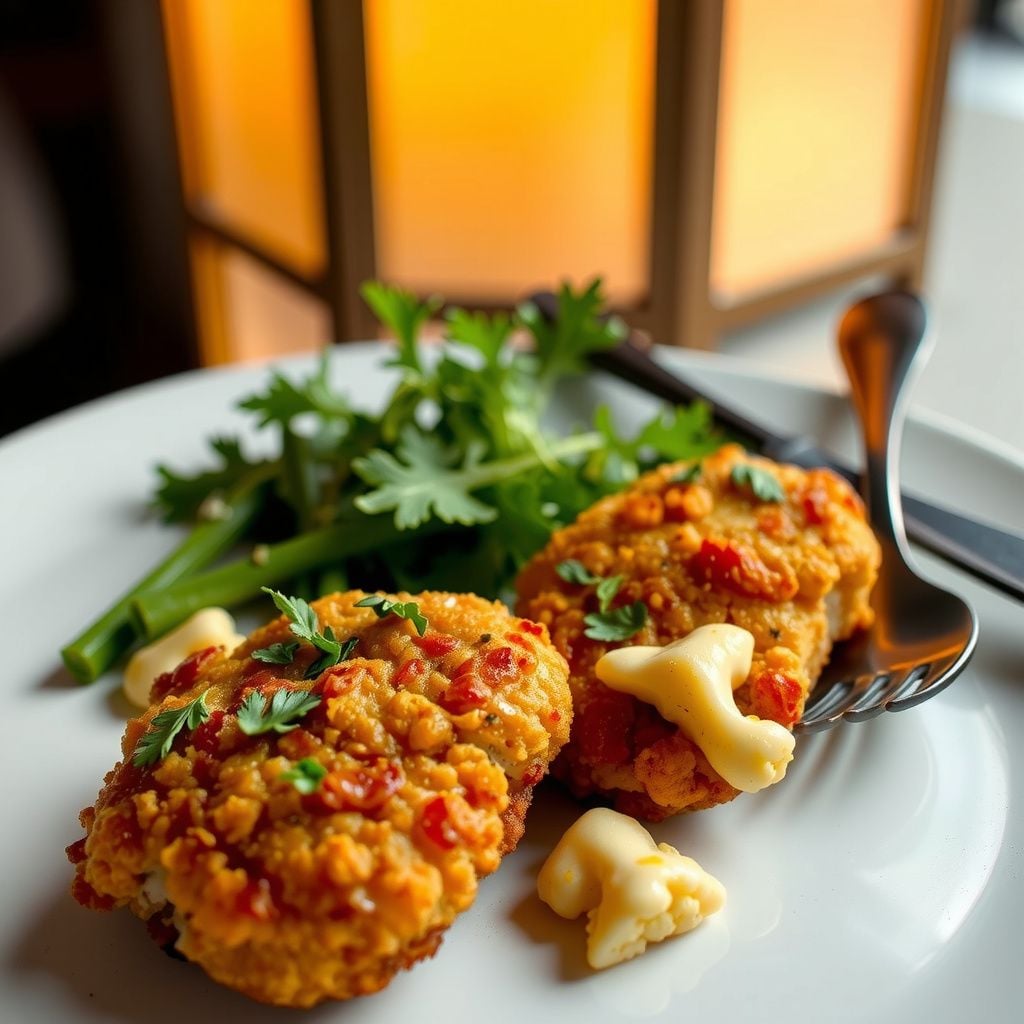
Golden Crispy Chicken & Cauliflower 'Bridge' Nuggets
40min
4
View Full Recipe →
Ready to simplify your meal planning?
Let OttoChef AI create personalized meal plans for your family — free to use, no credit card.