
Sensory Bridging: Helping Picky Eaters Try New Foods by Matching Textures
Learn how to use sensory bridging and texture matching to help picky eaters expand their palate and try new foods without the dinnertime struggle.
Sofia Rossi
Kitchen Editor
July 18, 2026
5 min read
7 views
Many parents face the daily challenge of a child who refuses to eat anything green, wet, or unfamiliar. The common response is to focus entirely on flavor—disguising vegetables in cheese sauce or sweetening bitter greens. However, pediatric nutritionists and sensory scientists have found that flavor is rarely the primary reason children reject new foods. The real culprit is almost always texture.
Texture processing happens instantly in the mouth. It is a tactile, physical sensation that triggers our evolutionary defense mechanisms. Fortunately, you can use a technique called sensory bridging to expand a picky eater's palate by matching the textures of foods they already love.
Understanding Sensory Bridging
Sensory bridging is the practice of introducing new foods by linking them to familiar ones through shared sensory characteristics, specifically texture. By keeping the mouthfeel constant, you reduce the sensory overload that occurs when a child tries something new.
When a child eats, their brain relies on predictive processing. If they expect a crisp, dry crunch and instead encounter a wet, mushy center, the brain flags this discrepancy as a potential danger. By aligning the physical sensation of a new food with an established favorite, you bypass this alarm system.
The Science of Neophobia
Food neophobia—the fear of trying new foods—is an evolutionary survival mechanism. Children are naturally wired to reject bitter or unfamiliar textures to protect themselves from potentially toxic substances in the wild.
The Four Primary Texture Profiles
To apply sensory bridging, you must first categorize foods by their texture profiles. Most picky eaters gravitate toward one or two specific categories:
1. The Crunchy and Crisp Profile
Children who prefer crunchy foods often enjoy the predictability of the sound and the physical feedback of chewing. Safe foods in this category typically include potato chips, crackers, pretzels, and dry cereal.
To bridge this profile, introduce dry, crispy alternatives. Try roasted chickpeas, freeze-dried fruits, or baked vegetable chips (like parsnip or sweet potato). Because these items mimic the structural integrity and acoustic feedback of crackers, the brain accepts them more readily.
2. The Smooth and Creamy Profile
This profile is characterized by uniform consistency without lumps. Safe foods include yogurt, pudding, mashed potatoes, and smooth peanut butter.
Bridging smooth foods requires maintaining absolute uniformity. Excellent bridge foods include hummus, blended lentil soups, avocado purees, or silken tofu blended into smoothies.
Avoid Snuck-In Foods
While pureeing vegetables into sauces works temporarily, hiding ingredients doesn't build long-term trust. Sensory bridging is about transparency, helping the child identify and accept the new food willingly so they can eat it in other contexts.
3. The Chewy and Meaty Profile
Children who prefer chewy textures often stick to chicken nuggets, hot dogs, or firm cheeses. They like foods that require some jaw effort but do not fall apart easily.
To bridge this texture, look to proteins and dense vegetables. Firm, pan-seared tofu cubes, roasted portobello mushroom strips, or edamame can mimic the chewiness of meat.
“Texture is often the silent gatekeeper of flavor. If a food feels wrong in the mouth, the brain registers it as unsafe before we even taste it.”
Dr. Sarah Jenkins, Pediatric NutritionistHow to Implement Sensory Bridging in Your Kitchen
To successfully introduce new foods using this method, follow a systematic approach rather than forcing sudden changes.
Identify the Safe Texture
Start by cataloging your child's favorite 'safe' foods. Note whether they gravitate toward crunchy, smooth, chewy, or soft textures. Look for patterns over a week of meals.
Find a Parallel Ingredient
Choose a new, nutrient-dense food that shares the exact same texture profile. For example, if they love crunchy potato chips, try oven-baked zucchini chips or crispy roasted seaweed sheets.
Introduce with Familiarity
Serve the new food alongside the safe food. Encourage them to compare the sounds or feelings of the crunch rather than focusing on the taste differences. Keep the pressure low.
Practical Tips for Success
When using sensory bridging, patience and consistency are your most valuable tools. Here are a few practical strategies to optimize the process:
- Involve them in the prep work: Children are more likely to try foods they have helped prepare. Let them wash the kale leaves before they are baked into chips, or let them press the button on the blender to make a smooth soup.
- Use seasoning strategically: Keep the seasoning of the bridge food similar to the safe food. If your child loves salty potato chips, ensure the roasted chickpeas have a similar salt level.
- Praise the effort, not the clean plate: Focus on the bravery of trying a new texture rather than how much of it they consume.
The Temperature Factor
Temperature changes how we perceive texture. A cold, raw carrot feels very different from a warm, roasted one. If your child dislikes a food, try changing its temperature or cooking method before giving up entirely.
By shifting your focus from flavor to texture, you can turn mealtime battles into a collaborative exploration of food. You are not trying to force a change in preference overnight; you are simply building bridges, one predictable bite at a time.
Try This Recipe
Now that you've learned about sensory bridging: helping picky eaters try new foods by matching textures, put your knowledge into practice with this recipe:
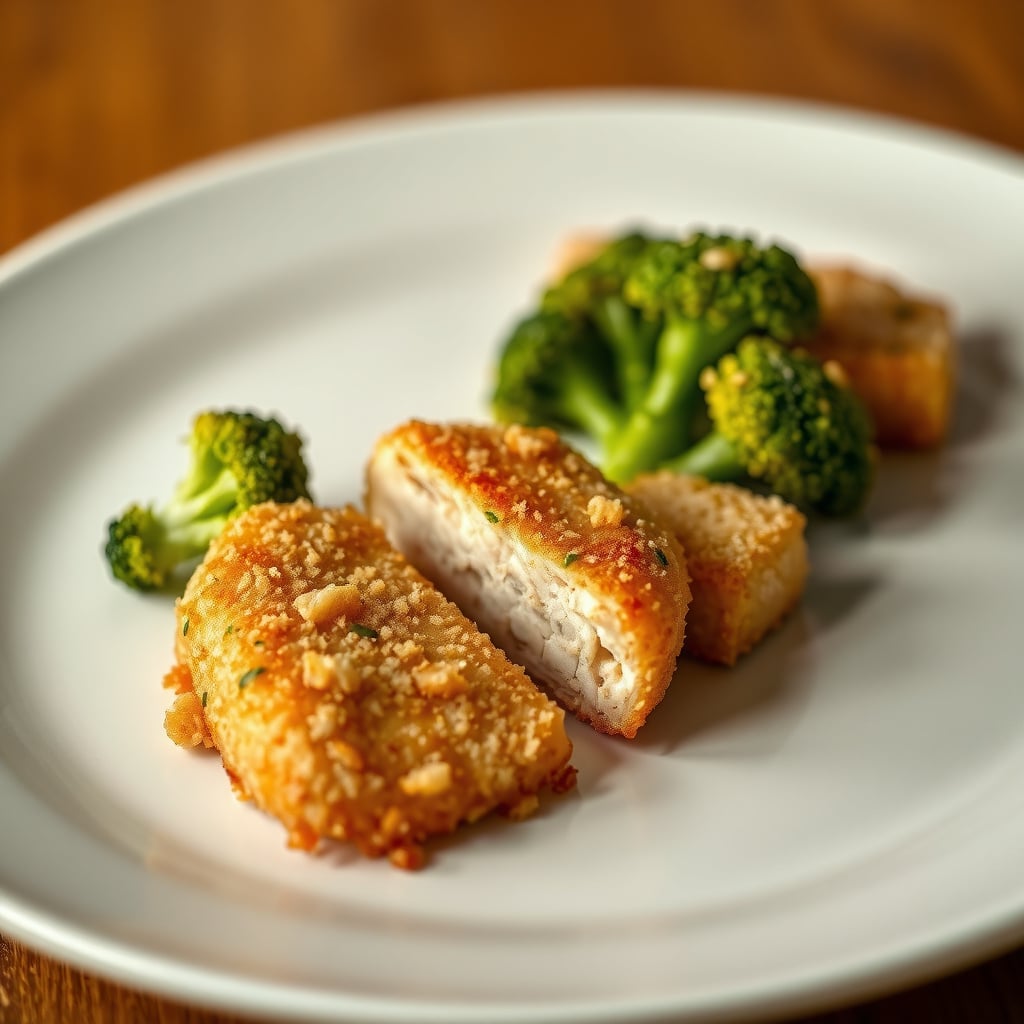
Crispy Panko-Crusted Chicken and Broccoli Trees
35min
4
View Full Recipe →
Ready to simplify your meal planning?
Let OttoChef AI create personalized meal plans for your family — free to use, no credit card.