
Scaling Recipes Up: The Math and Science of Batch Cooking
Master the art of scaling recipes for batch cooking. Learn why doubling isn't always simple, which ingredients need adjustment, and the science behind successful large-batch meals.
Sarah Mitchell
Test Kitchen Director
April 7, 2026
7 min read
27 views
You've found the perfect recipe for four servings, but you need to feed twelve people at Sunday dinner. Simple math, right? Just triple everything. Except when you do, the stew turns out watery, the cake doesn't rise properly, and somehow the seasoning tastes completely off.
Scaling recipes isn't just multiplication. It's a delicate balance of chemistry, physics, and culinary intuition. Understanding how ingredients interact at different volumes can transform you from someone who nervously doubles recipes to a confident batch cook who can scale anything successfully.
The Golden Rule: Not Everything Scales Linearly
Here's the fundamental truth about scaling recipes: ingredients don't all behave the same way when you increase quantities. Some scale perfectly (proteins, most vegetables, pasta), while others require careful adjustment (salt, spices, leavening agents, liquids, and fats).
When you double a recipe, you're not just making more food—you're changing the ratios of surface area to volume, altering cooking times, and shifting how flavors concentrate. A pot of soup for four has a different evaporation rate than a stockpot feeding twelve.
The Surface Area Problem
When you double a recipe in the same size pan, you increase depth but not surface area. This affects evaporation, browning, and cooking time. When scaling up, you often need larger or multiple cooking vessels, which changes everything.
The Safe Scalers: What Multiplies Easily
Certain ingredients scale beautifully with simple multiplication:
Proteins and vegetables scale linearly. Four chicken breasts become eight, two cups of diced onions become four. The only consideration here is cooking vessel size and whether you need to cook in batches to avoid crowding.
Pasta, rice, and grains follow straightforward math, though you'll need to adjust cooking liquid and pot size. The ratio of grain to liquid typically remains constant regardless of volume.
Thickeners like flour or cornstarch in sauces and gravies usually scale directly, though you might reduce slightly in very large batches where evaporation is less pronounced.
The Tricky Territory: Ingredients That Need Finesse
The Salt Trap
Salt is the most common scaling mistake. When you double a recipe, start with only 1.5x the salt, then taste and adjust. In large batches, salt concentrates differently as liquids reduce, and what seems under-seasoned early in cooking often becomes perfect by the end.
Seasoning and spices require the most careful attention. The relationship between volume and flavor intensity isn't linear. When scaling up:
- Start with 1.5x the original amount for recipes doubled
- Use 2-2.5x for recipes tripled
- Always taste and adjust near the end of cooking
- Remember that spices bloom and intensify over time in large batches
Liquids in braises and stews need reduction because larger pots have different evaporation rates. If you're tripling a braise, use only 2.5x the liquid initially. You can always add more, but you can't easily remove excess liquid without losing flavor.
"The bigger the batch, the more important it becomes to taste at multiple stages. What works at minute fifteen might need adjustment at minute forty-five."
Traditional culinary wisdomFats and oils often need less scaling than you'd expect. When sautéing aromatics for a large batch, you might only need 1.5x the oil for a doubled recipe because you're using a larger pan with more surface area, creating a thinner layer of oil that still coats ingredients effectively.
The Science of Leavening Agents
Baking presents unique scaling challenges because leavening agents (baking powder, baking soda, yeast) work through chemical reactions that depend on precise ratios.
Calculate Your True Scale Factor
Don't just think "I'm doubling this." Calculate the exact multiplier: if you're going from 6 muffins to 20 muffins, that's 3.33x, not simply "tripled."
Scale Leaveners Conservatively
For chemical leaveners, use 0.9x your scale factor. If you're making 3x a cake recipe, use only 2.7x the baking powder. Excess leavening creates large bubbles that collapse, resulting in dense, sunken baked goods.
Consider Pan Depth
Deeper batters in larger pans need slightly more leavening to overcome the weight. Shallower batters spread across multiple pans need less because there's less batter to lift.
Adjust Baking Time and Temperature
Larger, deeper items need lower temperatures and longer times. Multiple smaller items might cook faster than one large batch. Use visual cues and internal temperature, not just timing.
The Heat Transfer Problem
When you scale up, you're fighting physics. A doubled recipe in a larger pot has more thermal mass—it takes longer to heat up and longer to cool down. This affects everything from searing meat to reducing sauces.
For stovetop cooking: Larger volumes need longer preheating times and may require higher heat settings to maintain temperature when you add ingredients. That said, once at temperature, you often need to reduce heat to prevent scorching at the bottom while the top remains undercooked.
For oven cooking: More food in the oven reduces air circulation and can drop oven temperature significantly. You might need to increase temperature by 25°F or extend cooking time by 30-40% for large-batch baking.
The Batch Cook's Secret Weapon
Invest in an instant-read thermometer and a kitchen scale. Temperature tells you when something's done regardless of batch size, and weight measurements scale more accurately than volume measurements.
Practical Batch Cooking Strategies
Successful large-batch cooking isn't just about scaling recipes—it's about workflow and technique.
Cook in stages: When making a large batch of soup or stew, brown your proteins and aromatics in batches to ensure proper caramelization. Crowding a pan with triple the meat just steams it instead of searing it.
Build layers of flavor: In large batches, you have time to develop complexity. After browning meat, deglaze the pan between batches and add those flavorful bits to your final pot. Each layer adds depth that simple scaling can't achieve.
Embrace the pause: Large batches benefit from resting periods. Let a big pot of chili sit overnight—the flavors meld and marry in ways that small batches don't experience. Salt and spices distribute more evenly, and any harshness mellows.
The Mise en Place Multiplier
When scaling up, your prep time doesn't scale linearly either. Chopping vegetables for 20 servings takes less than 5x the time for 4 servings once you're in a rhythm. Set up an efficient prep station and work in batches.
When Not to Scale
Some recipes resist scaling and are better made in multiple standard batches:
Delicate emulsions like mayonnaise or hollandaise become unstable in very large quantities. Make two batches instead of one giant one.
Candy and caramel depend on precise temperature control and evaporation rates. Large batches are difficult to manage and can result in uneven cooking.
Fried foods need proper oil temperature, which drops dramatically when you add too much cold food at once. Cook in batches rather than trying to fry everything simultaneously.
The Scaling Success Checklist
Before you scale any recipe, ask yourself:
- Do I have the right size cooking vessel(s)?
- Will everything fit in my oven/on my stovetop with proper heat circulation?
- Have I adjusted salt and spices conservatively?
- Do I understand which ingredients need less than linear scaling?
- Am I prepared for longer cooking times?
- Do I have a plan for tasting and adjusting throughout the process?
The 2.5x Sweet Spot
Many experienced batch cooks find that 2.5x the original recipe is the sweet spot for scaling. It's large enough to be efficient but small enough to maintain control over seasoning, texture, and cooking times. Beyond that, consider making multiple 2.5x batches.
Scaling recipes successfully is part science, part experience, and part willingness to taste and adjust. The first time you scale a new recipe, take notes. Write down what worked, what needed adjustment, and what you'd change next time. Over time, you'll develop an intuition for how different types of dishes behave at larger volumes.
The beauty of mastering recipe scaling is the freedom it provides. You're no longer bound by the serving sizes in cookbooks. You can cook for crowds with confidence, prep meals for the week ahead, and make the most of your time in the kitchen. Start with forgiving recipes like soups and stews, build your confidence, and soon you'll be scaling anything that comes your way—with perfect results every time.
Try This Recipe
Now that you've learned about scaling recipes up: the math and science of batch cooking, put your knowledge into practice with this recipe:
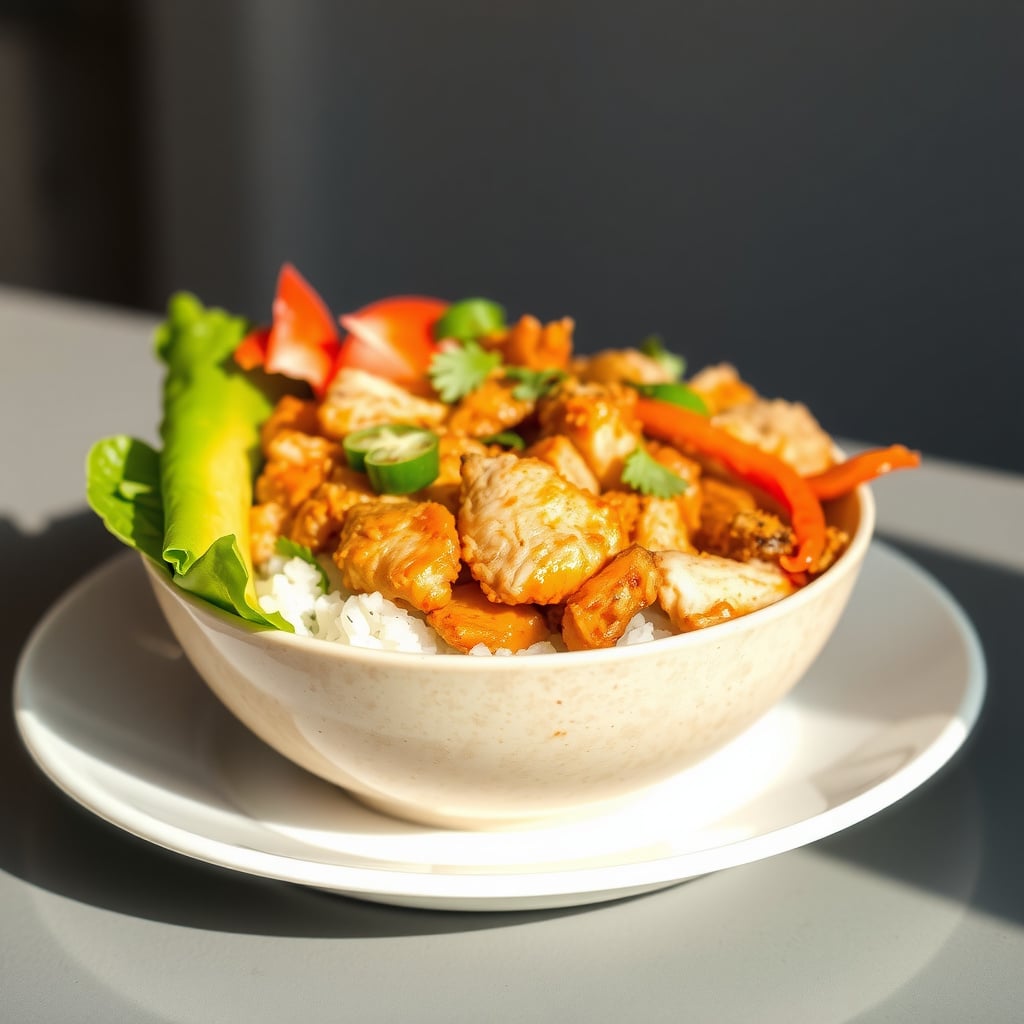
Master Batch Chicken Burrito Bowls
60min
12
View Full Recipe →
Ready to simplify your meal planning?
Let OttoChef AI create personalized meal plans for your family in seconds.