
Root-to-Stem Cooking: Stop Throwing Away Half Your Vegetables
Learn how to use every part of your vegetables—from carrot tops to broccoli stems. Save money, reduce waste, and unlock new flavors with root-to-stem cooking.
James Okonkwo
Food Writer
May 3, 2026
7 min read
6 views
Most home cooks toss away 30-40% of the vegetables they buy. Carrot tops go in the compost. Broccoli stems get trimmed and discarded. Beet greens? Straight to the bin. But here's what commercial kitchens have known for decades: those "scraps" are often the most flavorful, nutrient-dense parts of the plant.
Root-to-stem cooking isn't just an environmental trend—it's a practical approach that stretches your grocery budget while introducing new textures and flavors to your cooking. When you pay $3 for a bunch of beets, you're actually buying three ingredients: the roots, the stems, and the greens. Learning to use all three transforms how you think about value in the kitchen.
Start Simple
Don't try to revolutionize your cooking overnight. Pick one vegetable this week—maybe broccoli or carrots—and commit to using one part you normally discard. Build the habit gradually.
Understanding What's Actually Edible
The first barrier to root-to-stem cooking is knowledge. We've been conditioned to think certain parts are "waste" when they're perfectly edible. Here's the truth: if it's not moldy, slimy, or genuinely tough and woody, it probably has culinary potential.
Leafy tops from root vegetables (carrots, beets, radishes, turnips) are almost always edible. They might be slightly bitter or have a different texture than the vegetables we're used to, but that's flavor complexity, not a flaw. Stems from cruciferous vegetables (broccoli, cauliflower, kale) are sweeter and milder than the florets—they just need different preparation.
The Flavor Principle
Vegetable tops often concentrate the plant's essential oils and aromatic compounds. Carrot tops taste intensely of carrot. Fennel fronds are more delicate than the bulb but carry the same anise notes. You're not eating scraps—you're accessing concentrated flavor.
The key is matching the part to the right cooking method. Tender herb-like tops (carrot, fennel, celery) work raw in pestos and salads. Tougher greens (beet, turnip, radish) benefit from quick sautéing or braising. Dense stems (broccoli, cauliflower) need longer cooking or fine chopping to become tender.
Techniques for Different Plant Parts
Tender Tops and Fronds
Treat carrot tops, fennel fronds, and celery leaves like fresh herbs. Chop them finely and use in chimichurri, gremolata, or pesto. They're especially good in grain salads where their slight bitterness balances rich dressings. Blanch tougher tops (like turnip greens) for 30 seconds before using to mellow any harsh flavors.
Hearty Greens
Beet greens, radish tops, and kohlrabi leaves cook down like chard or spinach. Sauté with garlic and olive oil, braise with white beans, or add to soups in the last few minutes of cooking. The stems take longer than the leaves, so separate them and give stems a 2-3 minute head start.
Thick Stems and Stalks
Broccoli and cauliflower stems are criminally underused. Peel the tough outer layer with a vegetable peeler to reveal the tender, sweet core. Slice thinly for slaws, dice for stir-fries, or cut into planks and roast. They're milder than the florets and add excellent crunch.
Allium Scraps
The dark green tops of leeks and scallions are too fibrous to eat raw but transform into flavor gold when cooked. Simmer them in stock, use as a bed for roasting fish, or char them for depth in sauces. The outer layers of onions, shallots, and garlic make your stock darker and more complex.
"When you stop seeing vegetables as having 'good parts' and 'waste parts,' you start seeing ingredients. Each part has its purpose—you just need to know what it does best."
Chef Dan BarberThe Economics of Whole-Vegetable Cooking
Let's do the math on a bunch of beets. You pay $4 for a pound of beets with greens attached. If you only use the roots, you're paying about $6 per pound of actual food (after trimming). But use the greens as you would chard, and suddenly you've got a pound of roots plus half a pound of greens—dropping your cost to $2.67 per pound.
This compounds across your weekly shopping. A head of broccoli yields an extra half-pound of usable stems. Carrot tops from a 2-pound bag become a full batch of pesto. The fennel fronds you'd normally discard make enough herb garnish for a week of meals.
Quality Matters More
Root-to-stem cooking works best with fresh, organic vegetables. Conventional produce may have pesticide residue concentrated in the leaves. If you're eating the whole plant, invest in quality where you can. At minimum, wash everything thoroughly.
Storage Strategies for Extended Parts
The challenge with root-to-stem cooking is timing. Greens wilt faster than roots, and you might not want to use everything the day you buy it. Here's how to extend the life of different parts:
Separate greens from roots immediately when you get home. The roots are trying to feed the greens, which accelerates deterioration of both. Store greens wrapped in damp paper towels in a plastic bag—they'll keep 3-5 days.
Hearty tops like carrot and beet greens freeze well after blanching. Drop them in boiling water for 45 seconds, shock in ice water, squeeze dry, and freeze in portions. They'll keep for months and work perfectly in cooked applications.
Tender herbs and fronds can be preserved in oil. Chop finely, pack into ice cube trays, cover with olive oil, and freeze. Pop out a cube whenever you need a flavor boost for sautés or soups.
The Stock Bag Method
Keep a gallon freezer bag in your freezer for vegetable scraps. Add onion skins, carrot peels, celery tops, herb stems, mushroom stems, and leek greens as you cook. When it's full, simmer everything for 2 hours to make rich vegetable stock. This captures value from parts that truly aren't pleasant to eat directly.
Flavor Profiles to Expect
Understanding how different parts taste helps you use them confidently. Carrot tops are intensely carrot-flavored with a parsley-like freshness and slight bitterness. They're excellent in Middle Eastern and Mediterranean dishes where bitter greens are traditional.
Beet greens taste earthy and mineral-rich, similar to chard but with a subtle beet sweetness. The stems are the best part—crisp, colorful, and slightly tart. Radish tops are peppery and assertive, perfect for cutting through rich dishes or balancing fatty proteins.
Broccoli stems are sweet and mild, almost like kohlrabi or the heart of cabbage. They're more versatile than the florets because they don't have that strong sulfurous quality. Cauliflower stems are similar but even sweeter.
Building Confidence Through Practice
The shift to root-to-stem cooking requires retraining your instincts. Start by committing to one new-to-you vegetable part each week. Week one: make pesto from carrot tops. Week two: sauté beet greens. Week three: roast broccoli stems alongside the florets.
Pay attention to what you actually enjoy. Not every part of every vegetable will become a favorite, and that's fine. The goal isn't perfection—it's expanding your repertoire and reducing waste where it makes sense for your cooking style.
Cultural Context
Root-to-stem cooking isn't new—it's how most of the world has always cooked. Italian cooks use broccoli rabe (essentially broccoli greens and stems). Asian cuisines feature radish greens, pea shoots, and water spinach stems. Caribbean cooking incorporates callaloo (amaranth greens). We're not inventing techniques; we're reconnecting with traditional foodways.
The environmental impact matters, but the real revelation is culinary. When you use the whole vegetable, you discover new textures, flavors, and possibilities. Your cooking becomes more diverse, your grocery budget stretches further, and you develop a deeper understanding of ingredients.
Start this week. Buy one bunch of beets, carrots, or turnips with the greens still attached. Use the roots as you normally would, but this time, keep the greens. Sauté them with garlic, add them to soup, or blend them into pesto. You've just transformed one ingredient into two, and that's the beginning of thinking like a more resourceful cook.
Try This Recipe
Now that you've learned about root-to-stem cooking: using the whole vegetable, put your knowledge into practice with this recipe:
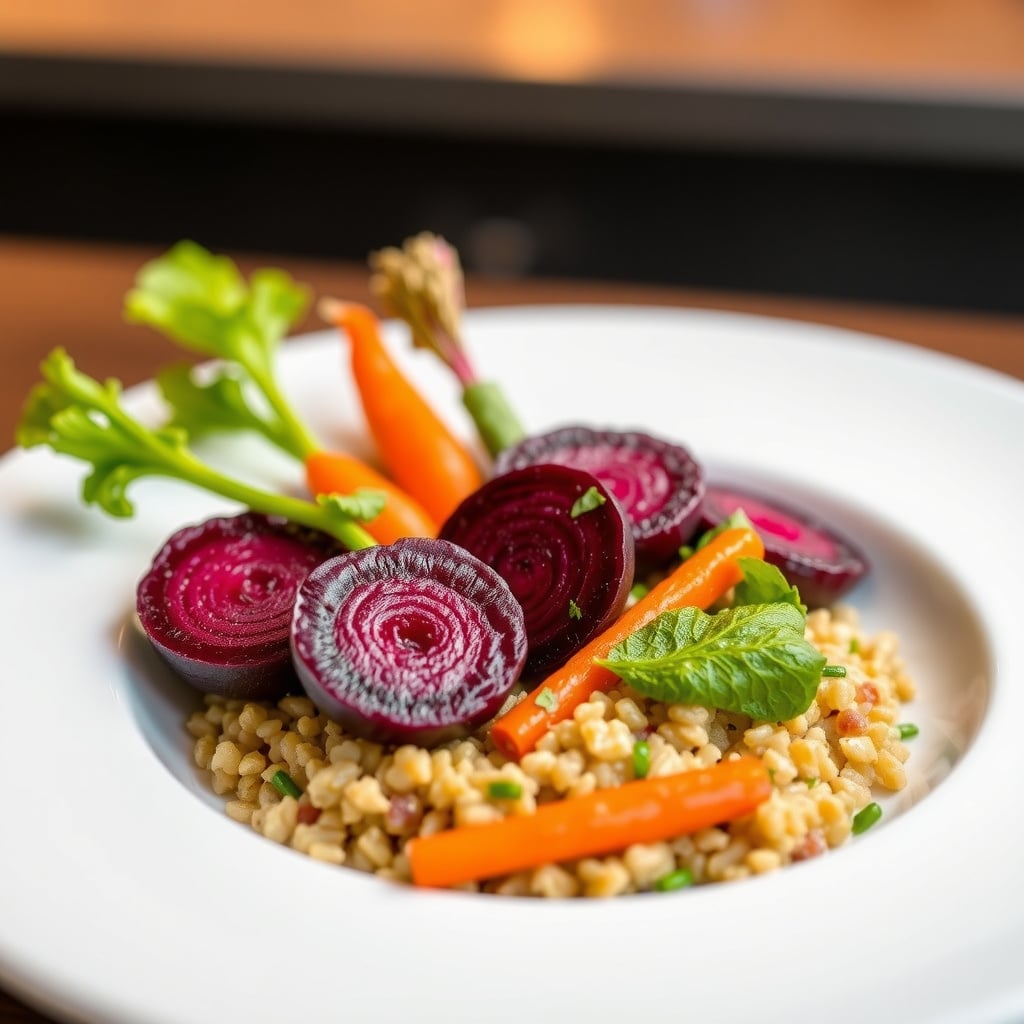
Root-to-Stem Beet and Farro Bowl with Carrot Top Pesto
70min
4
View Full Recipe →
Ready to simplify your meal planning?
Let OttoChef AI create personalized meal plans for your family in seconds.